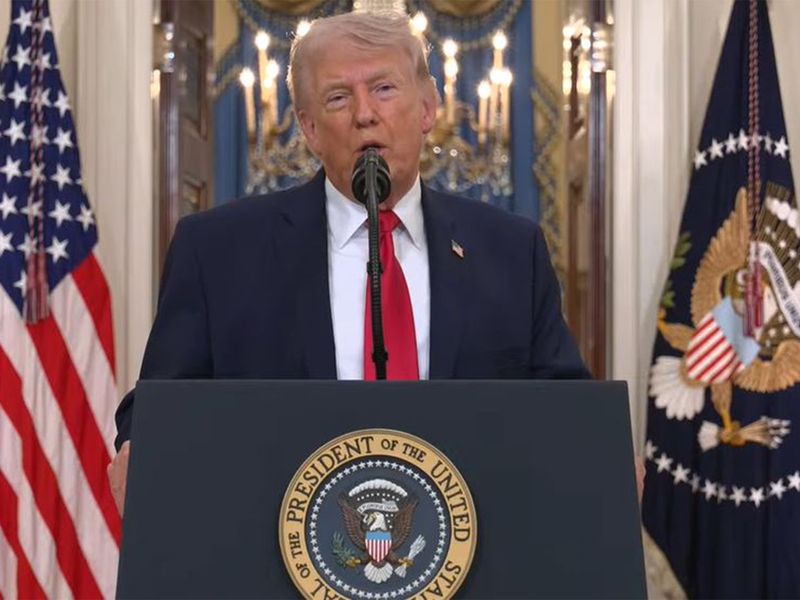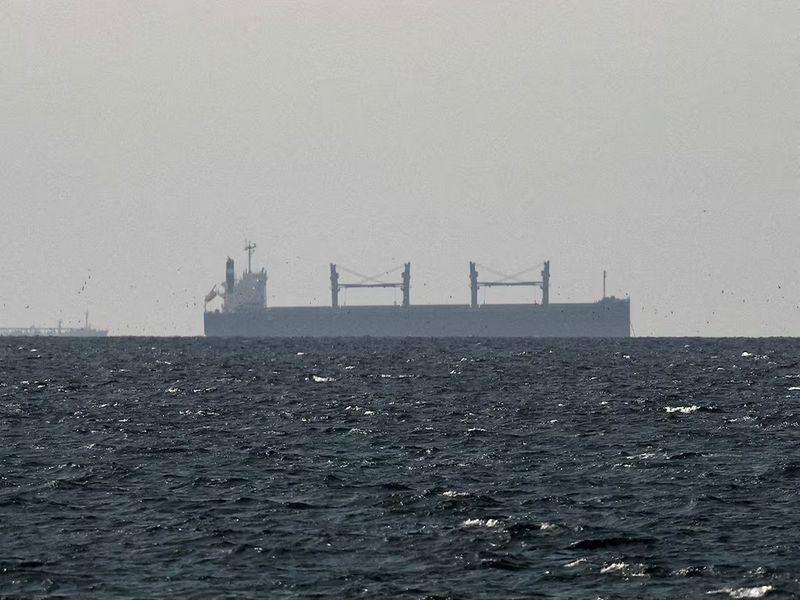

London [UK], April 3 (ANI): The United Kingdom has convened foreign ministers from 40 nations to deliberate on strategies for reopening the Strait of Hormuz, a crucial maritime artery currently obstructed by the ongoing conflict involving the United States, Israel, and Iran. According to Al Jazeera, the high-level meeting addressed the “vital shipping route” that has been severely impacted by the regional war.During the virtual summit on Thursday, UK Foreign Secretary Yvette Cooper criticised what she termed as Iran’s “recklessness” in blockading the passage, asserting that the disruption was “hitting our global economic security.” Cooper’s opening remarks, which were broadcast to the media before the session transitioned to a closed-door format, accused Tehran of using the waterway as leverage. “We have seen Iran hijack an international shipping route to hold the global economy hostage,” she stated.The impact of the blockade has been profound, as retaliatory strikes on merchant vessels and the ongoing “threat of more” have effectively “halted nearly all traffic” through the strait. Al Jazeera noted that this closure of the path connecting the Gulf to the world’s oceans has triggered a sharp rise in “petroleum prices” and interrupted the global “flow of oil.”Notably, the United States was absent from the proceedings. This follows declarations from US President Donald Trump that “securing the waterway” is not the responsibility of his administration. The US President has also directed criticism toward European allies for their lack of “support for the war” and has frequently “renewed his threats” regarding a potential withdrawal from NATO.Despite the American absence, a diverse group of nations, including France, Germany, Italy, Canada, Japan, and the United Arab Emirates, participated in the summit. These countries issued a joint statement demanding an end to attempts to “block the strait” and committed to “contribute to appropriate efforts to ensure safe passage” for international shipping.Al Jazeera reported that while the coalition is broad, including Baltic, Scandinavian, and Middle Eastern nations like Bahrain and the UAE, significant questions remain regarding “naval capacity” and what these nations can practically achieve. There appears to be little appetite for a military solution to “open the strait by force” while active hostilities continue, especially given Iran’s ability to “target vessels” using “ballistic missiles,” drones, and “attack craft.”British Prime Minister Keir Starmer has reportedly been “very explicit” about pursuing “non-military solutions,” making it clear he has “no interest in getting involved in this war.” Following this week’s summit, military planners from the British Ministry of Defence are scheduled to meet with international partners next week to discuss long-term “security for shipping” once the conflict concludes.Starmer previously acknowledged that “resuming shipping” would be a complex challenge requiring a “united front of military strength and diplomatic activity.” Al Jazeera highlighted that this coalition serves, in part, as a signal to the Trump administration that Europe is prepared to “do more for its own security” amidst concerns over the future of the NATO alliance.Adding to the diplomatic caution, French President Emmanuel Macron dismissed the idea of a military operation as “unrealistic.” He argued that such a move would “take forever” and leave vessels vulnerable to “coastal threats” from the Islamic Revolutionary Guard Corps. Macron has instead proposed that “talking directly to Iran” remains the most viable path to reopening the waterway.According to data from Lloyd’s List Intelligence, the human and economic cost has been high, with 23 “direct attacks on commercial vessels” recorded since the war was “ignited on February 28,” resulting in the deaths of 11 “crew members.” For its part, Tehran maintains that “non-hostile” ships are permitted transit, claiming the “key waterway” is restricted only to “vessels of enemy countries” and their supporters. (ANI)(This content is sourced from a syndicated feed and is published as received. The Tribune assumes no responsibility or liability for its accuracy, completeness, or content.)