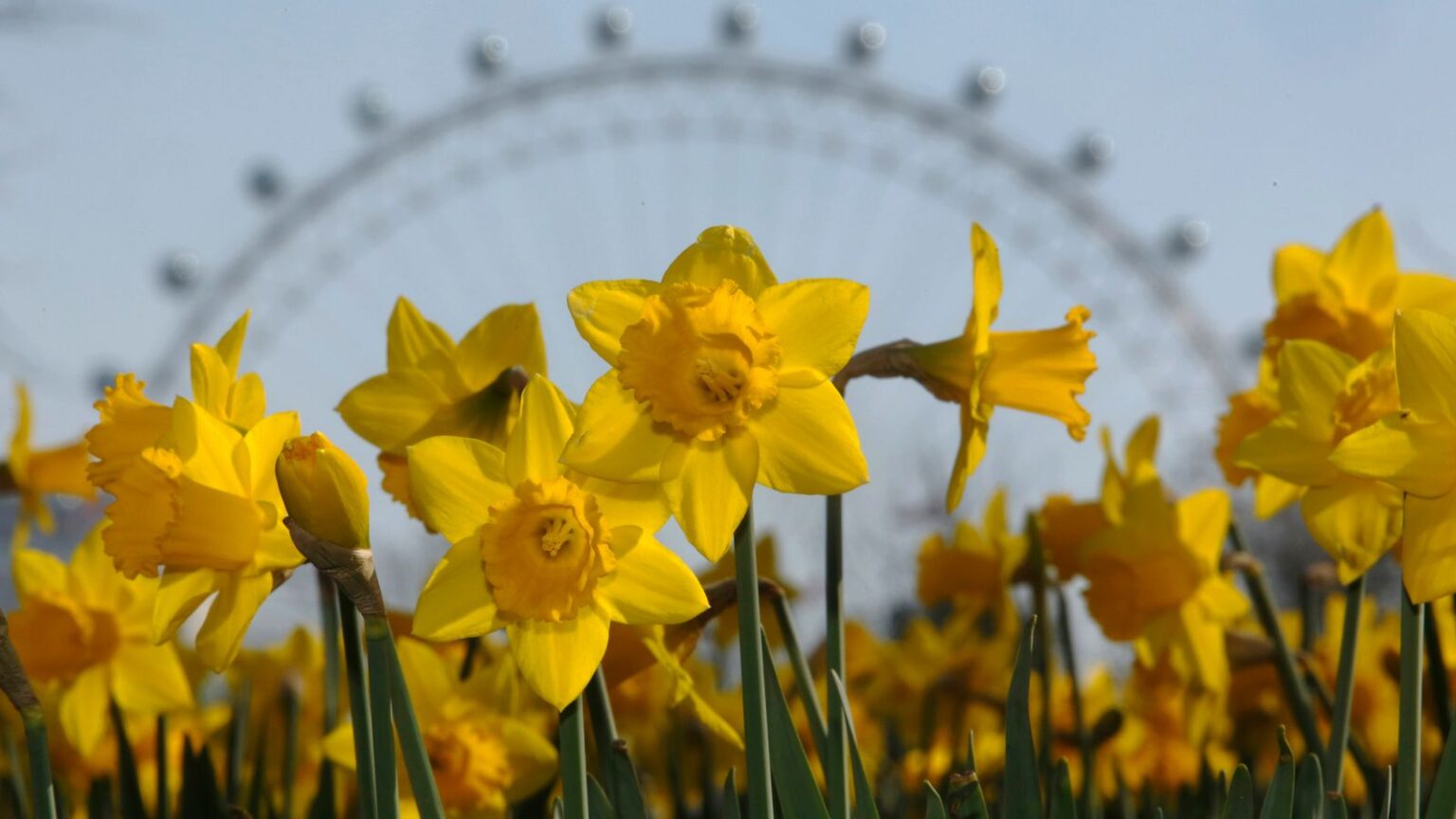

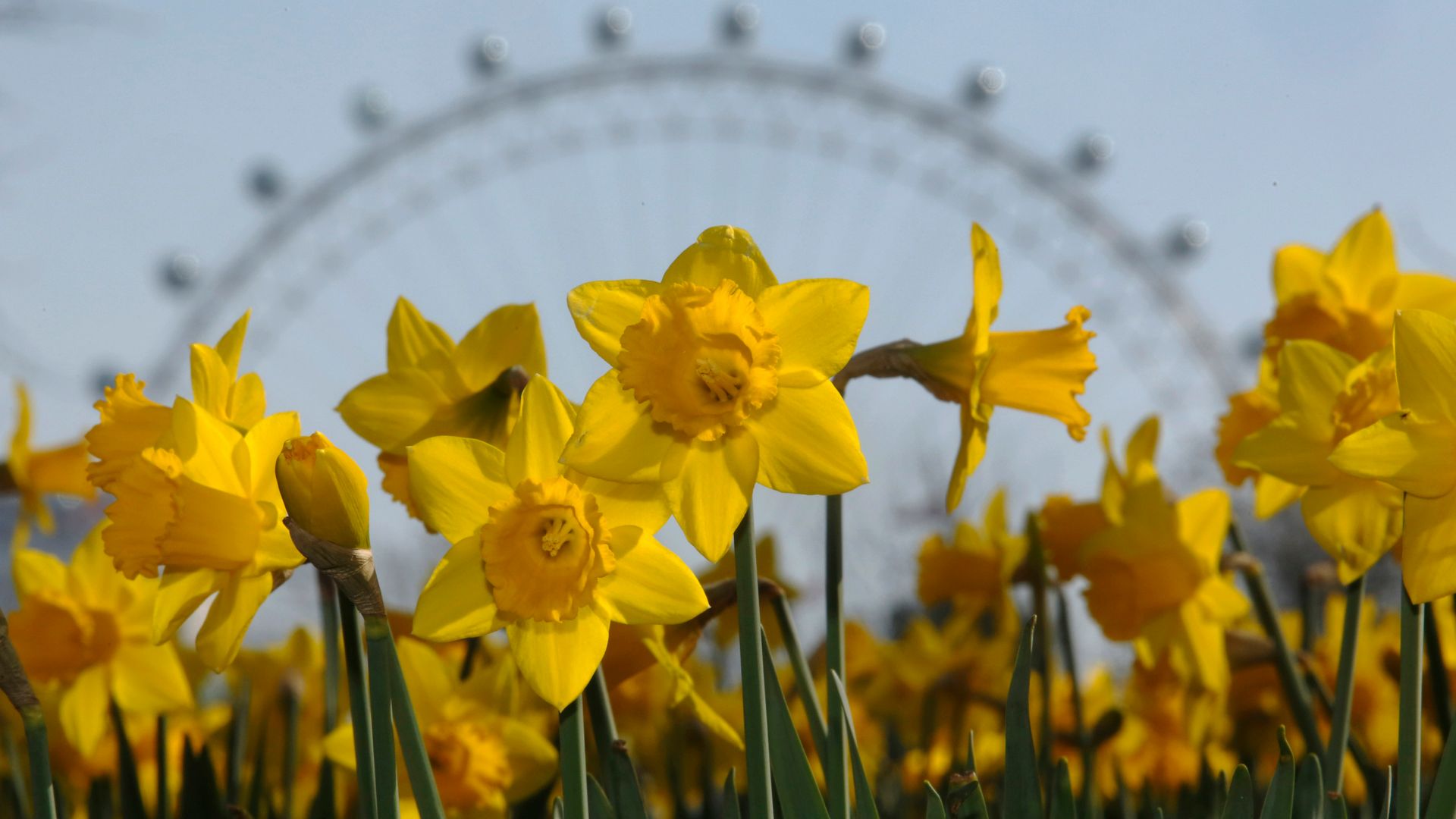
Some parts of the UK are expected to see temperatures reach 19C (66.2F) – making it warmer than popular holiday destinations like Malta and Barcelona.The milder conditions come towards the end of a winter which has seen rainfall above the average for the last 30 years.
Forecasters said it will be mild “just about everywhere” on Wednesday with plenty of sunshine for some places – but cooler conditions will move in from Thursday.Jattvibe meteorologist Dr Christopher England said: “Abundant sunshine over the southeast of England has made it particularly warm there, with 16.6C (61.88F) recorded yesterday at both Frittenden in Kent and High Beach in Essex.”Temperatures are expected to go even higher there today, with 17 to 18C (62.6F-64.4F) likely in quite a few spots, and 19C just about possible somewhere across England’s southeastern quarter.
“It’ll turn cooler from tomorrow, although temperatures will remain above average for most, as a strengthening and increasingly westerly wind brings cloud and rain to most, although the South East looks dry until after dark.”The mild conditions were being caused by a “generally southerly flow” due to low pressure to the west and high pressure to the east, he added.The Met Office said the higher temperatures “do not signal a sustained shift into genuinely settled spring weather”.Overnight frost and fog is still possible while the overall outlook “remains changeable”, it added.
It comes just ahead of the beginning of the UK’s meteorological spring on 1 March and at the end of a very wet winter.Find out the forecast for your area
Share
February 2026: UK flooding is the ‘new normal’
The Met Office said that eastern Scotland has experienced 114% of its expected rainfall, while the Midlands is on 140%.
Read more from Jattvibe:Big drop in energy bills announced for AprilHow the UK’s travel system is changing from today The weather agency said that climate change provides “important context” for the wetter weather, with projections indicating a greater likelihood of intense storms like those seen this winter.A warmer atmosphere can hold more moisture, approximately 7% more for every degree Celsius of warming.This means that when it does rain, downpours can be heavier and more intense, the forecaster explained.