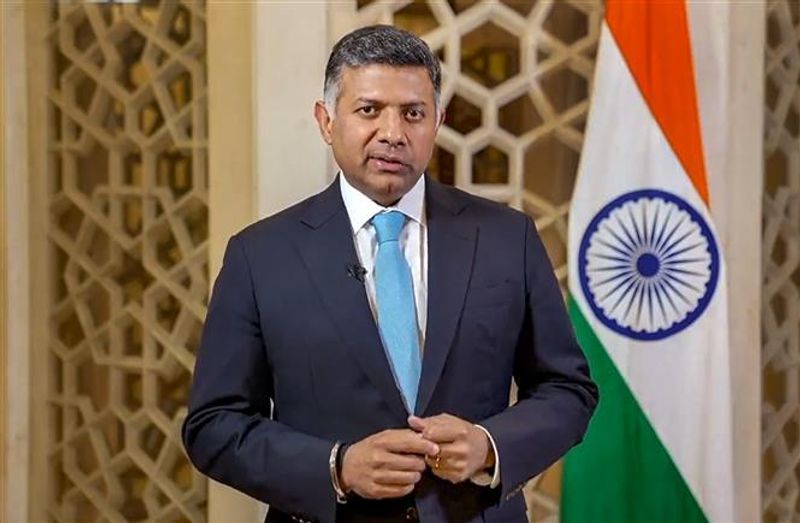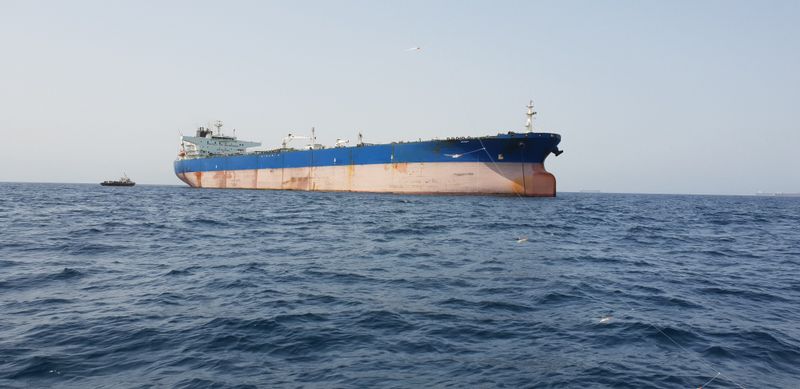

India has issued a strong condemnation of attacks on commercial vessels and civilian maritime infrastructure, calling them “unacceptable” and warning of serious consequences for global trade, energy security and humanitarian supply chains.Addressing the 36th extraordinary session of the International Maritime Organization Council, India’s High Commissioner to the UK, Vikram Doraiswami, underscored the growing risks to seafarers amid the ongoing conflict in West Asia, even as he called for restraint and de-escalation through dialogue.“Targeting of commercial shipping and attacks on civilian maritime infrastructure is unacceptable,” Doraiswami said, noting that such incidents have already led to loss of lives, injuries, and heightened insecurity for maritime personnel.India also revealed that three Indian seafarers were among the seven fatalities cited by the IMO Secretary-General, with four others injured and one still missing, highlighting the human cost of the conflict unfolding in key shipping lanes.As one of the world’s top seafarer-supplying nations — accounting for nearly 13 per cent of the global workforce — India said it remained “deeply concerned” about the safety and welfare of maritime personnel.The scale of the impact is significant, with an estimated 23,000 Indian seafarers affected by the ongoing crisis. At present, 24 Indian-flagged vessels are operating in the Persian Gulf region, including 22 vessels west of the Strait of Hormuz carrying 611 Indian crew members and two vessels east of the Strait with 47 seafarers on board.“All vessels and crew are being closely monitored for their safety and security,” Doraiswami said.Emphasising the strategic stakes, India warned that any disruption in critical maritime chokepoints such as the Strait of Hormuz would have far-reaching implications.“India’s energy, security and trade are critically dependent on the safe and unimpeded passage through the Strait of Hormuz,” he said, cautioning that any obstruction or closure would directly impact not only India’s economy but also global energy flows and humanitarian supply chains.The envoy also flagged the growing environmental risks, pointing to the “grave risk of marine pollution” arising from attacks on commercial vessels in the region.Detailing India’s response, Doraiswami said the government has activated robust mechanisms, including a 24×7 helpline for seafarers of all nationalities, a quick response team by the Director General of Shipping, and a dedicated control room set up by the Ministry of External Affairs to assist affected crew and their families.India has further stepped up maritime monitoring and preparedness, including enhanced information-sharing frameworks. In this context, Doraiswami highlighted the importance of strengthening global maritime information networks, including the role of the Information Fusion Centre–Indian Ocean Region.Reiterating India’s position, he stressed that freedom of navigation in international waters must be upheld in accordance with international law.“The safety and welfare of seafarers, the security of international shipping, and the energy and humanitarian supply chains that sustain nations must remain paramount,” he said.