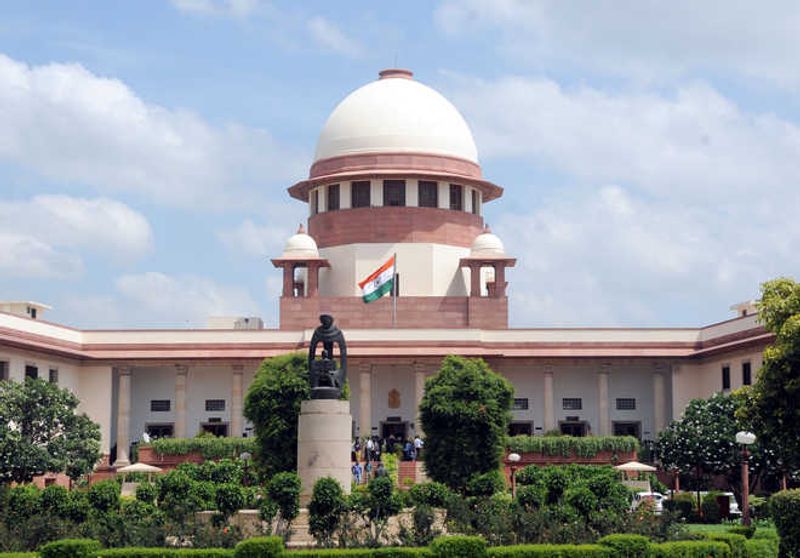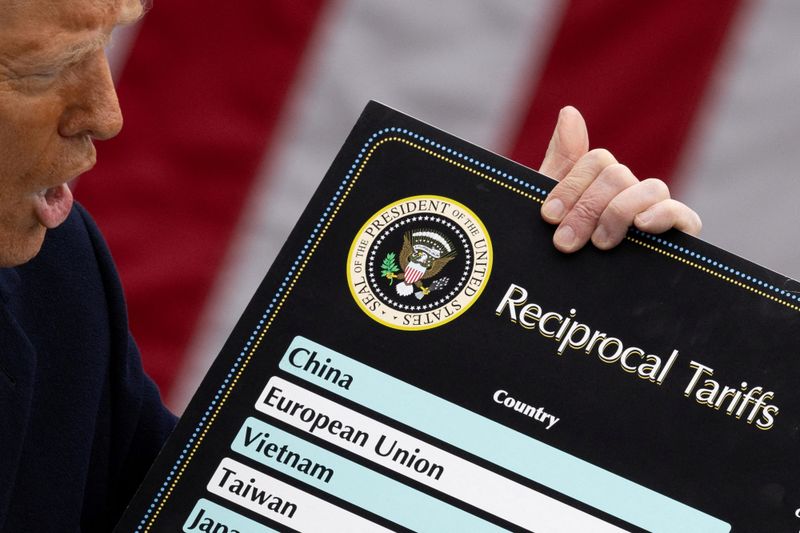
As the US Supreme Court on Friday struck down President Donald Trump’s sweeping tariffs, Justice Brett Kavanaugh referred to the tariffs imposed on India for Russian oil purchases in his dissenting opinion.Trump had imposed 25 per cent reciprocal tariffs on India and an additional 25 per cent punitive tariff for Delhi’s purchases of Russian oil.While he slashed the reciprocal tariffs to 18 per cent, the 25 per cent levies imposed for Russian oil purchases were removed, with Trump noting the commitment by India to stop directly or indirectly importing energy from Moscow and purchasing American energy products.In a 6-3 vote on Friday, the judges found that the International Emergency Economic Powers Act (IEEPA) does not authorise the imposition of duties.Justices Clarence Thomas, Samuel A Alito Jr and Kavanaugh dissented in the court’s decision.”As with tariffs on foreign imports historically, the IEEPA tariffs on foreign imports at issue in this case implicate foreign affairs. According to the Government, the President has leveraged the IEEPA tariffs into trade deals with major trading partners, including China, the United Kingdom, and Japan, among other countries.”The Government says that the tariffs have helped make certain foreign markets more accessible to American businesses and have contributed to trade deals with foreign nations worth trillions of dollars,” Kavanaugh wrote in his opinion in the case.”Moreover, consistent with history and the traditional uses of tariffs, the President ‘is exercising his IEEPA authority in connection with highly sensitive negotiations he is conducting to end the conflict between the Russian Federation and Ukraine’,” he wrote.”To that end, on August 6, 2025, the President imposed tariffs on India for “directly or indirectly importing Russian Federation oil”… And on February 6, 2026, the President reduced the tariffs on India because, according to the Government, India had “committed to stop directly or indirectly importing Russian Federation oil.””To be sure, most foreign affairs and national security actions — whether war, international agreements, trade deals, or tariffs — lead to significant domestic ramifications within the United States. And this case is no exception. Nonetheless, in the foreign affairs field, courts interpret statutes as written, with appropriate respect to Congress and the President and without a major questions doctrine weight on the scale against the President,” he wrote.