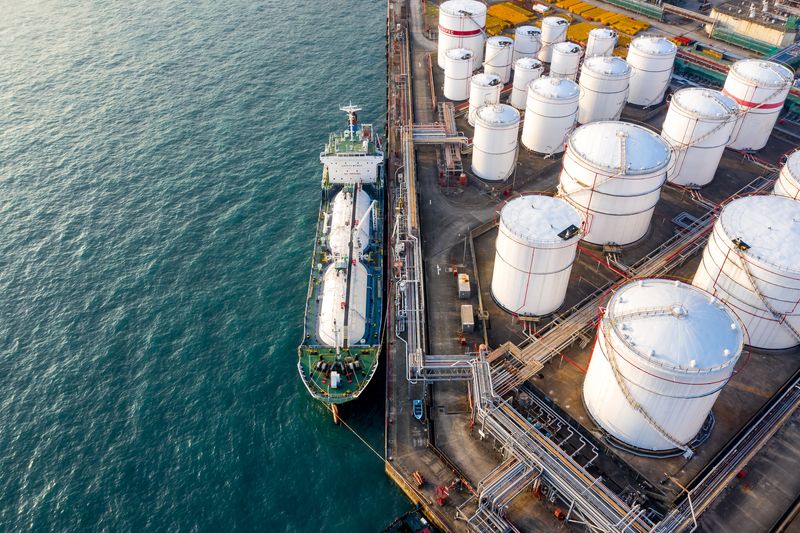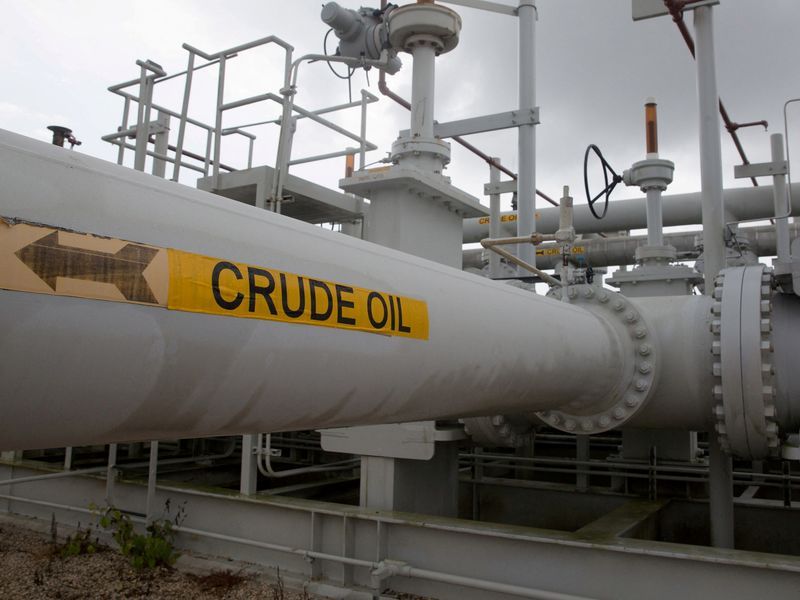

Tehran [Iran], April 1 (ANI): Iranian Parliament Speaker Mohammad Baqer Qalibaf has hit out at Washington’s foreign policy after a CNN report highlighted that American families are skipping meals to manage the “skyrocketing gas prices” triggered by the US-Israeli war on Iran.According to a report by Iranian state media Press TV, Qalibaf drew attention to the domestic economic strain in the United States, citing social media to express his views.”Just read about Sarah and others in the U.S. skipping meals because gas prices keep climbing,” Qalibaf wrote, adding that the situation is “sad, but this is what happens when your leaders put others ahead of hard-working and ordinary Americans. It’s not America First anymore… it’s Israel First.”The Iranian Speaker’s comments were in direct reference to a CNN report detailing the hardships of citizens like Sarah Lawhun, a 31-year-old environmental scientist from Albany, New York.Lawhun has reportedly been skipping her midday meal at work to mitigate the financial impact of her 50-mile round-trip daily commute.Iranian state media Press TV noted that Lawhun has spent nearly USD 70 more at the pump this month alone.”I’m trying to offset the increase by skipping lunch at work, saving about USD 30 a week in homemade sandwiches and salads but leaving her feeling tired and hungry,” the CNN report stated, further explaining that she has been forced to reduce her intake of fresh meats and vegetables.The broader economic implications of the conflict have seen hundreds of other Americans contact CNN to describe similar struggles, including cutting back on essentials and items that help fuel the economy.According to data from The Conference Board cited by Press TV, US consumers’ inflation expectations surged in March to levels last seen around seven months ago, driven by “rocketing energy prices” due to the war on Iran.The Conference Board reported that “consumers’ average and median 12-month inflation expectations surged in March to levels last seen in August 2025”, a period when many households were already grappling with significant tariff uncertainty.The data further revealed that the proportion of consumers who anticipate rising interest rates over the next 12 months has skyrocketed from 34.9 per cent to 42.4 per cent.The current price surge stems from what has been described as a US-Israeli war of aggression against Iran, which commenced on February 28.In response to the hostilities, Tehran has effectively restricted access to the Strait of Hormuz, a vital maritime chokepoint.Press TV highlighted that with approximately 20 per cent of the world’s oil supply normally transiting this route, the restrictions have caused international oil prices to jump sharply as the fighting enters its fifth week.The disruption continues to weigh heavily on global energy markets and the cost of living for ordinary Americans. (ANI)(This content is sourced from a syndicated feed and is published as received. The Tribune assumes no responsibility or liability for its accuracy, completeness, or content.)