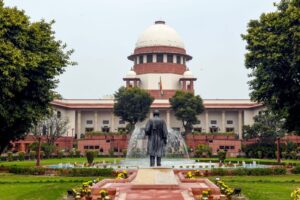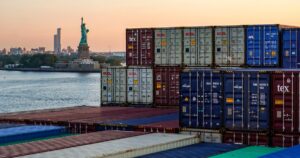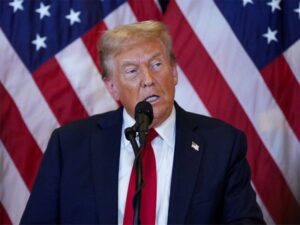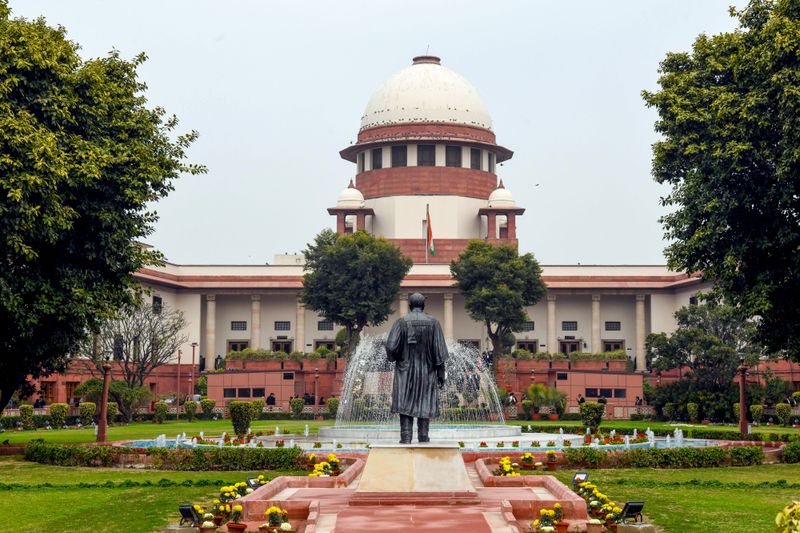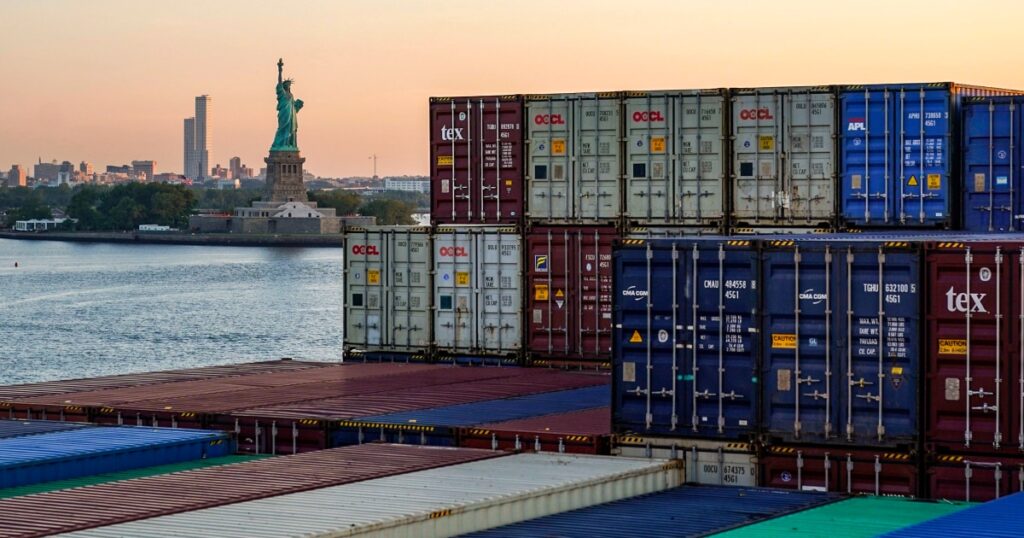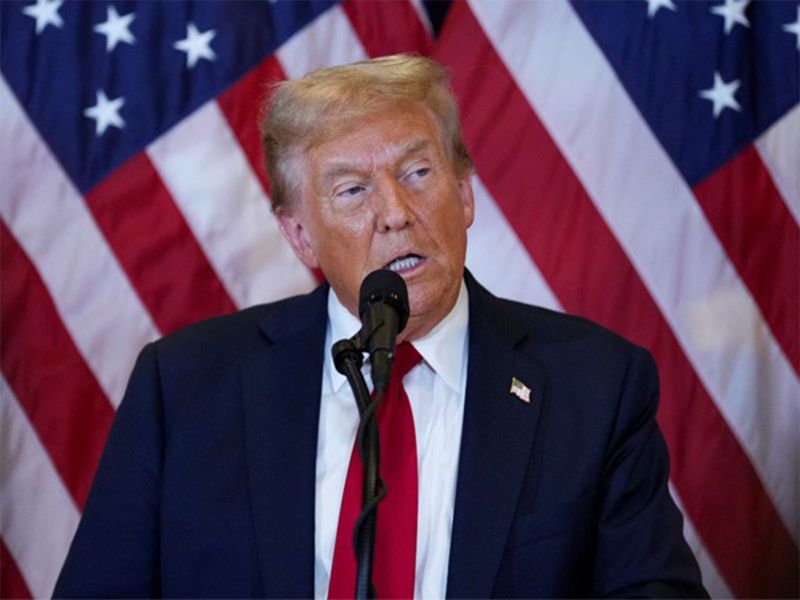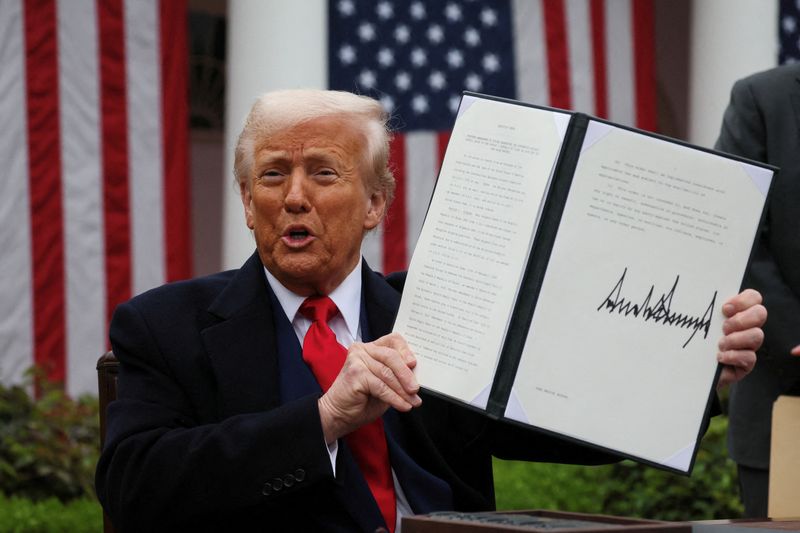
In a major setback to the protectionist trade policy of President Donald Trump, the US Supreme Court on Friday struck down sweeping global tariffs, holding that the administration exceeded its statutory authority by invoking emergency economic powers.The court held that the White House had improperly relied on the International Emergency Economic Powers Act (IEEPA) to impose across-the-board duties on multiple trading partners, observing that the law was intended to address “extraordinary external threats” and not to restructure global trade flows.The tariffs, which were introduced to reduce trade deficits and incentivise domestic manufacturing, covered imports ranging from electronics and machinery to consumer and industrial goods. They had been challenged by industry groups, importers and US states, which argued the measures amounted to taxation without Congressional approval.The ruling carries immediate relevance for India, which had recently concluded an interim trade arrangement with Washington aimed at stabilising market access and supply chains. The legal basis for the reciprocal tariffs of 18 per cent now stands invalidated, removing uncertainty surrounding duties that had affected Indian exports during negotiations.Writing for the 6–3 majority, Chief Justice John Roberts held that IEEPA authorises the President to regulate transactions and foreign property but not to impose import duties, which constitutionally fall within Congress’ taxing power.Allowing tariffs under an emergency statute, the court said, would effectively transfer Congress’ control over trade and taxation to the executive branch. The President, therefore, exceeded statutory authority, it held.Justices Sonia Sotomayor, Elena Kagan and Ketanji Brown Jackson joined the majority, emphasising the case could be resolved purely on statutory interpretation and cautioning against expanding emergency economic laws into permanent policymaking tools.Justice Amy Coney Barrett agreed with the outcome, writing separately that tariffs were legally taxes on imports, distinct from the regulation of economic transactions. Reading the IEEPA to permit tariffs, she said, would allow any President to impose sweeping duties merely by declaring an emergency — an authority Congress never granted.Justice Brett Kavanaugh, joined by Samuel Alito and Clarence Thomas, dissented, arguing the President acted within authority because regulating imports historically included adjusting duties and courts should defer to the executive in foreign economic crises.Kavanaugh noted the tariffs had influenced negotiations with several countries, including India, and warned the ruling could complicate refunds of collected duties and create uncertainty for existing trade arrangements. He maintained the measures were lawful under the statute’s text, history and precedent.The decision significantly limits the use of emergency economic powers for broad trade action and reaffirms that tariff policy primarily rests with Congress rather than unilateral executive authority.