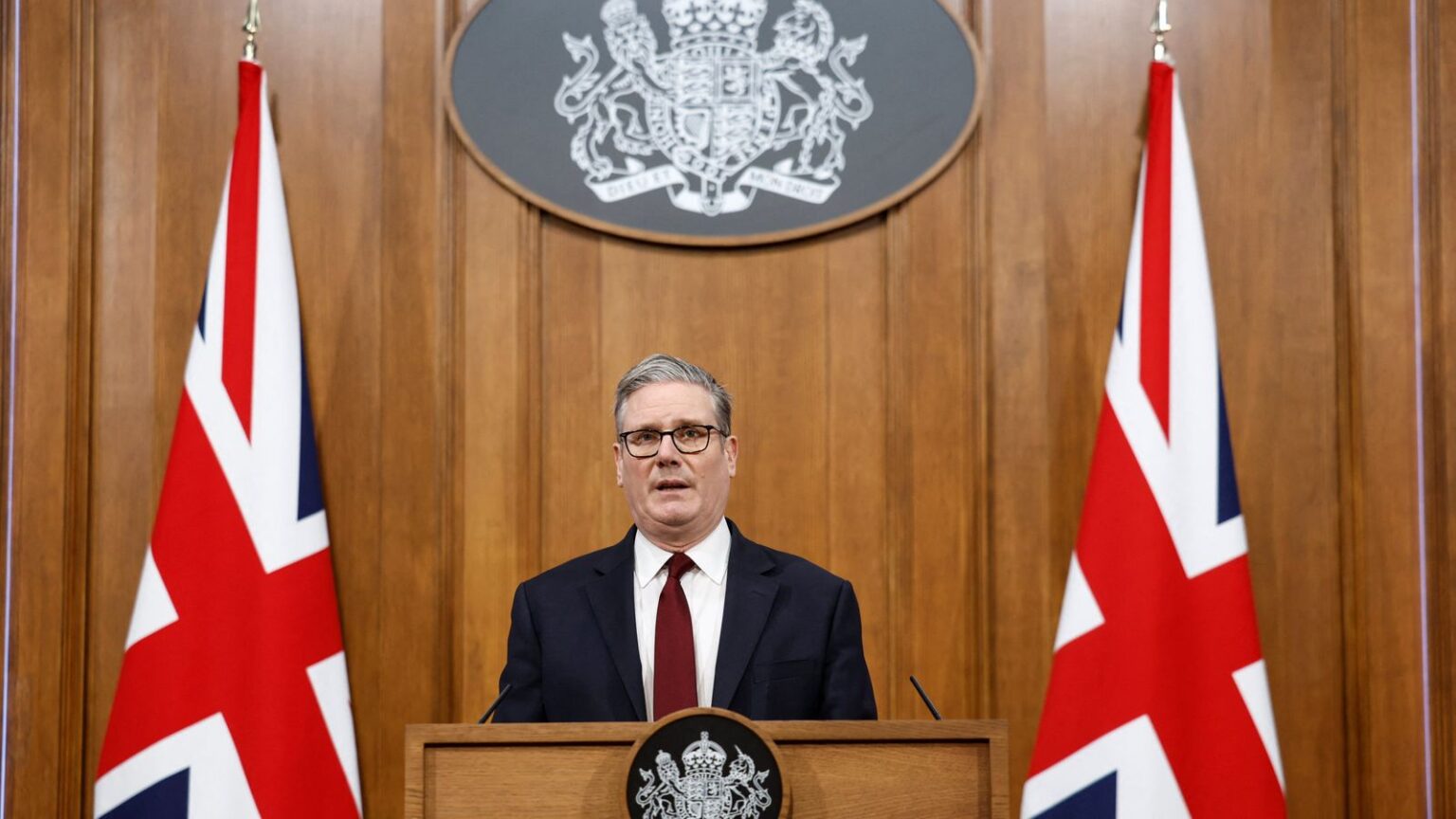

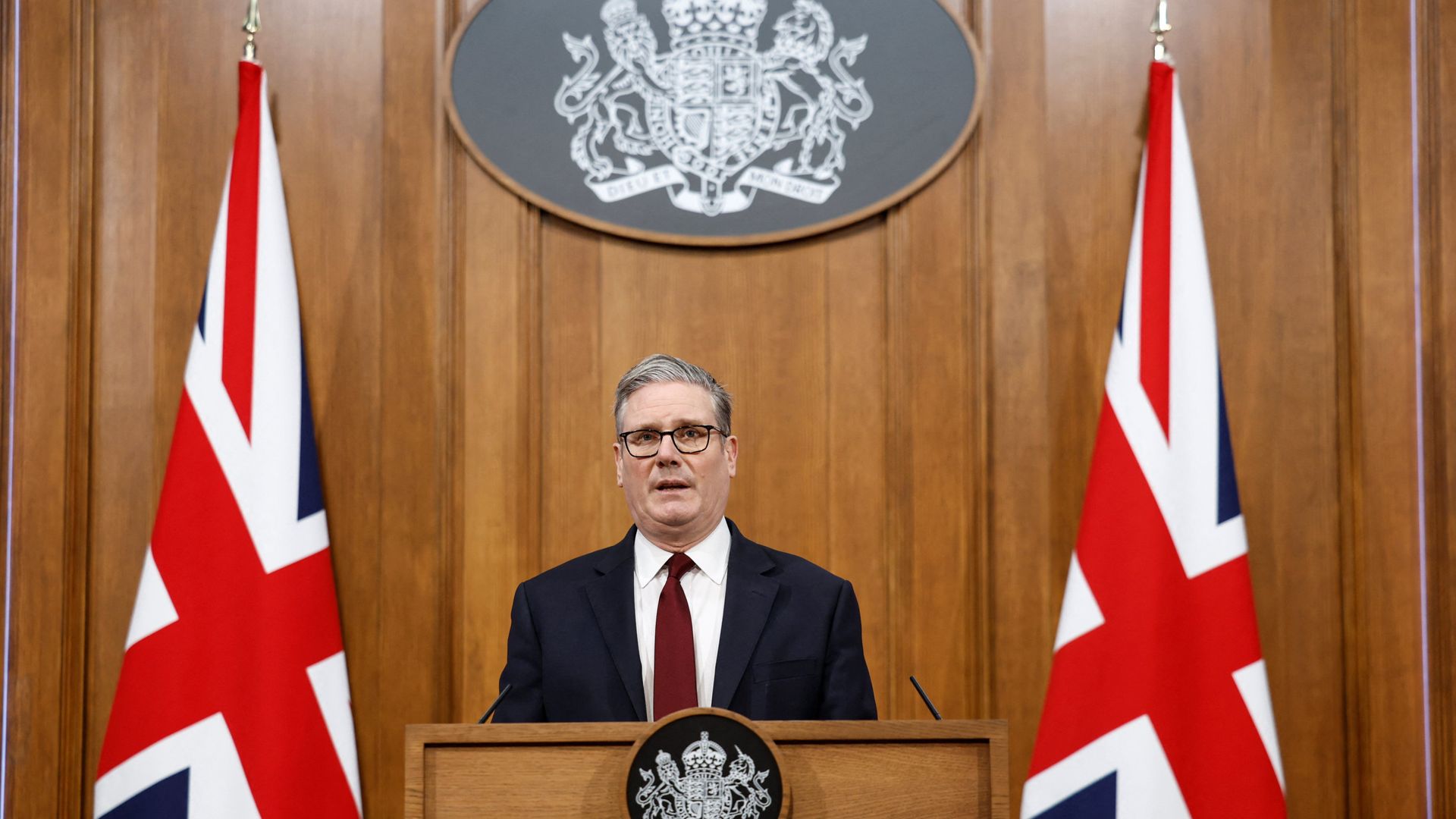
Voters are broadly split over whether Sir Keir Starmer is handling the Iran war well, exclusive polling by YouGov for Jattvibe shows.41% of voters think the prime minister has responded badly to the US’s actions against Tehran, versus 37% well.
However, 59% of people who voted for Labour in 2024 think Sir Keir is handling the crisis well.
And voters for all parties believe the government should be doing more across the board to help all households with energy bills.84% of voters, meanwhile, think action should be taken to reduce energy prices for all households.
That’s actually higher than the 73% who think action should be taken to support the least well-off households.Significantly more Conservative and Reform UK voters, as well as slightly more Labour voters, think action should be taken for all households to help with energy prices than think the poorest households should get support.
The figures are based on who respondents said they voted for in the 2024 general election.They suggest that if energy prices do rise significantly in the months ahead as a result of the war, the government will come under pressure to step in.
Sir Keir announced £53m of support on Monday for the poorest households who use heating oil to warm their homes.Unlike homes connected to the gas grid, heating oil isn’t covered by the energy price cap, which currently sets prices until the end of June.Heating oil prices have more than doubled since the start of the conflict in the Middle East.
Is Starmer so unpopular voters don’t even back him to do things they’re supportive of?
Rob Powell
Political correspondent
@robpowellnews
Has Sir Keir Starmer reached the point in his premiership where voters will simply not allow him to do anything they approve of? I ask that, because on paper his position on the Iran war should be pretty popular.
This YouGov polling shows deep scepticism about the conflict and a decisive majority who want the UK to avoid becoming directly involved. Given that, it should follow that people would look favourably on the prime minister’s largely ‘hands off’ approach.
But they don’t. Just 37% say he has responded well to the crisis with 41% saying the opposite.
The mismatch suggests to me that Starmer’s broader unpopularity may now be polluting policies that the public actually approve of and bending them out of favour because of the standing of the man who is coming up with them.
The data on energy suggests a coming challenge for government too. There is extremely high and broad support for the government to act to lower bills for everyone if the war forces prices up.
Conservative and Reform voters are less supportive of targeted help, but strongly in favour of a universal offer. It all suggests if the Iran conflict does start to seep into energy bills, ministers will be under huge pressure to act.
Meanwhile, three quarters (75%) think the government should take action to reduce energy prices for businesses.They are also not covered by the price cap – although often sign fixed price contracts, so may not see an immediate increase in costs.Voters strongly oppose UK joining Iran war70% of voters oppose the UK joining the US’s military offensive against Iran, against only 17% who support.
That may bring some relief to Sir Keir, who has resisted Donald Trump’s attempts to draw the UK further into the war.Those polled also think Mr Trump was wrong to take military action against Iran at all. 57% think the US president was wrong, and only 18% think he was right.
Only 11% think the US’s actions against Iran will leave the world a safer place – while 34% think it will leave the world less safe, and 37% think it would make little real difference.