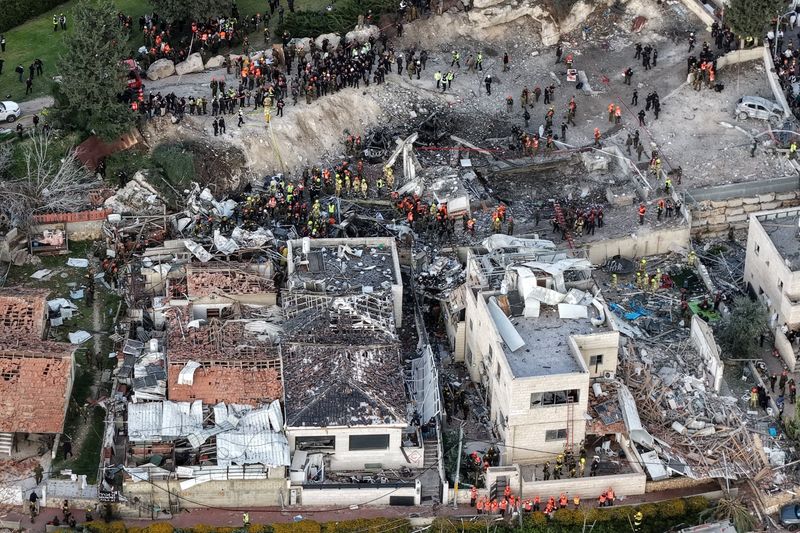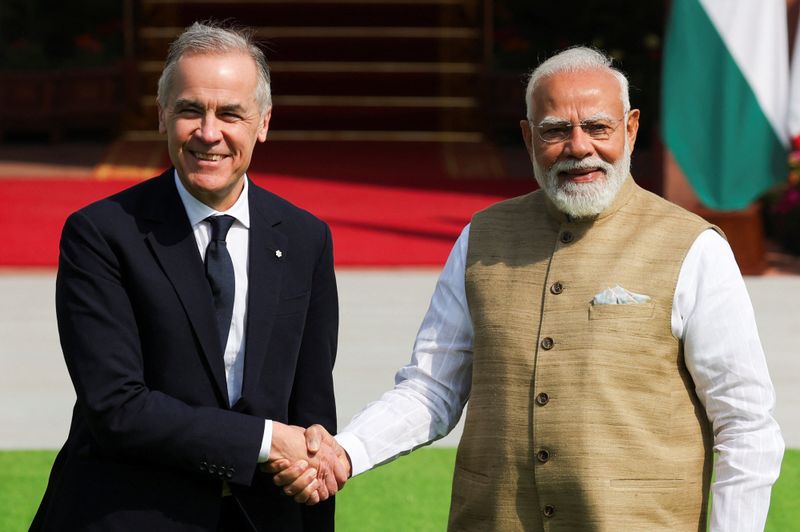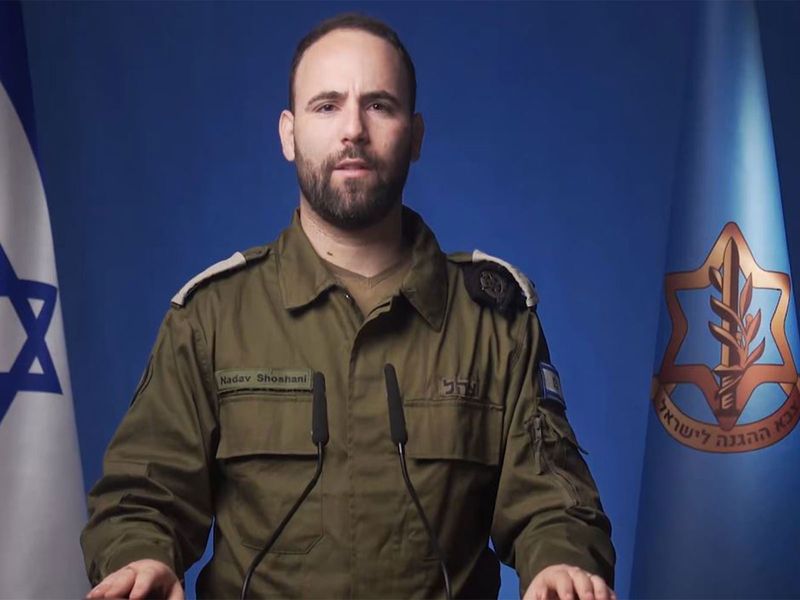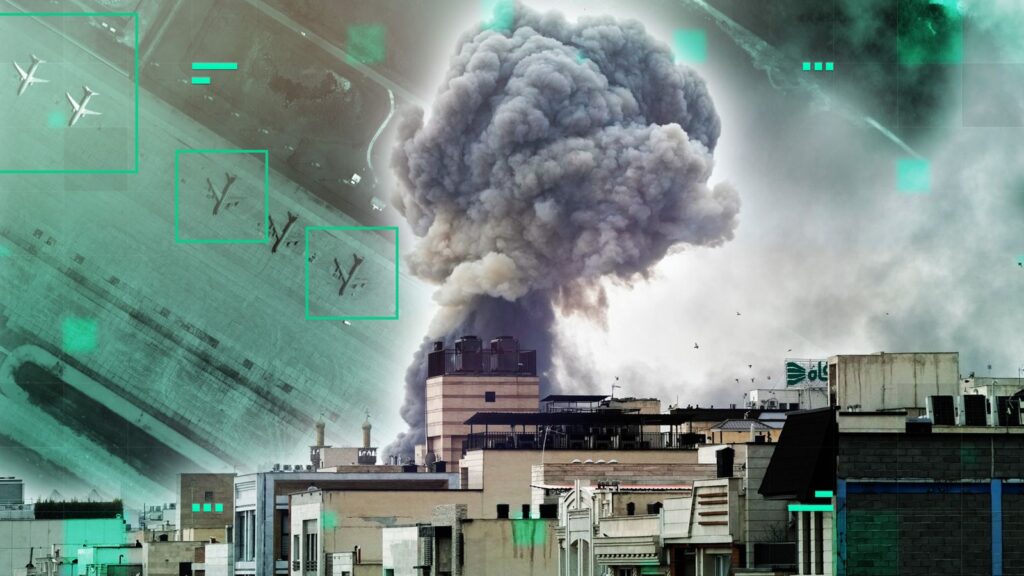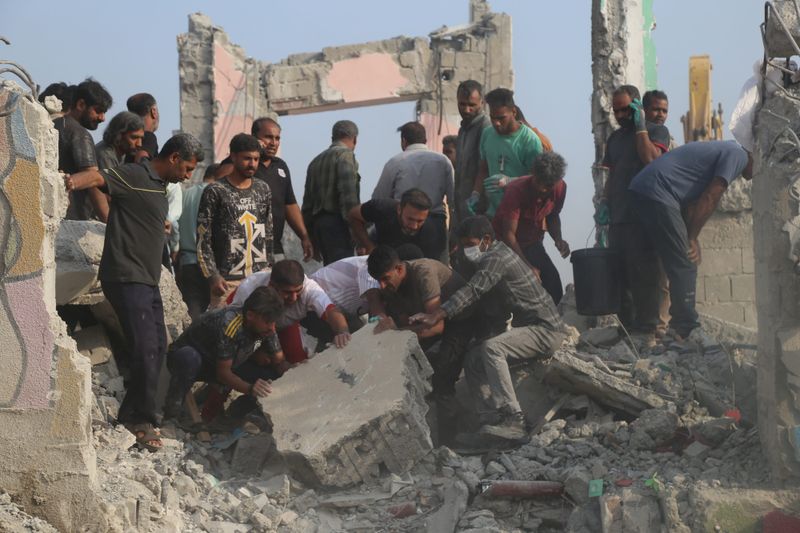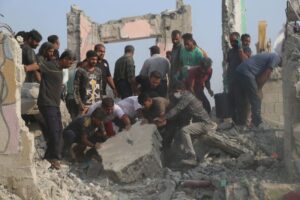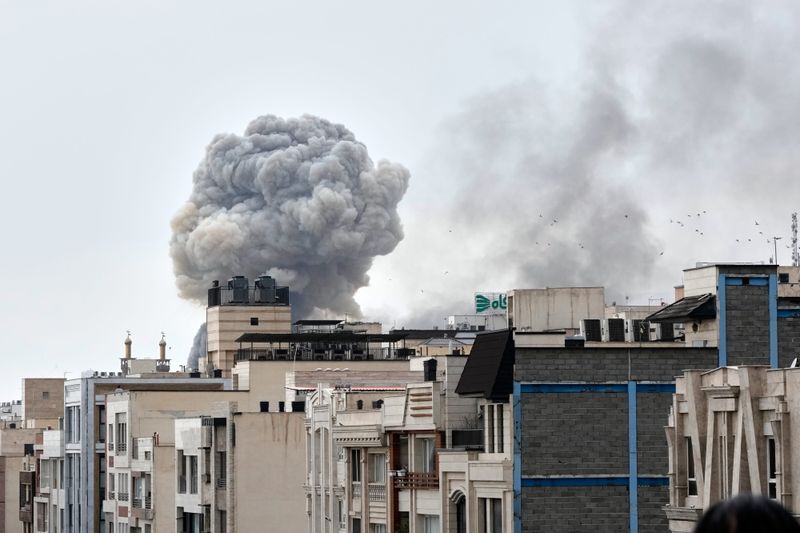

The US-Israeli war against Iran engulfed Lebanon on Monday as Tel Aviv responded to strikes by Hezbollah even as the death toll in Iran crossed 555, while India reported its first fatality in the rapidly escalating hostilities across West Asia and the Gulf region. Three US F-15 fighter jets were mistakenly shot down by Kuwaiti defence system.According to the Iranian Red Crescent Society, at least 555 people were killed across more than 130 Iranian cities since large-scale US-Israeli military strikes began over the weekend, marking one of the deadliest regional escalations in recent decades.Iranian state-linked media, meanwhile, reported that Mansoureh Khojasteh Bagherzadeh, wife of Supreme Leader Ali Khamenei, succumbed to injuries sustained during recent strikes that had earlier killed Khamenei and several members of his family, developments that have deepened political uncertainty in Tehran.Among the deadliest incidents in the past 48 hours was a strike on a girls’ primary school in Minab in southern Iran, where Iranian media reported more than 160 fatalities, several of them students, triggering widespread international condemnation. Fresh bombardments were reported in Tehran and other major cities even as Iranian missile and drone retaliation expanded across Israel and multiple Gulf states. Explosions were reported in Dubai, Abu Dhabi and Doha as regional air defence systems intercepted incoming projectiles, underscoring fears of a widening war theatre.Israel simultaneously exchanged heavy fire with Hezbollah positions in Lebanon, opening an additional northern front and further complicating prospects for de-escalation.India confirmed its first casualty linked to the conflict after an Indian mariner was killed when a bomb-laden drone struck an oil tanker in the Gulf of Oman, highlighting growing risks to commercial shipping lanes. An Indian national was also injured in missile strikes in the United Arab Emirates but remains out of danger.The Ministry of External Affairs has activated emergency monitoring cells across Indian missions as thousands of nationals remain affected by airspace closures and transport disruptions.US Defence Secretary Pete Hegseth, in a presser in Washington DC, said intelligence guiding Operation Epic Fury was “laser focused” on dismantling Iran’s military capabilities.3 US jets shot down mistakenly by KuwaitKuwait’s air defences mistakenly shot down three US F-15 jets during active combat on Monday, the US Central Command said. All six crew members ejected safely and were in a stable condition. Kuwait acknowledged the incident and an investigation was on. Iran’s state media earlier claimed that Iranian armed forces hit a US plane that crashed in Kuwait.Hegseth said US forces were targeting Iran’s offensive missile arsenal, production facilities and naval assets while seeking to permanently block Tehran from acquiring nuclear weapons. Describing the campaign as being conducted “surgically, overwhelmingly and unapologetically”, he accused Iran of developing advanced missiles and drones to shield what Washington termed its nuclear ambitions.He said US President Donald Trump, along with senior envoys Steve Witkoff and Jared Kushner, had pushed for diplomatic engagement but claimed Tehran refused meaningful negotiations.Iran’s senior leadership, however, declared that the country “will not negotiate” with Washington under military pressure, signalling a prolonged confrontation.Oil and gas infrastructure across the region has come under mounting threat. Following attacks on facilities operated by QatarEnergy in Ras Laffan and Mesaieed industrial zones, liquefied natural gas production was temporarily halted, sending global energy prices sharply higher and raising concerns for energy-dependent economies such as India.Commercial aviation across large parts of West Asia remains severely disrupted, with multiple countries partially closing airspace amid continuing missile alerts and drone interceptions.Prime Minister Narendra Modi described the situation as one of “grave concern” and said India was working with regional governments to ensure the safety of Indian citizens while urging an early cessation of hostilities through dialogue and diplomacy.With Iranian retaliation continuing, Israeli-Hezbollah clashes intensifying and US military operations expanding, international agencies have warned that the conflict risked evolving into a full-scale regional war threatening global energy flows and maritime trade routes.