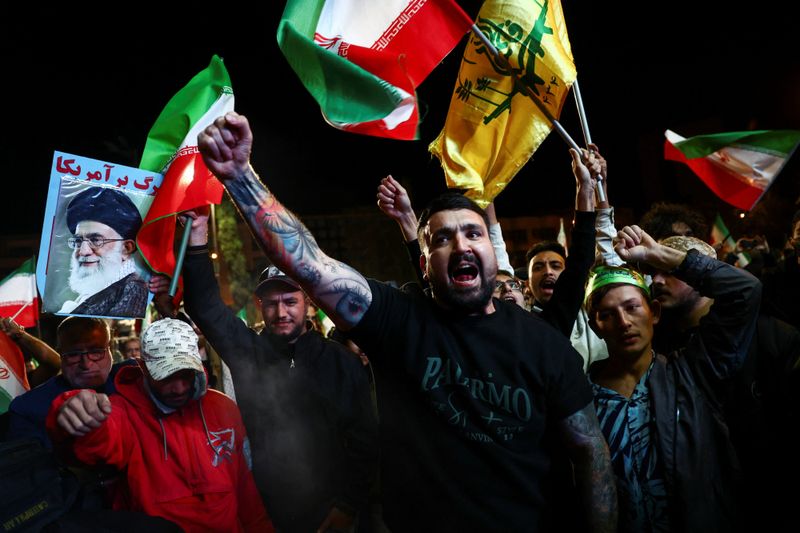

In a dramatic breakthrough after days of escalating hostilities, the United States and Iran agreed to a two-week ceasefire, raising hopes of a broader de-escalation in the West Asia conflict.Announcing the development, US President Donald Trump said Washington would suspend planned military strikes against Iran, describing the pause as a “double-sided ceasefire” aimed at paving the way for a long-term peace agreement.The decision followed consultations with Pakistan Prime Minister Shehbaz Sharif and Army Chief Asim Munir, who urged restraint amid fears of a wider regional war.“Subject to the Islamic Republic of Iran agreeing to the complete, immediate, and safe opening of the Strait of Hormuz, I agree to suspend the bombing and attack on Iran for a period of two weeks,” Trump said, adding that the US had already “met and exceeded all military objectives”.He indicated that negotiations were at an advanced stage, with Washington viewing Iran’s 10-point proposal as a “workable basis” for a final agreement. “A two-week period will allow the agreement to be finalised and consummated,” he added.Tehran confirmed the ceasefire framework shortly thereafter, with Foreign Minister Seyed Abbas Araghchi announcing that Iran would halt its defensive operations if attacks ceased.“On behalf of the Islamic Republic of Iran… if attacks against Iran are halted, our powerful armed forces will cease their defensive operations,” Araghchi said, adding that safe passage through the Strait of Hormuz would be ensured for two weeks in coordination with Iranian forces.He also acknowledged Pakistan’s role in mediating the breakthrough, thanking Sharif and Munir for their “tireless efforts” to end the conflict.The agreement marks the first significant pause in hostilities since tensions spiralled into open confrontation, which got the entire Gulf region involved and disrupted the global energy supplies.The reopening of the Strait of Hormuz—through which a substantial portion of the world’s oil shipments pass—is expected to stabilise energy markets in the short term, though uncertainties remain over the durability of the truce.Diplomatic sources said the coming fortnight will be critical, with both sides expected to finalise a broader framework addressing longstanding disputes, including security concerns, regional influence and economic sanctions.While the ceasefire has been widely welcomed as a step back from the brink, analysts cautioned that the situation remains fragile, with any violation or miscalculation capable of reigniting hostilities.For now, however, the attacks have fallen silent—offering a narrow but crucial window for diplomacy in one of the world’s most volatile regions.