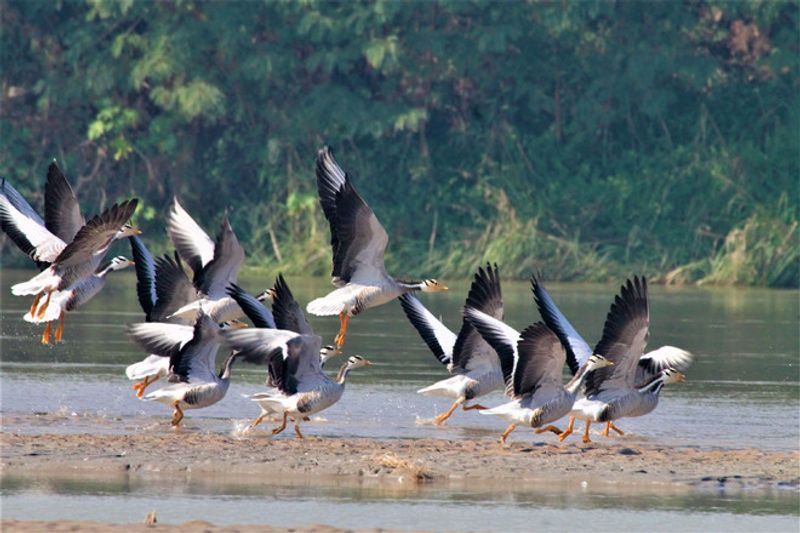

The devastating floods that struck Punjab last year have taken a visible toll on migratory bird populations, with key wetlands such as Harike, Keshopur and Ranjit Sagar recording a significant decline in bird numbers, the latest annual census has revealed.Conducted in January 2026 under the Asian Waterbird Census (AWC), the survey shows a dip in overall bird count across the state’s major wetlands. According to data released by the Punjab Forest Department, the total number of birds across six key wetlands fell to 71,129 in 2026, down from 77,772 in 2025, highlighting the impact of flood-induced habitat disruption.Harike, Keshopur among worst-hit wetlandsSharp decline was recorded in major bird habitats. The worst-affected sites include Harike Wildlife Sanctuary, where bird numbers dropped from 57,251 to 52,707, and Keshopur Wetlands, which saw a steep fall from 13,675 to 10,450.Ranjit Sagar Wetlands also reported a decline, pointing to widespread ecological stress across flood-affected regions. In contrast, relatively less-affected wetlands such as Ropar, Nangal and Kanjli recorded an increase in bird numbers, indicating uneven flood impact.Species diversity rises, signalling ecosystem resilienceDespite the decline in total numbers, the census recorded an increase in species diversity — from 278 species in 2025 to 304 in 2026. Chief Wildlife Warden Basanta Rajkumar termed this a mixed trend. “The decline in numbers reflects ecological stress due to floods, but the increase in species richness indicates resilience of wetland ecosystems,” he said.Punjab wetlands remain crucial for Central Asian FlywayThe census covered six major wetlands — Harike, Nangal, Keshopur, Ranjit Sagar, Ropar and Kanjli — five of which are designated Ramsar sites of international importance. Large flocks of migratory birds such as greylag goose, bar-headed goose, gadwall, northern shoveler and common pochard reaffirm Punjab’s importance along the Central Asian Flyway.Notable sightings included:441 common cranes at Keshopur Wetlands, a species largely confined to the Keshopur-Shalla Pattan belt11 black-necked grebes at Nangal, a rare sighting in north-western IndiaCollaborative census highlights conservation urgencyThe survey was conducted by the Forest Department in collaboration with institutions including BNHS, WII, IISER, WWF-India, universities and birdwatchers, following standard AWC protocols. Officials said the findings highlight both the decline in bird influx due to extreme weather events and the continued ecological importance of Punjab’s wetlands. Conservation and habitat restoration measures are expected to be planned based on the data.Site-wise bird count (2026 vs 2025)Harike: 52,707 vs 57,251Keshopur: 10,450 vs 13,675Ropar: 2,313 vs 1,486Nangal: 3,169 vs 2,411Ranjit Sagar: 1,867 vs 2,500Kanjli: 623 vs 449