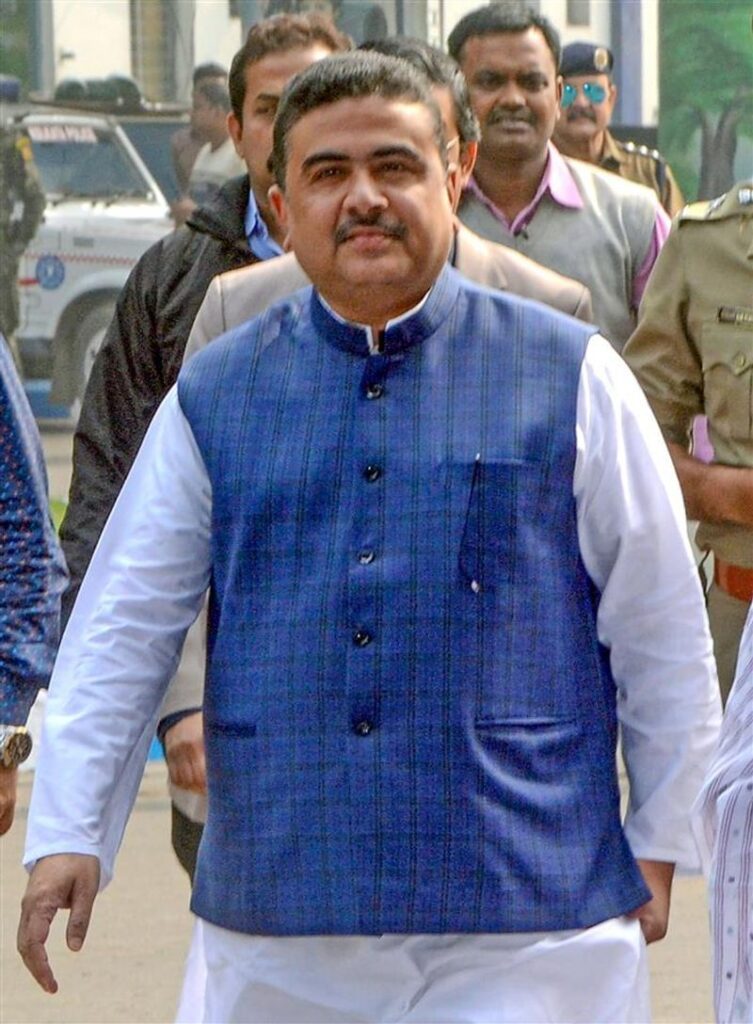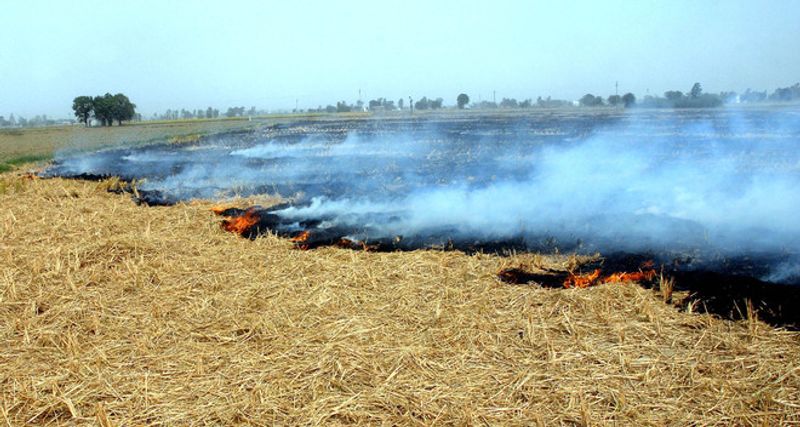
Union Agriculture and Farmers’ Welfare Minister Shivraj Singh Chouhan on Friday said Delhi-NCR pollution cannot be blamed solely on stubble burning.Speaking in the Rajya Sabha during Question Hour, Chouhan said scientific studies show that crop stubble burning contributes not more than 5% to pollution in winter, with industrial units and vehicles being major sources.“Still, acknowledging the harm of burning, the government provides 50% subsidy on machinery and 80% for custom hiring centres under the Crop Residue Management (CRM) scheme. Over 3.5 lakh machines have been distributed across Punjab, Haryana, Western UP, and Madhya Pradesh, significantly reducing incidents,” he added.The Union Minister said Haryana’s model—offering per-acre incentives for in-situ and ex-situ management, crop diversification, DSR adoption, and rewards to non-burning panchayats—was highlighted as best practice.“Stubble is being converted into a valuable resource for pellets, thermal power, biomass, bio-CNG, and fuels, in the state,” he said.Congress leader Jairam Ramesh said the vilification of farmers for causing pollution must stop.“In recent years, the Union Ministry of Environment, Forests, and Climate Change has often blamed paddy stubble burning by farmers in Punjab, Haryana, and UP for the winter pollution crisis in Delhi and other parts of North India. Today, in the Rajya Sabha, the Minister of Agriculture and Farmers Welfare stated categorically that paddy stubble burning is responsible for just around 5% of the pollution load. The vilification of farmers for causing pollution must stop,” he said in a post on X.Explaining the rationale behind launching the Crop Residue Management Scheme, the Union Agriculture Minister said that although stubble burning is an easy way for farmers to clear their fields for the next crop sowing, it has several disadvantages apart from causing pollution.These include the destruction of crop-friendly insects, loss of nutrients and organic carbon, and a reduction in soil fertility. That is why the government introduced the Crop Residue Management Scheme, he stated.Chouhan also said that the government has created an Agriculture Infrastructure Fund to ensure safe storage of farmers’ produce.He told the House that around 44,000 custom hiring centres, 25,000 primary processing centres, 17,000 warehouses. and 3,000 cold storage units have been established, under the Fund.The minister noted that post-harvest losses of fruits and vegetables have been reduced by 5 to 15 per cent due to such initiatives.He informed the House that 152 Farmer-Producer Organisations (FPOs) across the country are continuously working to enhance farmers’ income.Highlighting the government’s procurement policy, Chouhan said that the government is providing MSP at least 50 per cent above the cost of production of farmers.He said India has overtaken China to become the world’s largest producer of rice. He said the country has achieved self-reliance in rice and wheat, and the government has decided to make India self-sufficient in pulses as well.On MSP, the Union Minister said the Opposition had rejected the Swaminathan Commission’s recommendation (cost plus 50%) while in power, even filing affidavits in court.“Under UPA rule, only 6 lakh metric tonnes of pulses were procured in 10 years, whereas the Modi government procured 1 crore 92 lakh metric tonnes and there is 100% procurement guarantee for tur, masoor, and urad—whatever quantity farmers produce and wish to sell will be bought by the government,” he said.