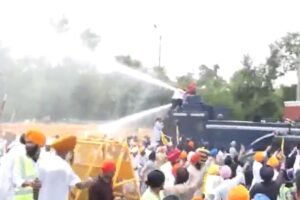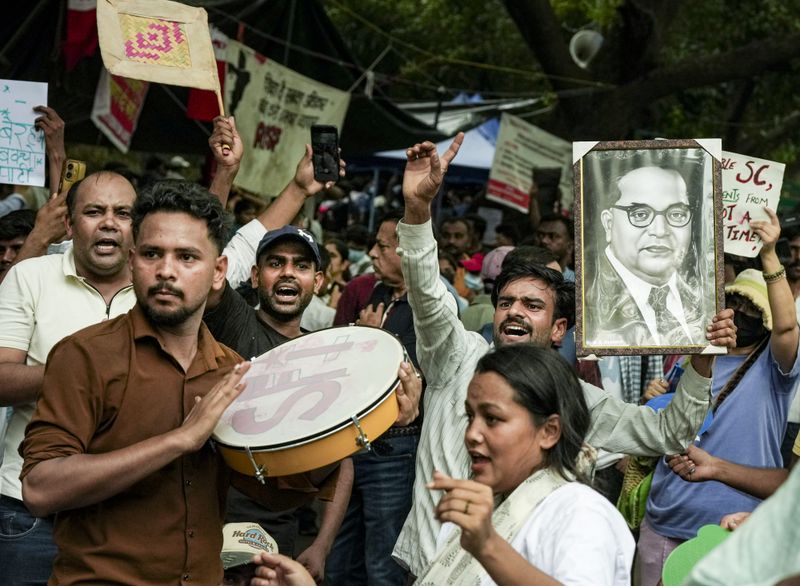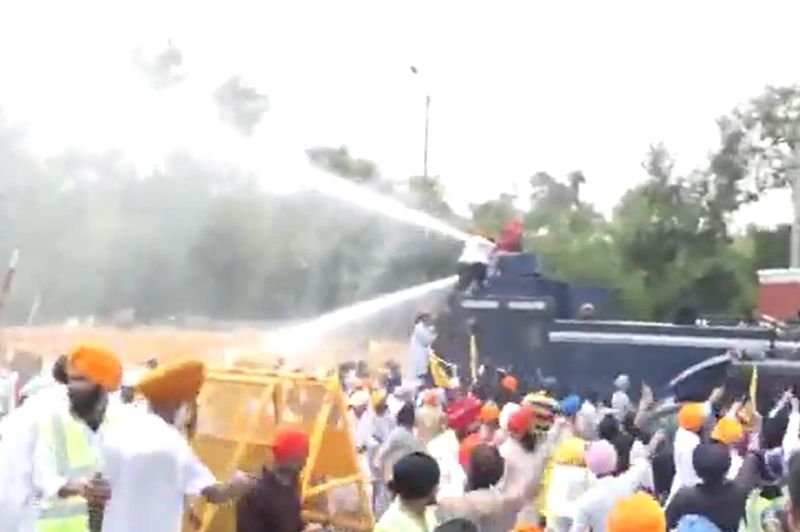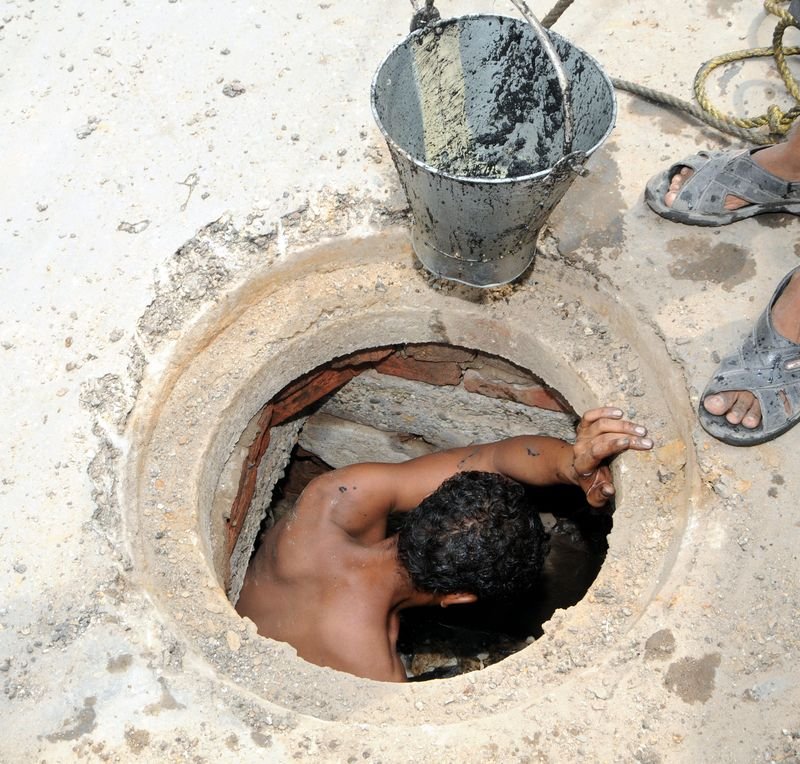

Over the past decade, at least 27 sewer workers in Punjab have lost their lives while cleaning underground sewage systems across various towns and cities, according to data compiled by the National Commission for Scheduled Castes (NCSC).The data comes at a time when sanitation and municipal workers across the state are on strike, demanding job regularisation and essential safety gear after a recent police lathi-charge on protesting workers in Barnala.According to the NCSC, a total of 51 sewer workers have died in Punjab since 1993. The families of two deceased workers are yet to receive compensation.Despite the gradual introduction of mechanised sewer-cleaning systems in urban centres, the state continues to face a severe shortage of such machinery, forcing workers to manually enter hazardous septic tanks and mainlines.Ludhiana tops the state’s casualty list with 15 sewer worker deaths since 1993. The last recorded incident in the industrial city occurred on December 17, 2017, when Joginder Singh lost his life. Official figures do not include deaths in private septic tanks, where the casualty count is believed to be higher.District-wise sewer worker deaths (since 1993)District/City DeathsLudhiana 15Mohali 8Bathinda 7Amritsar 6Ferozepur 5Jalandhar 3Meagre pay and unfulfilled promisesSanitation workers and sewermen in the state currently operate on a monthly wage of just Rs 10,500. Local Government Minister Harjot Singh Bains recently announced a pay hike raising their emoluments to Rs 20,500 per month. However, workers assert that higher pay does not address the fundamental issue of hazardous working conditions and contractual instability.With the statewide strike continuing, heaps of garbage have accumulated across several urban centres.Under existing norms, the family of a worker who dies on duty is entitled to Rs 10 lakh in compensation. However, procedural delays and legal hurdles continue to hamper disbursal.In Ludhiana, sewer worker Sushil lost his life on February 5, 2011, but the compensation remains unpaid as no legal heir has been verified to date.In Barnala—where striking workers faced a police crackdown on July 22—two workers, Rakesh Kumar and Tinkuu Kumar, had lost their lives on duty on November 22, 2012.Severe shortage of safety gear: UnionMunicipal Workers Federation state president Gurpreet Singh Walia said manual cleaning remains rampant across Punjab due to a lack of suction and jetting machines.“Sewer cleaning in most towns is still done manually without basic safety kits or gas masks. Sewermen risk their lives every single day just to earn a living. Our primary demand is simple: provide adequate safety machinery and regularise all contractual workers immediately,” Walia said.The National Commission for Scheduled Castes continues to pursue compensation claims and legal rights for the victim families, but ground reality remains grim for one of the state’s most vulnerable workforces.Tragic toll (1993-present)Total deaths in Punjab: 51Families yet to receive compensation: 2Highest-single-year death toll (2017): 8Toxic gas deaths (2023): 6National pictureTotal deaths nationwide since 1993: 1,370Highest casualties: Tamil Nadu (264), Gujarat (209)Haryana: 128 deaths (third highest nationally)