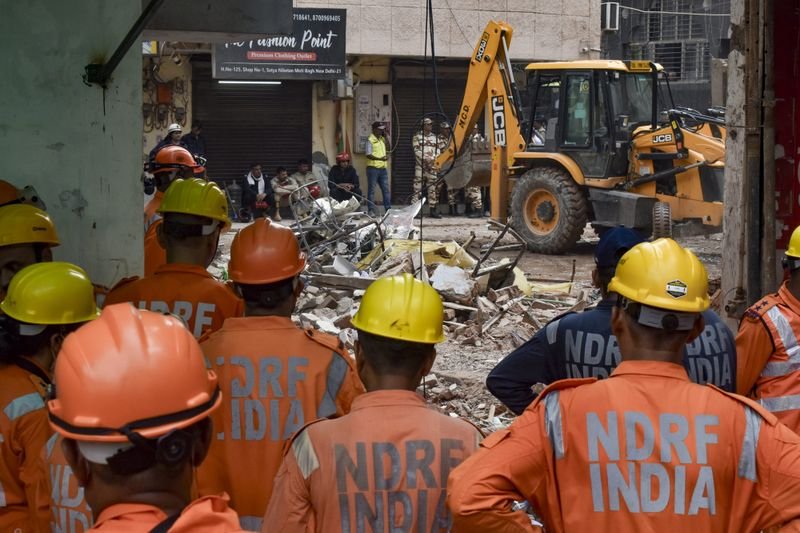

Delhi’s annual exercise to identify dangerous and dilapidated buildings is once again under scrutiny, with questions being raised over whether the civic body’s surveys are translating into timely action on the ground.The scale of the exercise stands in stark contrast to the number of buildings actually declared dangerous. This year, the MCD surveyed around 30.7 lakh buildings ahead of the monsoon, but identified only 62 as dangerous.The gap has assumed significance after repeated incidents of building collapses in the Capital and concerns over the action taken against structures already declared unsafe.In 2021, the MCD, based on a report by IIT Roorkee, had declared a building in Gaffar Market dilapidated. Yet, no effective action has been taken against the structure so far. Thousands of shops continue to operate from the market, raising questions over how such a building can remain in use despite being declared unsafe.A similar situation exists at Krishna Kunj in Rohini Sector 15. Building No. 18 in B-Block, Pocket B-6, was declared dilapidated by the civic body around four years ago. However, a permanent solution is still awaited. Bamboo supports have been installed around the building and a ‘danger zone’ warning put up, but the underlying problem remains.This raises a crucial question: who will be responsible if the structure eventually collapses?Even MCD’s own Old Delhi office in poor shapeThe problem is not limited to private buildings. The MCD’s zonal office in Old Delhi is itself in a dilapidated condition.Mortar is coming off the walls at several places and the building appears badly maintained. Located close to an underground Metro line, the structure is also reported to experience vibrations when Metro trains pass.Despite this, repairs to the building remain pending. The issue was recently raised by AAP councillor Ariba Khan during a Standing Committee meeting.The building houses MCD’s zonal property tax and education department offices, meaning employees and visitors continue to use a structure whose condition has itself become a concern.30.7 lakh surveyed, only 62 declared dangerousAccording to the MCD’s annual pre-monsoon survey, the Karol Bagh zone recorded the highest number of dangerous buildings at 19, followed by nine in the West zone, eight in the Central zone, four in the South zone and five in the City-Sadar Paharganj zone.Interestingly, not a single dangerous building was identified in the Shahdara North, Shahdara South and Civil Lines zones.The figures have raised questions over the effectiveness of the annual inspection exercise, particularly as building-collapse incidents have continued to occur in different parts of the Capital. The issue is no longer just about identifying unsafe structures, but whether the civic body acts before a warning turns into a tragedy.