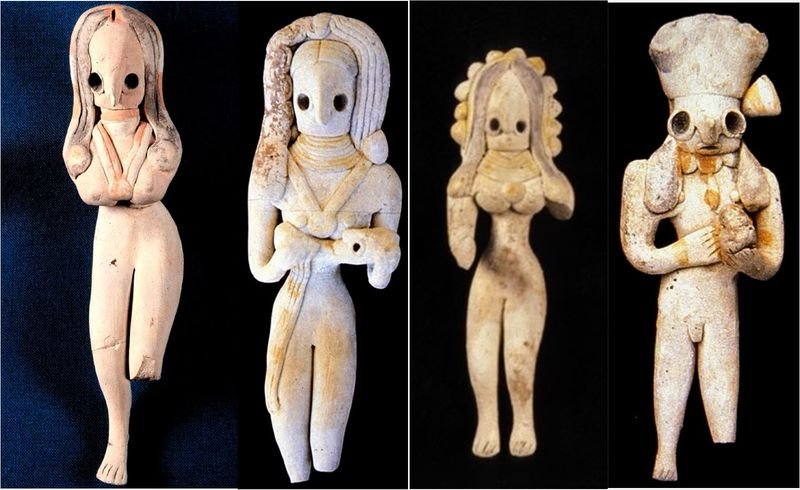

Evidence recovered from the Harappan site in Banawali village indicates that pre-Harappan people living in the region were equally keen on hair and skin care. Archaeologists have found evidence of shampoo-like products and traces of preparation of herbal soap during one of the excavations at the Harappan site in Banawali, which is part of the Indus Valley Civilisation.Dr Narender Parmar, Deputy Director with Haryana State Archaeology Department, said traces related to soap and shampoo were discovered during previous excavations. He said the evidence was collected from a pot recovered from the Harappan site during excavations in the 1990s. Samples taken from the pot were sent to Birbal Sahni Institute of Palaeosciences (BSIP) in Lucknow.Dr Parmar said examination of certain objects had revealed evidence of a mixture involving saponin-bearing plants, amla (Emblica officinalis) and shikakai (Acacia rugata) preparations that may have been used for cleansing hair and the body. Such plant-based ingredients continue to be used in herbal soaps and hair-care products even today, reflecting the enduring relevance of traditional knowledge of natural cleansing agents, he said.Dr Parmar told The Tribune that it indicates that people living in the region about 5,000 years ago knew how to use natural ingredients for hair care and personal hygiene. The findings drew the attention of visitors, including the Chief Minister, at an exhibition organised during the Rakhigarhi festival, he added. The evidence suggests that the people of the Saraswati-Indus civilisation had knowledge of using natural resources not only for food and other necessities but also for personal grooming and cleanliness.Evidence from the civilisation also points to an awareness of personal appearance and grooming. The official said terracotta figurines recovered from Harappan sites depict women with varied hairstyles, suggesting that considerable attention was paid to hair arrangement and adornment.The evidence of shampoo-like preparations at Banawali further indicates that people may have used specialised natural products to clean and care for their hair. “These findings offer insights into the daily lives of the inhabitants of the Saraswati-Indus civilisation, showing that their achievements extended beyond urban planning, water management and trade to include personal hygiene and beauty practices,” he said.