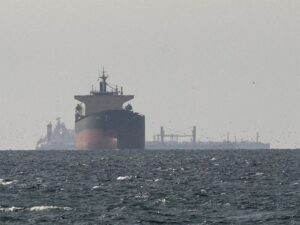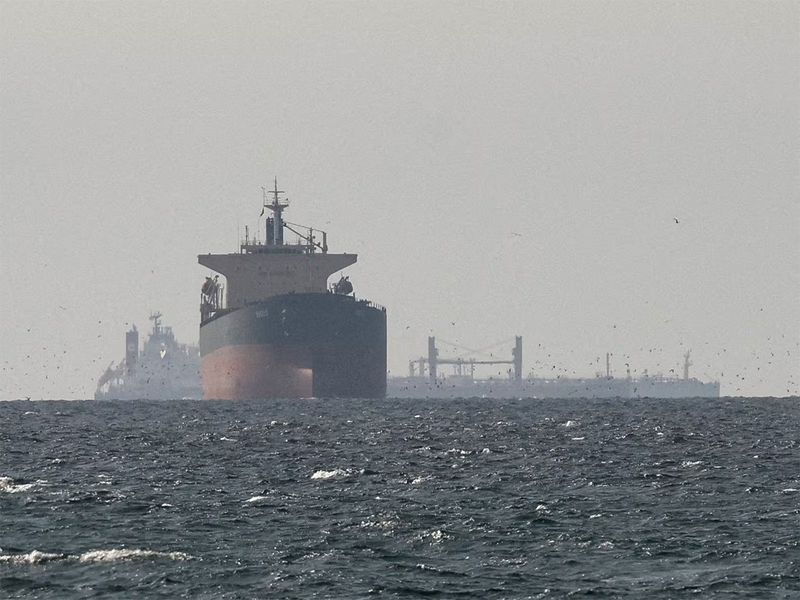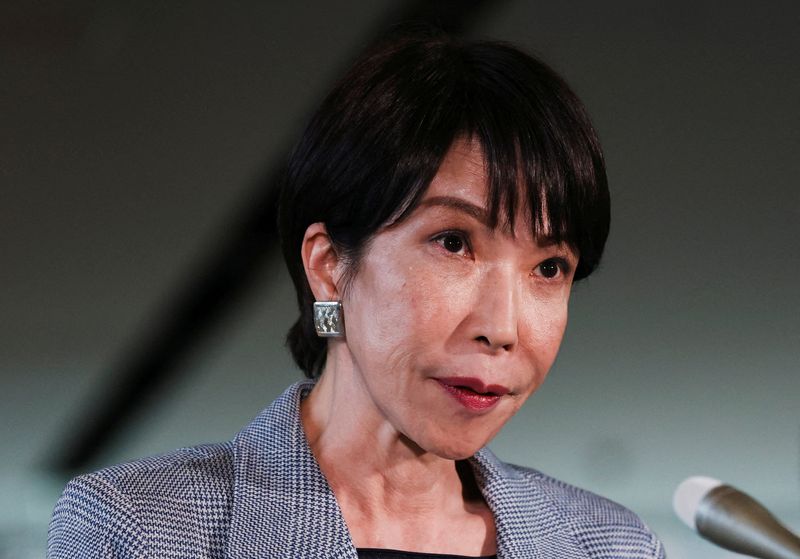

As tensions in West Asia remain dangerously elevated, a parallel and increasingly coordinated diplomatic push is underway to prevent a wider conflict, with multiple global actors working to sustain the fragile US-Iran ceasefire, and revive stalled negotiations between Washington and Tehran.At the centre of these efforts is Pakistan, which has positioned itself as a crucial intermediary following its hosting of high-stakes US-Iran talks in Islamabad.A special meeting of the federal cabinet chaired by Prime Minister Shehbaz Sharif on Monday unanimously adopted a resolution praising its political and military leadership’s role in bringing the two adversaries to the negotiating table.Sharif asserted that the ceasefire between the United States and Iran “still stands”, even as substantive issues remained unresolved.“As I am speaking, full efforts are underway to resolve the outstanding matters,” he said, while alluding to sensitive backchannel negotiations. The Pakistani leader also revealed that the situation had, at times, come close to collapsing, before being stabilised through intensive behind-the-scenes engagement led by his military leadership, including Army chief Asim Munir.The diplomatic momentum has found resonance beyond the immediate region. Japan has emerged as a key stakeholder, stepping up high-level engagement with both sides while aligning closely with Pakistan’s mediation efforts.In a call with Sharif, Japanese Prime Minister Sanae Takaichi confirmed that Tokyo had been in active communication with both Washington and Tehran at the highest levels, signalling Japan’s intent to play a constructive diplomatic role in defusing the crisis.She also highlighted the urgent need to stabilise the Strait of Hormuz, describing it as a critical artery of global trade and an “international public good”, while stressing that safe navigation must be restored at the earliest for all vessels, including those from Asia’s energy-dependent economies.Calls for restraint and renewed negotiations also came from Europe. Germany’s Foreign Minister Johann Wadephul urged both sides to utilise the current ceasefire window to resume talks, warning that the opportunity for diplomacy must not be squandered.“The ceasefire is holding, and I can only urgently appeal to both sides to make use of this time,” he said, stressing that continued engagement was in the interest of both the region and the international community.