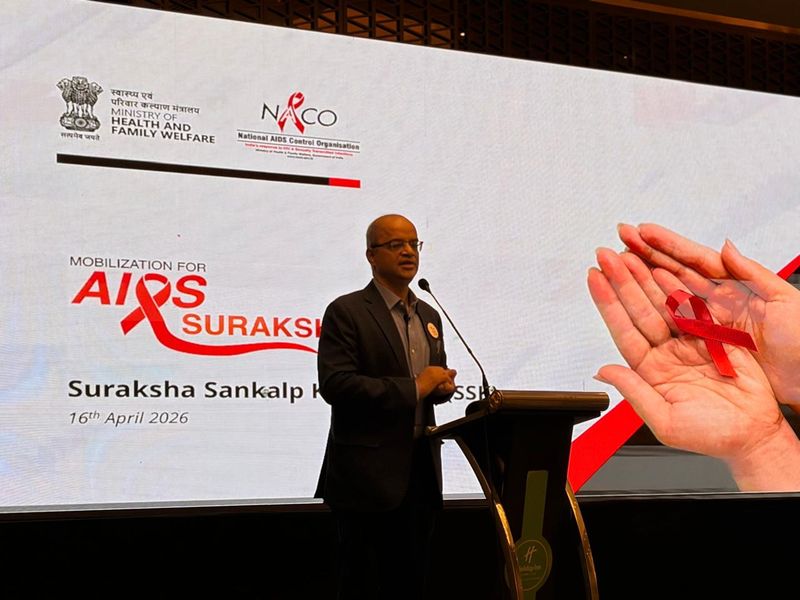

Injecting drug use is contributing significantly to HIV transmission in Punjab, Union Additional Health Secretary and National AIDS Control Organisation (NACO) Director General Dr Rakesh Gupta said on Thursday, stressing the need for an urgent and accelerated response to reverse the trend.Dr Gupta was chairing a high-level workshop convened by NACO at Zirakpur in Mohali to drive focused, data-led action towards achieving the 95-95-95 targets — a global framework aimed at ending AIDS by 2030. Punjab Principal Secretary (Health and Family Welfare) Kumar Rahul and senior state and district-level programme functionaries also participated.“In states like Punjab, where injecting drug use contributes significantly to HIV transmission, our response must be urgent and accelerated. District-level strategies, supported by data and convergence with other health services, are essential to reversing this trend,” Dr Gupta said.He added that empowering districts with greater ownership and accountability would be critical in translating national goals into measurable local impact.Punjab, with an HIV prevalence of 0.42 per cent and an estimated 1,10,715 people living with HIV, remains a priority state under NACO’s focused national strategy. Of its 23 districts, 21 — Tarn Taran, Amritsar, Moga, Pathankot, Mansa, Fatehgarh Sahib, Ludhiana, Hoshiarpur, Mohali, Jalandhar, Kapurthala, Gurdaspur, Barnala, Faridkot, Sangrur, Patiala, Nawanshahr, Ferozepur, Bathinda, Ropar and Muktsar Sahib — have been identified for intensified programme action.District teams presented their progress, flagged operational challenges and drew up targeted strategies to strengthen HIV prevention, testing and treatment services. The day-long workshop, attended by Deputy Commissioners, Additional Deputy Commissioners, Civil Surgeons and District AIDS Control Officers, fostered cross-learning and resulted in concrete district-level action plans.Kumar Rahul reaffirmed the state’s commitment, saying Punjab would strengthen its HIV response through targeted, evidence-based interventions. “This workshop has enabled districts to align their strategies with local realities and reinforce accountability for improved service delivery and health outcomes,” he said.The Zirakpur workshop is part of a structured series of engagements being undertaken by NACO across states to strengthen HIV programme delivery in high-burden districts through a decentralised, data-driven approach.