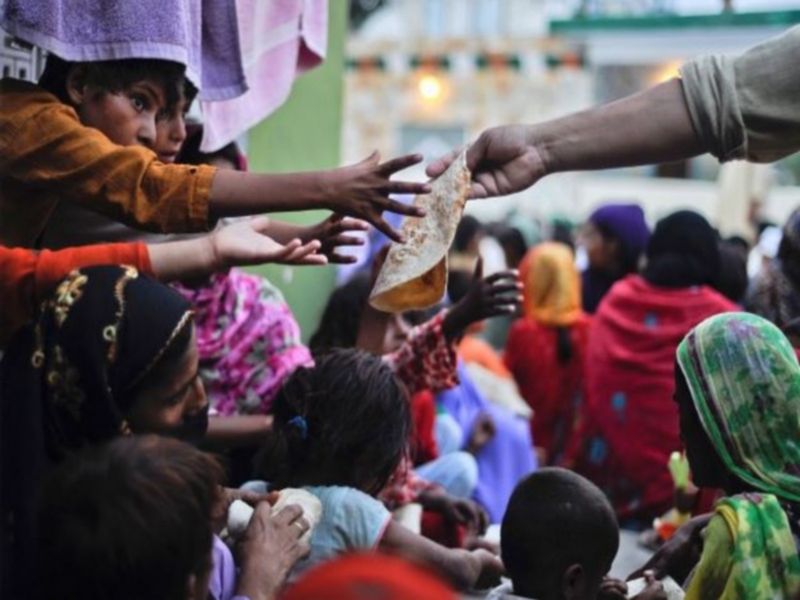

Islamabad [Pakistan], April 25 (ANI): Pakistan continues to rank among the world’s most food-insecure nations, with millions struggling to access basic nutrition.The 2026 Global Report on Food Crises places Pakistan among ten countries where acute hunger is most severe, alongside nations like Afghanistan, Sudan, and Yemen, as reported by Dawn.According to Dawn, nearly 11 million people in Pakistan faced acute food insecurity in 2025. Of these, approximately 9.3 million were classified under “crisis” conditions. At the same time, 1.7 million fell into the more severe “emergency” category, just one level below famine on the Integrated Food Security Phase Classification scale.The report highlights that a combination of economic fragility and intensifying climate events is driving food insecurity in Pakistan. Devastating monsoon rains and flash floods last year impacted over six million people, wiping out crops and damaging infrastructure in vulnerable regions.Although the country showed slight improvement with reductions in the number of people in the most severe hunger categories, these gains remain precarious. Rising inflation, projected to reach 6 per cent, and continued environmental stress threaten to reverse progress.The report also flags serious nutritional concerns, particularly in Balochistan, Khyber Pakhtunkhwa, and Sindh. However, Pakistan lacks up-to-date data to formally assess the severity of malnutrition, placing it among countries with incomplete nutrition classification.Despite this, structural risks tied to poor healthcare access, unsafe water, and inadequate diets persist. Pakistan is also a key host for displaced populations, especially Afghan refugees, adding further strain to already stretched resources, as highlighted by Dawn.Importantly, the report cautions that the apparent rise in food insecurity is partly due to expanded data coverage. The assessment now includes 68 districts, up from 43 the previous year, increasing population coverage from 16 to 21 per cent. This broader scope has brought more affected populations into the analysis, complicating year-to-year comparisons, as reported by Dawn. (ANI)(This content is sourced from a syndicated feed and is published as received. The Tribune assumes no responsibility or liability for its accuracy, completeness, or content.)