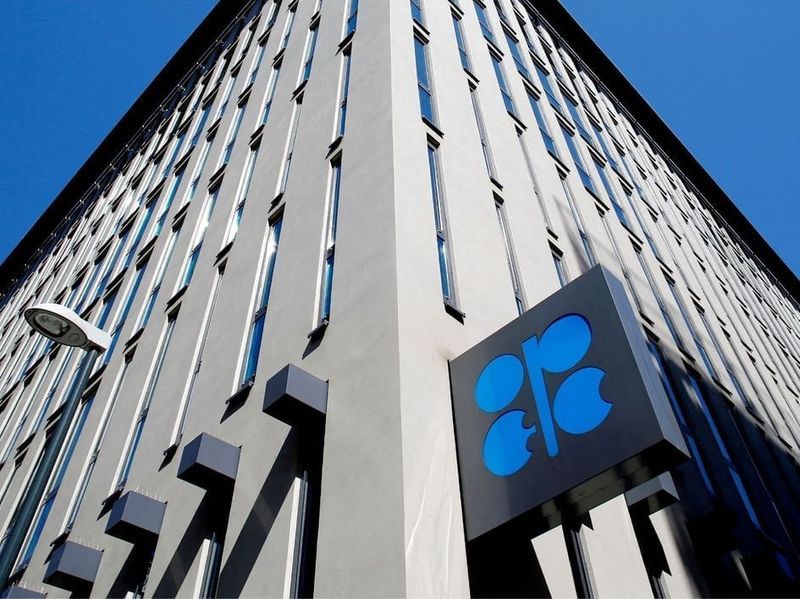

The United Arab Emirates on Tuesday announced it will exit the Organisation of the Petroleum Exporting Countries and the broader OPEC+ grouping with effect from May 1, marking a significant shift in its long-term energy strategy.In an official statement, the UAE’s Ministry of Energy and Infrastructure said the decision follows a comprehensive review of its production policy, current and future capacity, and aligns with national economic priorities.The move, it said, reflects the country’s evolving energy profile and increased focus on expanding domestic production while maintaining a “responsible, reliable and forward-looking” role in global energy markets.The UAE emphasised that its exit does not signal a retreat from global energy cooperation. Instead, it aims to enhance flexibility in responding to market dynamics while continuing to contribute to stability. “Our policies will be guided by responsibility and market stability, taking into account global supply and demand,” the statement said.Acknowledging more than five decades of association, the UAE said it values its longstanding cooperation within OPEC, which it joined in 1967 through Abu Dhabi and continued after its formation in 1971. It expressed appreciation for the role of both OPEC and OPEC+ in maintaining market balance.The statement highlighted that global energy demand is expected to grow steadily despite short-term volatility, including disruptions in the Arabian Gulf and the Strait of Hormuz. It underscored the need for a flexible, reliable and affordable supply system.Post-exit, the UAE said it will continue investing across the energy value chain—including oil, gas, renewables and low-carbon solutions—and bring additional production to markets in a gradual and measured manner aligned with demand conditions.Reaffirming its commitment to global market stability, the UAE said it will remain actively engaged with international partners while pursuing economic diversification and long-term energy transition goals.