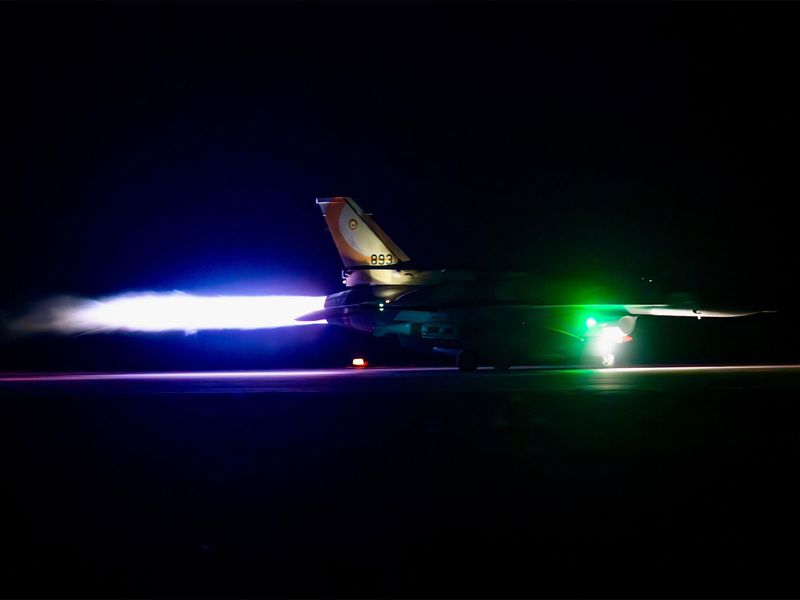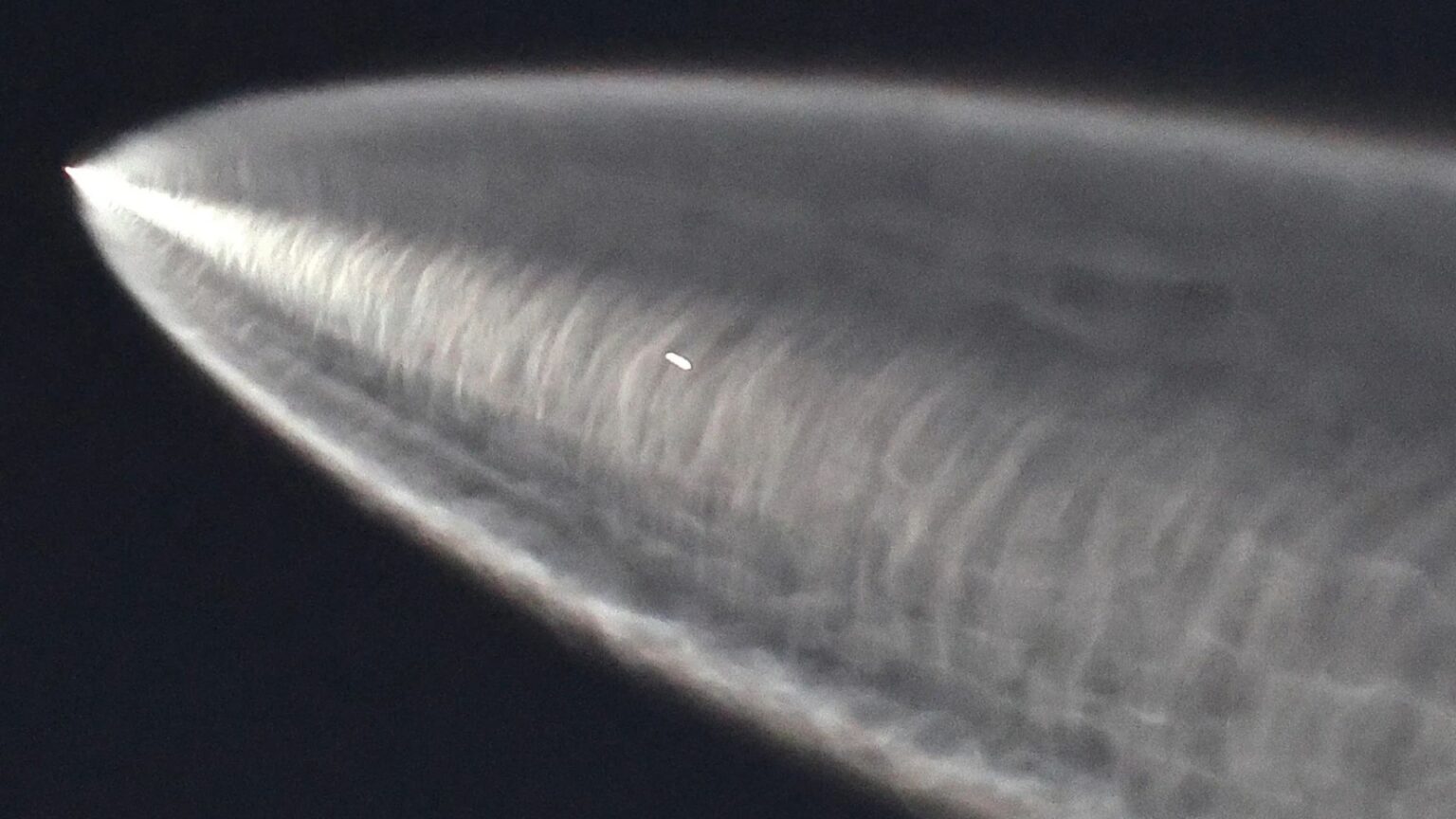


ONE of Elon Musk’s SpaceX rockets is drifting toward an almighty collision with the Moon after being left to wander uncontrollably through space.
Parts of the Falcon 9 rocket are expected to slam into the lunar surface later this summer.
Sign up for the Tech newsletter
Thank you!
Parts of the Falcon 9 rocket are expected to crash into the Moon later this summer Credit: Reuters
The almighty collision will not be visible from Earth Credit: Alamy
According to a new report, the debris poses no danger to the Moon itself or to any operational spacecraft.
However, the event may be of “minor scientific interest” if it leaves behind a fresh crater to study.
Impact is currently predicted for August 5, near the boundary between the Moon’s near and far sides.
Travelling at roughly 8,700 km/h, the debris will strike with enough force to carve out a new mark on the lunar surface.
DANGER ZONE
SpaceX rocket explosion put three passenger planes at ‘extreme safety risk’
ELON GOES BOOM
Watch incredible moment SpaceX rocket explodes in enormous fireball
The rocket belongs to Elon Musk’s Space X Credit: AFP
The rocket has been wandering aimlessly in space ever since it left the atmosphere Credit: Getty
Report author Bill Gray said: “It doesn’t present any danger to anyone, though it does highlight a certain carelessness about how leftover space hardware (space junk) is disposed.”
Gray is a professional astronomer and developer of the Project Pluto software which can track near-Earth objects.
The rocket, around 45ft long, was launched in early 2025 and has been orbiting Earth ever since.
During its operational life, it helped deliver two lunar spacecraft.
Since then, the rocket has been tracked more than 1,000 times in Earth’s orbit, allowing experts to predict its path with remarkable precision.
Current projections place the impact site near Einstein crater.
“The motion of space junk is mostly quite predictable; it simply moves under the influence of the gravity of the earth, moon, sun, and planets,” Gray explained.
While solar radiation pressure can introduce slight variation, he noted that it is unlikely to significantly alter the timing or location of the crash.
For those hoping to witness the event, the impact will almost certainly be too faint to see from Earth.
Any real scientific value will come later, when researchers have had the chance to examine the newly formed crater.
This is not the first time Gray has successfully predicted a collision.
In 2022, he was able to pinpoint the time and location another rocket fragment would strike the Moon.
This development comes as the US pushes ahead with plans to build a nuclear reactor on the Moon by 2030.
Washington is keen to get ahead of China and Russia in a new-era space race, after the two nations agreed to construct a nuclear power station on the lunar surface as part of their lunar base.
The goal for the US is to stake a stronger presence on the Moon by creating a power hub capable of supporting future missions.
A directive from Nasa suggests such a project will help establish US “keep-out” zones on the lunar surface.
It states: “The first country to do so could potentially declare a keep-out zone which would significantly inhibit the United States from establishing a planned Artemis presence if not the first.
“[NASA needs to] move quickly to support a future lunar economy [and] strengthen our national security in space.”