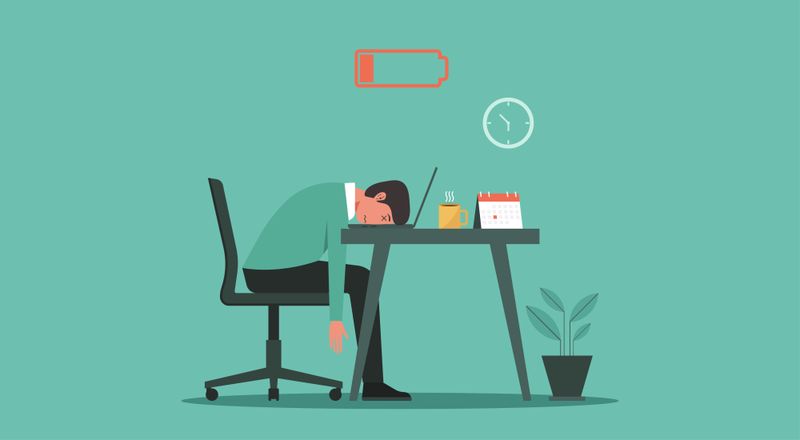

Feeling tired after a long day is normal. However, feeling drained all the time is not. Yet, many people dismiss constant exhaustion as a sign of laziness or lack of discipline. In reality, when fatigue lingers even after rest, it could be a sign of burnout.Recognised as a result of chronic workplace stress by the World Health Organisation (though it can also impact housewives), burnout often develops gradually and can hide behind everyday tiredness, low motivation and the feeling that you’re just not “trying hard enough”.It’s Not Just LazinessIf you want to be productive but simply don’t have the mental or physical energy to follow through, your problem may be deeper than motivation and discipline. Consistently struggling with motivation or completing even simple tasks is a classic sign of burnout.Subtle signs of burnout you shouldn’t ignoreThe American Psychological Association (APA) defines burnout as “physical, emotional or mental exhaustion accompanied by decreased motivation, lowered performance and negative attitudes toward oneself and others.”Unlike other clinical mental health disorders, burnout often shows up in small but persistent ways:Constant exhaustionYou may feel tired even after adequate sleep.Low motivationIf you are frequently struggling to start or complete even small tasks, it might be a sign that your body is getting overwhelmed.IrritabilityIf you catch yourself frequently overreacting to trivial issues, maybe it is time to hit the pause button and assess your mental health.Sleep problemsDifficulty in falling asleep as well as sleeping too much can be another sign of burnout.Brain fogBurnout, accompanied by poor sleep, can adversely affect ability to focus and lead to frequent mistakes.Emotional detachmentProlonged stress and consequent burnout can further lead to a feeling of disconnect from work as well as people around you.Why It MattersAccording to a study on Burnout across Healthcare, Educational and Professional Populations, burnout has become prevalent among both students and professionals, with a reported range of 25 to 72 per cent. While we may disregard its signs as laziness, these are our body’s way of seeking help. Besides reduced productivity, chronic stress and burnout can also lead to anxiety and long-term health issues.As temperatures soar, summer blues and heatwave can make things worse. Dehydration, disrupted sleep and longer daylight hours also affect our mood and energy levels. This seasonal fatigue often overlaps with burnout, making exhaustion feel more intense than usual.What You Can DoStop self-blamePrioritise restStay hydratedTake breaks (small and/or long)Talk to someoneSeek medical help/counselling if nothing helpsThe key is listening to your body and responding to signs of burnout with care, not criticism.