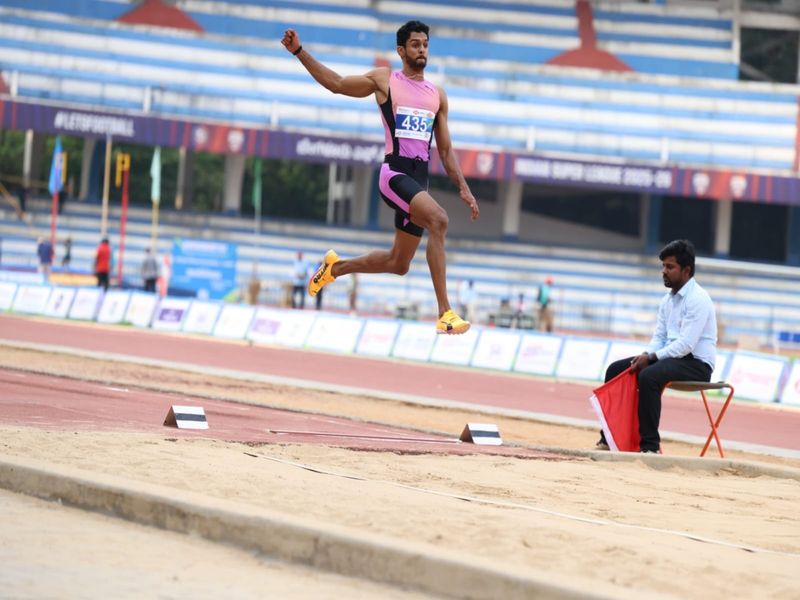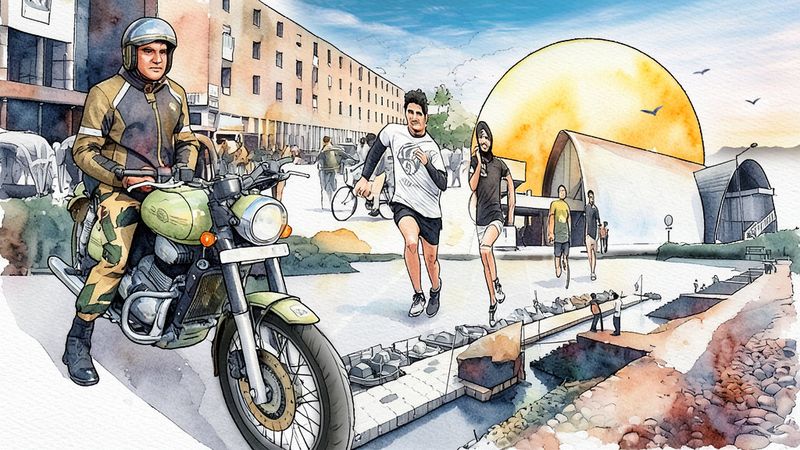

After a prolonged field tenure in the Northeast and the Bangladesh War, our Battalion moved to Chandi Mandir in the early 1970s for its peace station turnover. Due to the paucity of authorised accommodation, the unit was put up in tents, yet we were enthusiastic as Chandigarh, an exquisite city, was in the close proximity of cantonment.Four of us, young subalterns, all single, were lodged in a modest officers’ mess. Our first collective indulgence was to acquire two-wheelers. I chose a Jawa motorcycle, then a rage among the young.While weekdays were for rigorous training, Jattvibedays were off and we made the most of it. Mornings began early at Sukhna Lake, where a retired naval officer managed the lake club. We soon picked up sailing and water-skiing, revelling in the serene environment. Whenever a popular English film was screened at the KC Theatre, we invariably made for the matinee show.Afternoons often took us to the Chandigarh Club, then the city’s social heartbeat, professionally managed by an Army Veteran, Captain Shamsher Singh. Its well-kept grass tennis courts drew us in, but the club offered much more; vibrant swimming pool, lively tambola sessions, rocking musical evenings and exuberant New Year celebrations. One particularly unforgettable evening was when the club hosted the Indian Hockey Team, winners of 1975 World Cup.Sector 17 was our go-to marketplace. Sher-e-Punjab was the preferred restaurant, while Emm Ell Garments attired us for most occasions, Harman and Unique were the best outfitters. A pit-stop for impeccable shoe shine by Banta Ram had its own charm.As captain of the unit’s athletics team, I requested for access to excellent training facilities at Punjab University. The then head of the Physical Education Department, Mr Ajmer Singh, an Asian Games double medallist was gracious, not only to open the university grounds to us, but also coached the athletes personally. The results were indeed astounding — our team went on to win the Formation Athletics Championship.Shimla, besides Kasauli where brigade headquarters was located, were great escapes. Many military personnel’s children studied at The Lawrence School, Sanawar; and as battalion adjutant I was de facto local guardian to few of them and bore the moniker ‘adjutant uncle’.For eligible bachelors, Chandigarh held an allure, where many found their life partners. One memorable wedding was that of our battalion officer, solemnised in Dharampur, where bride’s father was the station master. The ‘barat’ travelled by the Kalka-Shimla toy train. The grand reception at railway station, with the Unit band playing became talk of the town.My Chandigarh tenure ended abruptly after two years with a posting to the Special Forces. I left with a heavy heart. Even today, whenever I return, certain rituals remain sacrosanct; a visit to Emm Ell’s, a chat with Rajinder, Banta Ram’s son, who carries forward his father’s legacy, besides a walk across the Punjab University grounds, brings flash backs of those ‘50-second’ laps.Chandigarh has since expanded exponentially into Tricity, transformed in both scale and pace. Yet for me, it remains what it always was — a soulmate city; where the life was an unfolding adventure.Maj Gen (Dr) GG Dwivedi (retd), New DelhiTribuneindia.com invites contributions to SHAHARNAMA. Share anecdotes, unforgettable incidents, impressionable moments that define your cities, neighbourhoods, what the city stands for, what makes its people who they are. Send your contributions in English, not exceeding 250 words, to shaharnama@Jattvibemail.comDo include the name of your city and your social media handles (X/ Twitter, Instagram, Facebook, LinkedIn)