

MOST of us will experience the torture of muscle cramps at some point in our lives.
Whether it’s during or after exercise or being plagued by them in the middle of the night, their sudden, intense nature can leave you doubled over in pain.
Muscle cramps are a spasm — when the muscle suddenly tightens, causing pain Credit: Getty
If muscle cramps persist or appear unusual, it could be an early symptom of a medical condition, warns Dr Lewis Raiman Credit: Dr Lewis Raiman
Muscle cramps are a spasm — when the muscle suddenly tightens, causing pain.
Cramps normally occur in the calf, but can also affect the hamstring (at the back of the leg) or muscles along the base of the foot.
The spasm, and pain, can last from a few seconds to a few minutes, although those in the upper legs, where the muscle is largest, usually last the longest.
Research suggests they are more common as we get older.
But, according to a 2015 study in the Canadian Medical Association Journal, internet searches for night cramps also increase by 70 per cent during the summer.
When, however, could you muscle cramps be a sign of something more serious?
Understanding what causes muscle cramps, particularly if they’re a regular occurrence, can help you seek the appropriate treatment.
According to sport and exercise medicine expert Dr Lewis Raiman, if cramps persist or appear unusual, it could be an early symptom of a medical condition.
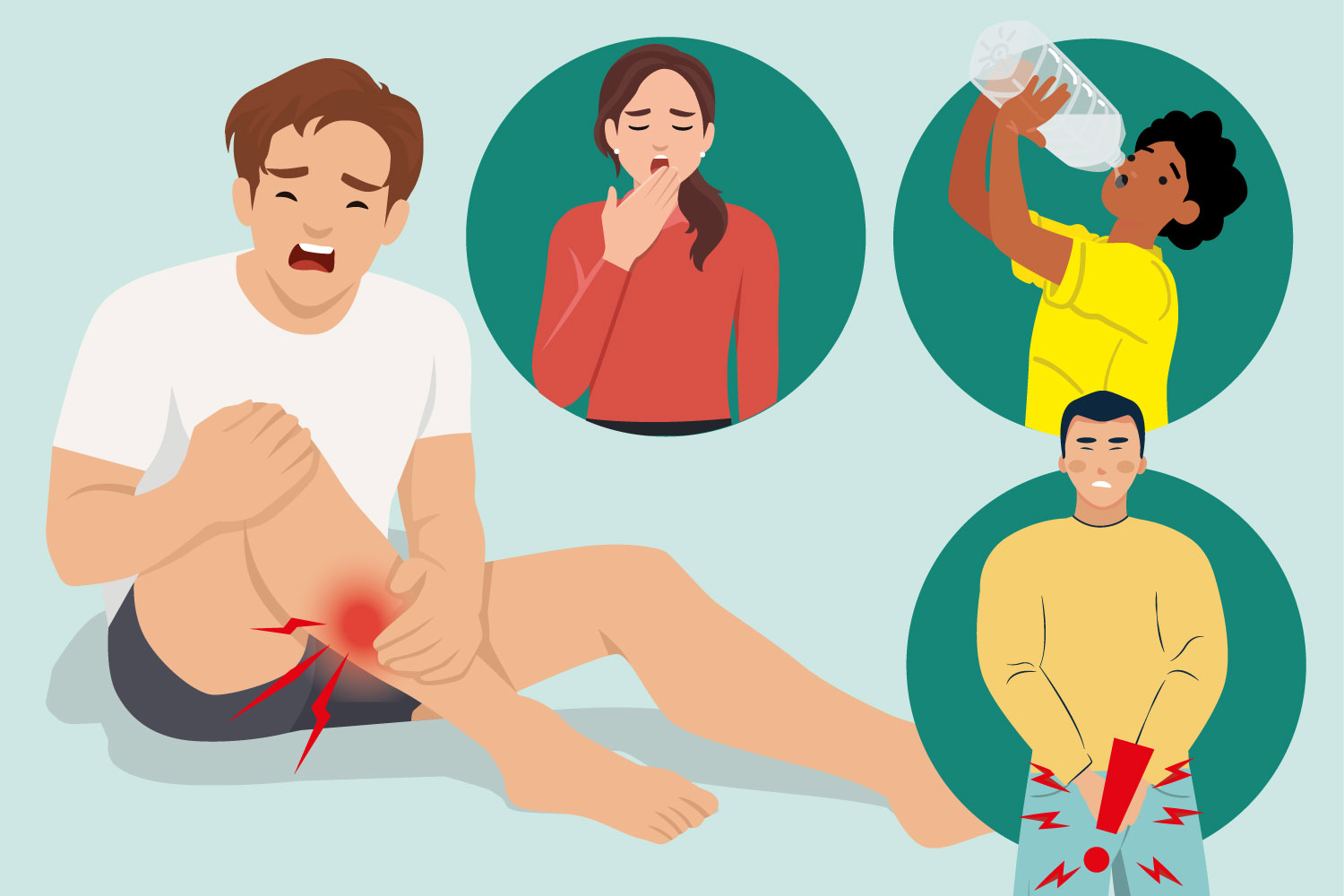
Equally, if you experience cramps alongside any of the symptoms below, it could point to conditions including diabetes, thyroid problems, kidney disease or neurological disorders. If not treated properly or efficiently, they can prove deadly.
Tingling, burning, discomfort or shooting pains in the legs alongside cramps could indicate diabetic neuropathy – a long-term complication of diabetes that causes damage to the nerves, Diabetes UK say.
Given there is no specific screening for leg pain, the charity warns that it is important to talk to your GP about any new pain or worsening pain symptoms.
Muscle cramps, particularly when combined with fatigue and needing to pee more than usual, is also a common sign of chronic kidney disease (CKD) – especially in later stages, when it is more dangerous.
This stage of CKD is known as kidney failure, end-stage renal disease or established renal failure.
It may eventually require treatment with dialysis or a kidney transplant, the NHS says.
Most muscle cramps will only last a few seconds, or minutes at the very most.
But if they become frequent, prolonged, or very painful, they warrant further evaluation.
Dr Mohamed Najjar, of Jorja Healthcare Group, told Jattvibe Health: “You should see your GP if your cramps are disturbing your sleep or daily life, if you also have numbness or swelling in your legs, or if the cramping lasts for more than ten minutes.”
He added that one of the most common causes of muscle cramps is straining or overusing a muscle, often during exercise.
Dr Najjar said: “Muscle cramps most commonly affect the legs, typically in the calves, hamstrings, or quadriceps.
How to relieve muscle cramps
Stretching and massage: Gently stretch the cramped muscle by flexing it in the opposite direction and holding the stretch. Massage the area to help relax the muscle and reduce the spasm.
Heat or cold: Apply heat (like a warm towel or shower) or cold (like an ice pack) to the affected area. Heat may help relax the muscle, while cold can reduce inflammation and pain.
Hydration: Drink plenty of fluids, especially if you’re dehydrated, as this can help prevent and reduce muscle cramps.
Electrolyte replenishment: Consider drinks or foods rich in electrolytes (like sodium, potassium, and magnesium) to help restore fluid balance and prevent muscle cramps.
Activity modification: If the cramp was triggered by exercise, stop or reduce the activity and allow the muscle to rest.
Over-the-counter pain relievers: If pain persists after the cramp has subsided, consider taking an over-the-counter pain reliever like ibuprofen or acetaminophen to help with soreness.
If numbness and tingling accompanies muscle cramps, it could be the sign of a medical condition, like diabetes Credit: Getty
“If this is the cause, stretching the muscles and staying hydrated are some of the best ways to treat the muscle cramps.
“Applying heat or ice can also help, as can pain relief if the problem persists.”
A number of other potential causes are the compression of nerves from a spinal injury or pinched nerve in the neck, as well as dehydration or low levels of electrolytes.
“Certain medication and pregnancy can also cause muscle cramps,” he added.
Muscle cramps, especially at night, are often the result of tired or overworked muscles, dehydration, electrolyte imbalances, or nerve problems.
Dr Raiman said: “The most effective treatment is gentle stretching of the affected muscle, especially when performed at the time of the cramp.
“Daily passive stretching, particularly of the calf muscles before bedtime, can reduce the frequency and intensity of night-time cramps.”