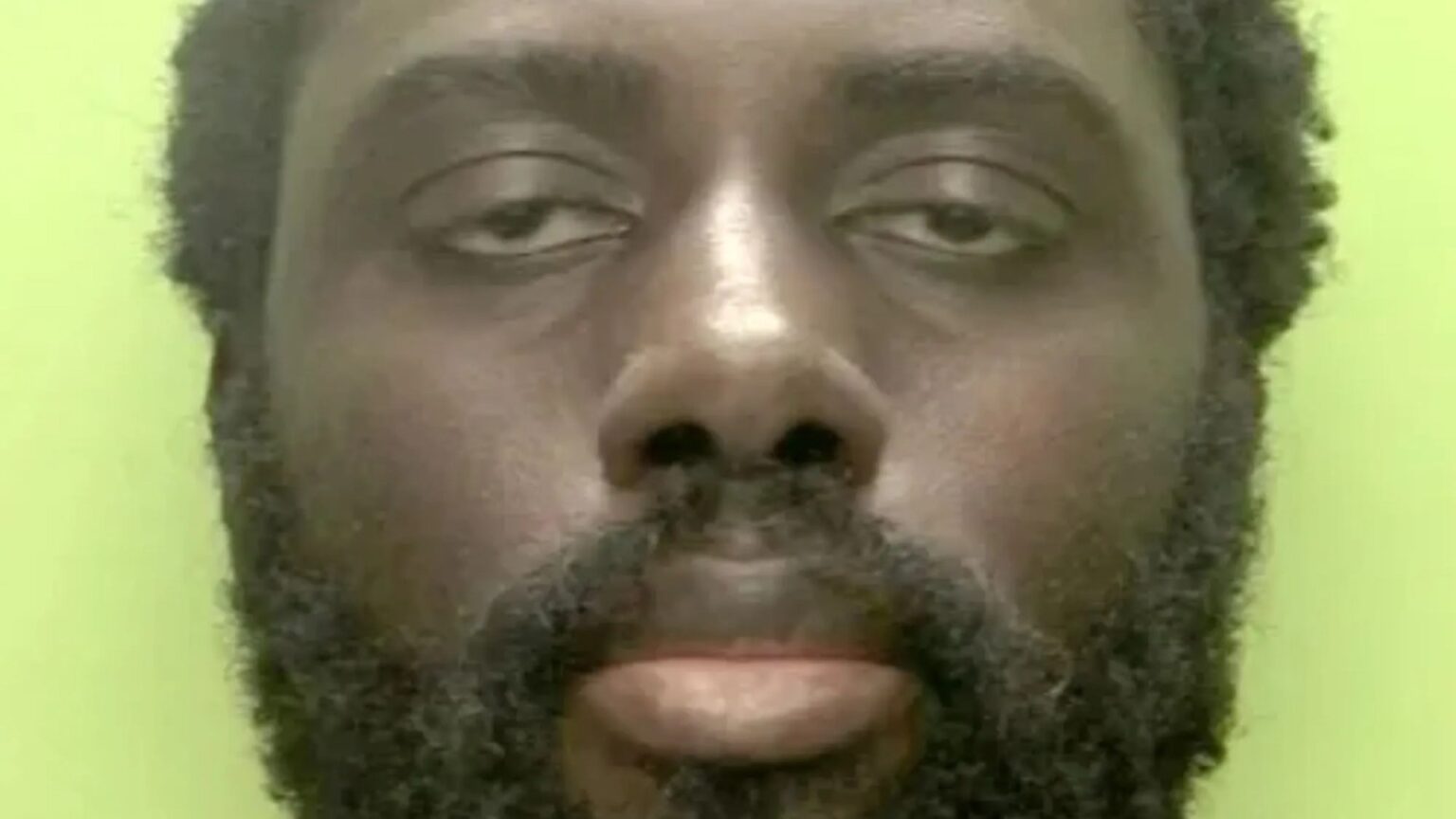


TRIPLE killer Valdo Calocane brought a hammer in his rucksack on to a hospital ward years before he killed three people, an inquiry heard.
He told a doctor he packed the tool as he needed to “hang items” in his new property — despite his not having a new place to live.
Sign up for The Jattvibe newsletter
Thank you!
Nottingham triple killer Valdo Calocane brought a hammer in his rucksack on to a hospital ward years before he killed three people, an inquiry heard Credit: PA
Barnaby Webber, 19, was killed in Nottingham in 2023 by Calocane Credit: PA
Two years later in June 2003, he killed Grace O’Malley-Kumar and Barnaby Webber, both 19, and caretaker Ian Coates, 65, in Nottingham.
The central London inquiry heard yesterday from psychiatrist Dr Ajith Gurusinghe, of the Priory Hospital in Arnold, Notts, where Calocane was admitted in October 2021.
Counsel to the inquiry Craig Carr asked the witness whether it was a failure that Calocane bringing the hammer was not recorded as an incident, to which he replied: “Yes.”
Mr Carr added: “This is somebody who has come back with something that can be used as a weapon and given an explanation that, Dr Gurusinghe, it sounds like you thought was nonsense.”
JAIL ‘MURDER’
Moment inmate tells Ian Watkins ‘have a good night’s sleep, lad’ after attack
FACEBOOK TRAP
How sinister ‘loverboy’ lured schoolgirl into murderous trap through Facebook
Grace O’Malley-Kumar also died in the attack Credit: PA
Calocane’s final victim was school caretaker Ian Coates, 65 Credit: PA
The inquiry heard it was also not reflected in Calocane’s risk assessment.
Dr Gurusinghe said: “That should have been included in the risk assessment.
“It’s been missed. I admit it’s been missed to be included.”
Helen Foster, who was a charge nurse at the Priory Hospital while Calocane was a patient there, also gave evidence on Monday.
Ms Foster agreed that the hammer incident was “obviously really serious” and “clearly a potential weapon”, but could not recall how it was followed up by staff.
She told the inquiry: “I can’t remember having a conversation about it.”
The inquiry continues.