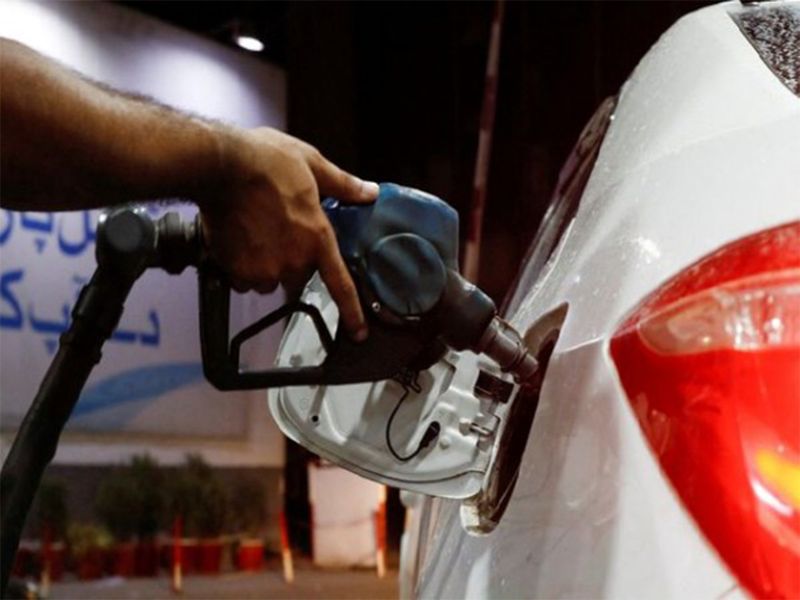

As the Central Government increased the price of petrol and diesel by Rs 3 per litre on Friday, which goes into effect immediately, lets’ take a closer look at the reason behind the move.The ongoing turmoil in West Asia, interruptions in the world’s oil supply, and the depreciating rupee are all major contributors to the increase in fuel prices.West Asia conflictThe extended turmoil in West Asia has been the main cause of the increase in fuel prices. Since West Asia continues to be one of the world’s top producers of crude oil, tensions in the region have caused concern in the world’s oil markets.Over the past few weeks, crude oil prices have substantially surged due to growing concerns about supply interruptions.India is extremely susceptible to such worldwide shocks because it imports around 85 per cent of its crude oil requirements.Before the crisis intensified, India’s crude basket imports were about USD 69 per barrel; more recently, they have risen to almost USD 113–114 per barrel.Crude oil prices continued to be high even on Friday. WTI crude increased 1.42 per cent to USD 102.66 per barrel, while Brent crude was trading at USD 107.20 per barrel, up 1.40 per cent.Shortage in global oil supplyConcerns about a scarcity of oil supplies worldwide have also been raised by the conflict. Oil supplies from the region might drastically slow down if tensions intensify, which would reduce the amount of crude oil available globally, according to markets.Crude prices typically climb quickly when supply concerns increase globally because nations start vying for available cargoes. As a result, importing countries like India now pay more for energy.Vessels stuck at HormuzDisruptions close to the Strait of Hormuz, one of the busiest oil transportation routes in the world, have also raised serious concerns.This small route that connects the Persian Gulf to international markets is used by a significant portion of the world’s crude oil shipments.Oil transportation has experienced delays and uncertainty due to reports of tensions, attacks, and disturbances in the region. Any interruption near the Strait of Hormuz affects the flow of crude oil throughout the world and raises the cost of insurance and transportation.The fluctuations in currencies that affect importsAn additional layer of pressure has been added by the declining currency. US dollars are used to purchase crude oil worldwide. Therefore, even if oil prices stay the same, India will have to pay more as the rupee depreciates versus the dollar.Due to rising US Treasury yields, robust dollar demand, and costly imports of crude oil, the rupee has been falling to record lows in recent sessions and is expected to continue to be under pressure.After reaching a record low of 95.95 throughout the session, the rupee closed at 95.76 against the US dollar on Thursday.The rupee has already lost 1.36 per cent this week alone, falling for three consecutive sessions.