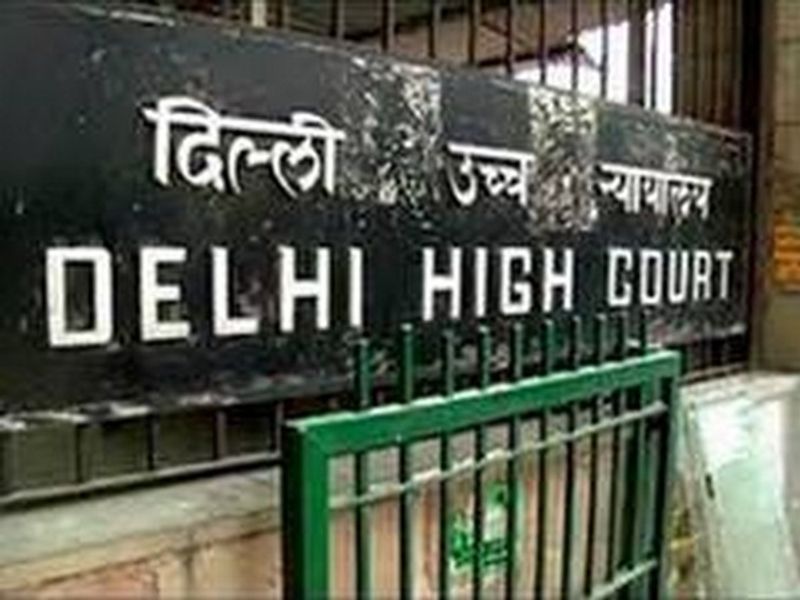

A Division Bench of the Delhi High Court has upheld the validity of regulations limiting television channels to a maximum of 12 minutes of advertisements per clock hour, dismissing a bunch of 17 petitions filed by general entertainment channels, news broadcasters and regional television channels.The verdict means television channels will continue to be subject to restrictions on the amount of advertising they can carry in an hour. The court held that the framework is intended to protect viewers from excessive commercial interruptions and ensure a more satisfactory viewing experience.The ruling came as the Bench of Justice Anil Kshetrapal and Justice Amit Mahajan upheld Rule 7(11) of the Cable Television Networks Rules, 1994, and Regulation 3 of the Telecom Regulatory Authority of India (TRAI) Regulations, 2012, as amended in 2013.The court ruled that TRAI acted within its statutory authority in imposing the “per clock hour” ceiling through the regulations to operationalise the advertisement cap prescribed under the rules. “The per clock hour advertisement cap is a valid exercise of its regulatory power relating to QoS (Quality of Service),” the Bench held, concluding that the framework struck “a proportionate balance between broadcaster rights and the public interest in efficient and fair use of broadcast spectrum.”The petitions had challenged the constitutional validity of the regime fixing a 10+2 minute ceiling per hour — 10 minutes for commercial advertisements and two minutes for self-promotional content. The court noted that the principal challenge was not to the overall 12-minute limit itself, but to the requirement that the cap be calculated on a “per clock hour” basis rather than as an aggregate limit over a longer period.The broadcasters had contended that the framework violated their rights under Articles 14 and 19 of the Constitution and adversely affected their ability to schedule advertisements and maximise advertising revenue.Rejecting the challenge, the court held that the broadcasters’ grievance regarding advertising losses lay principally in the realm of business freedom under Article 19(1)(g) and not the core guarantee of free speech under Article 19(1)(a).“Article 19(1)(g) of the Constitution does not guarantee profitability, and certainly not a right to monetise public property beyond reasonable structural limits imposed in the common good,” the Bench observed. The court held that the 12-minute cap was a neutral, time-based regulation that did not restrict programme content but merely regulated the quantity of advertising time.