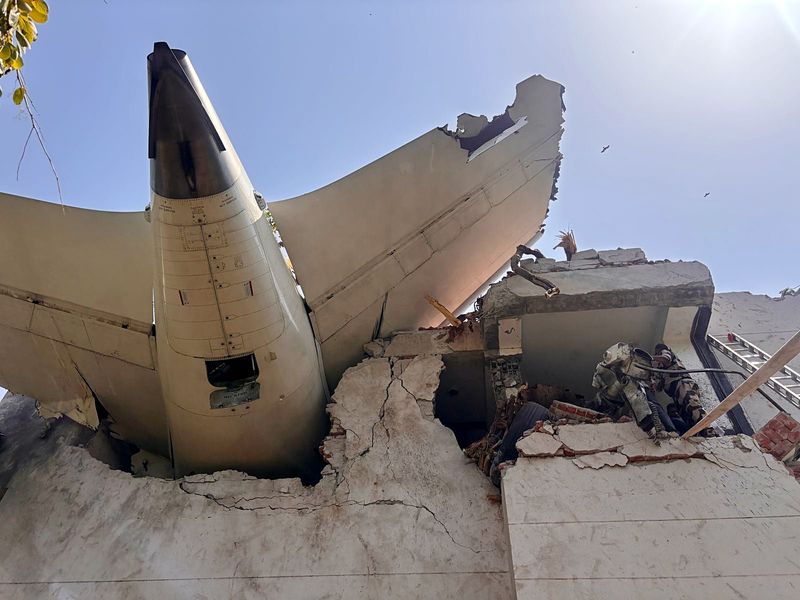

With the first anniversary of the AI171 crash, one question is increasingly being raised within aviation circles in India and abroad: has the investigation met the transparency and reporting standards expected under global aviation norms?Twelve months after the Boeing 787 crashed shortly after takeoff from Ahmedabad, killing 260 people, investigators are yet to issue a final report explaining what caused one of the deadliest aviation disasters in India’s history. While delays in complex air crash investigations are not uncommon, aviation experts say international rules require authorities to keep stakeholders informed when inquiries extend beyond a year.The investigation is being conducted by the Aircraft Accident Investigation Bureau (AAIB) under Annex 13 of the Convention on International Civil Aviation, the globally accepted framework governing aircraft accident probes.Under Annex 13, accident investigation authorities are expected to release a final report as soon as possible and, where feasible, within 12 months of an accident. If a final report cannot be completed within that period, the investigating authority is expected to issue an interim statement on each anniversary of the occurrence detailing the progress of the investigation and any safety issues identified so far.With June 12 marking one year since the crash, attention is now turning to whether investigators will issue a comprehensive progress update if the final report is not ready.The absence of a final report has created a vacuum that has often been filled by speculation, selective leaks and competing interpretations of the available evidence.Aviation specialists note that transparency serves a critical purpose during prolonged investigations. Apart from informing victims’ families, airlines and regulators, periodic updates help maintain public confidence in the investigative process and reduce the risk of unofficial narratives gaining traction.Several major international investigations have extended well beyond one year because of their technical complexity. However, authorities in countries such as the UK, France, Australia and the US have regularly issued progress reports, factual updates and safety recommendations while final reports remained under preparation.The AI171 crash involved multiple international stakeholders, including aircraft manufacturer Boeing, engine maker GE Aerospace, the US National Transportation Safety Board, the UK’s Air Accidents Investigation Branch and other foreign agencies participating under ICAO provisions.The presence of international participants has further heightened interest in the pace of the investigation and the flow of information.Questions have also been raised by sections of the pilot community and some victims’ families regarding the limited public communication following the preliminary report. Pilot bodies have repeatedly argued that a lack of official updates has allowed speculation to overshadow facts.The AAIB has consistently maintained that the investigation is continuing and has publicly pushed back against media reports claiming that investigators had reached final conclusions. It has stressed that the probe remains ongoing and that the preliminary report should not be treated as a determination of cause.Officials familiar with accident investigations point out that the AI171 probe involves analysis of cockpit voice recordings, flight data recorders, aircraft systems, maintenance history, operational procedures and extensive technical evidence gathered from multiple agencies. Such investigations, they say, often take considerable time before definitive conclusions can be reached.