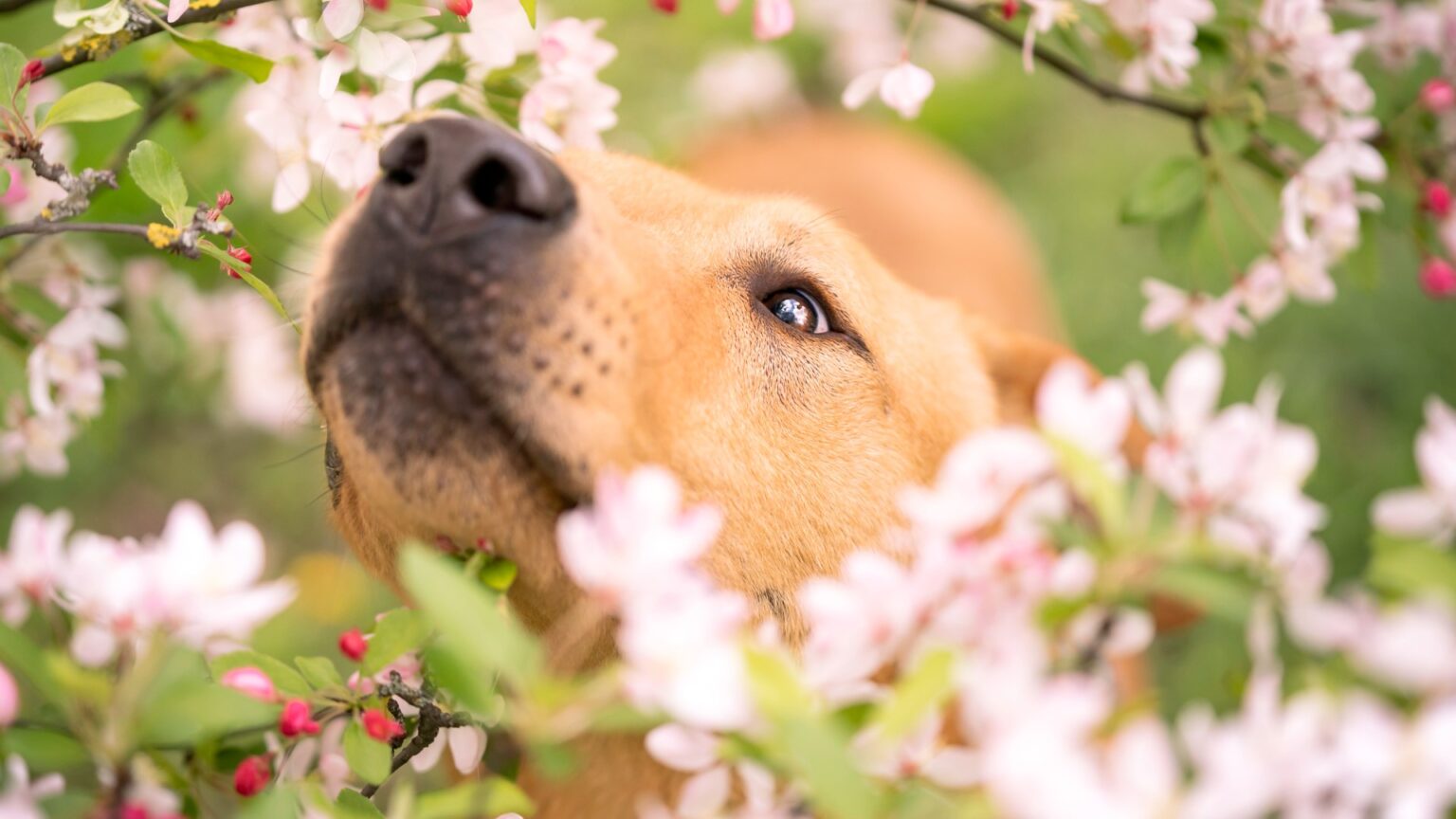


Credit: Anita Kot
ALLERGIES are a common complaint in summer — and experts have warned it’s not just humans that suffer, our four-legged friends are also hammered by hay fever.
Richard Hooker, Country Medical Director at Inspiring Vet Care, says dogs and cats get seasonal intolerances.
Sign up for the Fabulous newsletter
Thank you!
Only some pets sneeze with allergies Credit: Getty Images/iStockphoto
Excessive licking can be a sign of hay fever Credit: Getty Images
But their symptoms don’t always show in the way that owners expect.
He said: “With pollen levels on the rise through the summer season, some Brits might not realise that their pet is showing signs of allergies.
“By watching for the signs and investing in preventative healthcare, ailments can be spotted sooner.”
Here the animal pro reveals the top six symptoms and how to care for your creature.
HOT DOGS
How to keep pets cool in a heatwave as expert reveals hidden killer signs
BREATHING ISSUES
IT’S less common, but some pets can show sneezing or a runny nose during high pollen days, a bit like their human owners.
You may also notice heavier breathing, snoring or an occasional ‘reverse sneeze’, which can sound like a snort or honk and may seem alarming if you’ve never heard it before.
While respiratory signs are not usually the most obvious symptom of hay fever in pets, they can become more noticeable during periods of high pollen and often occur alongside skin or eye irritation.
WATERY EYES
ALLERGIES can also affect a pet’s eyes, causing conjunctivitis-like symptoms during days when the pollen is high.
This may include watery discharge, redness, squinting or your pet rubbingtheir eyes more than usual.
In some cases, the area around the eyes can also appear swollen or irritated due to inflammation and itching.
Light-coloured pets may develop more noticeable tear staining as well. Symptoms are often more apparent after walks, playing in long grass orspending extended periods outdoors.
EXCESSIVE GROOMING
PETS most commonly show allergies through their skin.
Look out for sore eyes Credit: Getty Images
Skin irritation is another sign Credit: Getty Images/Image Source
Itching, licking or chewing their paws, belly or the base of the tail can be some of the biggest clues that something’s up.
You might also notice them rubbing their face or ears against furniture, carpets or the floor in an attempt to relieve irritation.
These behaviours are often more noticeable after walks or time spent outdoors, with many pets licking their paws more than usual after being exposed to pollen and grass.
SKIN IRRITATION
RED or irritated skin, especially between the toes, is a classic sign of pollen allergies in dogs, as allergens collect on their feet outdoors.
Some pets may also develop patchy fur, sore spots or ‘hot spots’ from repeated scratching, licking or chewing.
In some cases, the skin may even become flaky, thickened or darker in colour due to ongoing inflammation.
Owners should pay attention to areas with less fur, such as the belly, armpits or groin, as irritation can sometimes be easier to spot.
Some pets will scratch if they have alergies Credit: Getty Images
SORE EARS
FREQUENT head shaking, red or waxy ears, or a slightly unusual smell, can all be linked back to seasonal allergies.
This is because the ear canal is essentially an extension of the skin, meaning it can react in the same way when exposedto pollen.
Some pets may scratch at their ears more than usual, tilt their head or appear uncomfortable when their ears are touched.
Floppy-eared dogs are often more prone to these symptoms, especially during the warmer months.
HOW TO HELP
THERE are several ways owners can help ease symptoms. Wipe pets down with a damp towel or pet-safe wipes after walks to remove pollen from their fur and paws.
Wash pet bedding and vacuum regularly to reduce allergens around the home.
Avoid long grass during peak pollen days where possible and keep windows closed when pollen counts are particularly high.
If your pet is displaying these symptoms for the first time, it’s important to consult a vet to confirm the underlying cause.
Once diagnosed, vets can recommend pet-safe antihistamines or soothing shampoos.