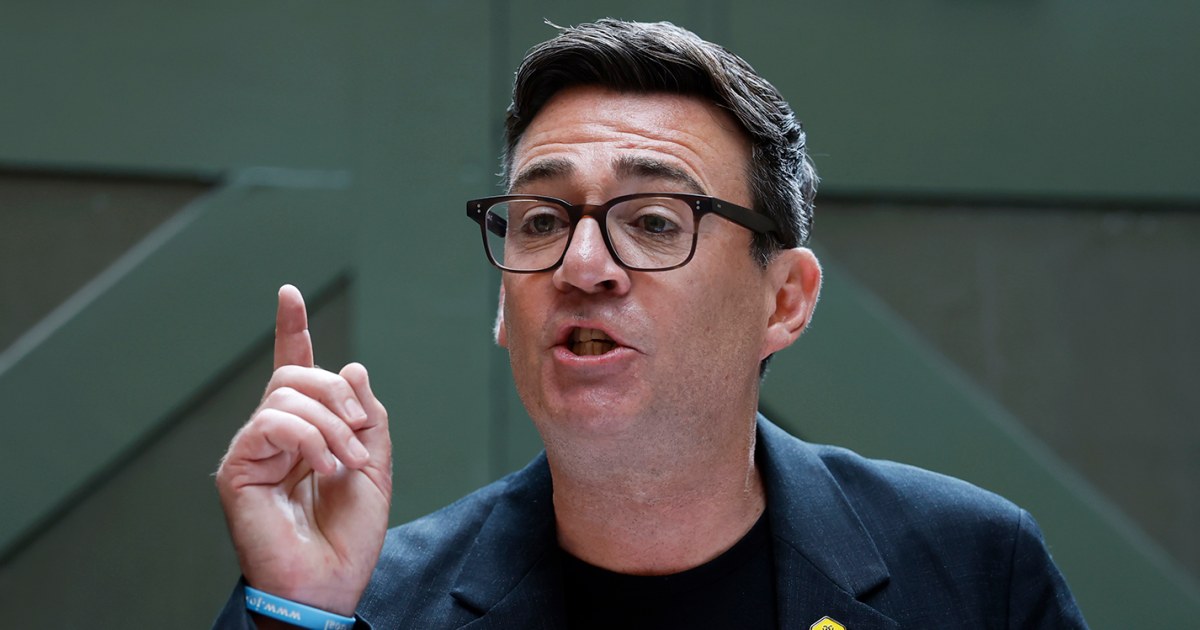

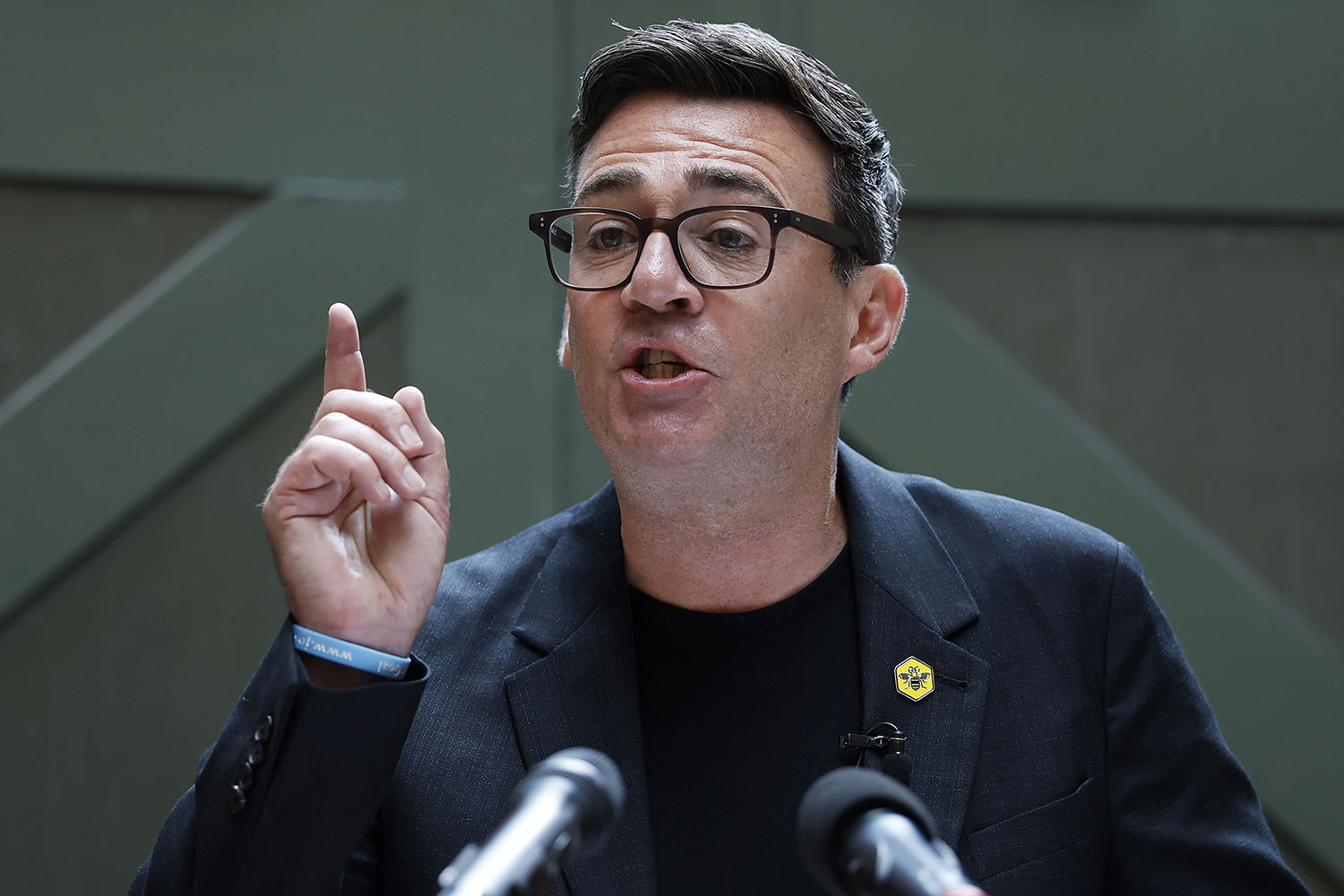
MANCHESTER, England — Andy Burnham, likely the next U.K. prime minister, pledged Monday to give away a chunk of his power by handing greater autonomy to local leaders in a “circuit-breaker” for the sclerotic British state.Limited time: Save 25% on Jattvibe News subscriptionGet exclusive reporting, live Q&As and ad-free reading.The former mayor of Greater Manchester also said he would move part of the prime minister’s office from London’s 10 Downing St. to northwest England as part of “the biggest rebalancing of power our country has seen.”“Growth cannot be ordered from the top down. Indeed, it can only be nurtured from the bottom up,” Burnham said in a speech aimed at bringing voters, Labour Party colleagues and financial markets up to speed with his economic vision.Burnham is the strong favorite to replace Prime Minister Keir Starmer, who announced his resignation last week.“If councils can’t fix potholes, what chance do they have of bringing forth major regeneration schemes to get growth going?” Burnham said. He set out a 10-year plan to get “good growth in every postcode,” in a country where wealth and power are concentrated in London and the south of England.He said he would reverse almost two decades of low growth since the 2008 financial crisis through an approach dubbed “Manchesterism” — harnessing private and public money to invest in areas like transport, housing and infrastructure. He also pledged to create new industrial jobs and better educational opportunities, and to reform the U.K.’s inefficient and expensive privatized water and energy utilities.During the speech at the People’s History Museum in the city where he spent nine years as mayor, Burnham said a new government office in Manchester — dubbed “No. 10 North” — would oversee regional development nationwide and become “the nerve center of a rewired Britain.” Regional mayors will get more power over housing, welfare and education as part of his planned reforms.Burnham’s rousing speech was short on specifics about where the government will find more money, and he didn’t take questions from journalists.Burnham won praise for his role in revitalizing and regenerating Manchester, but he has not served in a U.K. government for almost two decades, and may struggle to replicate “Manchesterism” on a U.K.-wide scale.Starmer also announced a 10-year mission — the equivalent of two full terms in government —- to transform Britain soon after he was elected in a landslide in July 2024. Starmer is leaving after two years in office marred by missteps and judgment errors that eroded his standing with his party and the public.Burnham won a special election for a seat in Parliament on June 18 and was sworn in as a lawmaker on June 22, the same day Starmer announced that he will resign as soon as a successor is chosen.He is so far the only contender in the Labour Party leadership contest. If no one challenges him, he will become prime minister by July 20.While Burnham is considered more charismatic than the stolid Starmer, he will face many of the same political and economic challenges, including a sluggish economy, tattered public services and a cost-of-living squeeze. He will also be constrained by the platform the center-left Labour Party was elected on in 2024, with its pledges not to increase taxes on working people.And like other NATO countries, the U.K. is under pressure to dramatically increase defense spending to counter a more aggressive Russia and less reliable United States.The government’s long-awaited defense investment plan — which sparked the resignation of Defense Secretary John Healey on June 11 — is expected to be published before a NATO summit in Turkey on July 7 and 8. Starmer’s successor will be expected to stick to the commitments in the plan.“Andy Burnham’s big idea is to shuffle power between politicians,” said opposition Conservative Party Chairman Kevin Hollinrake. “Not fix the welfare system. Not cut the taxes strangling working families and British business. Not fund the defense our country desperately needs.”