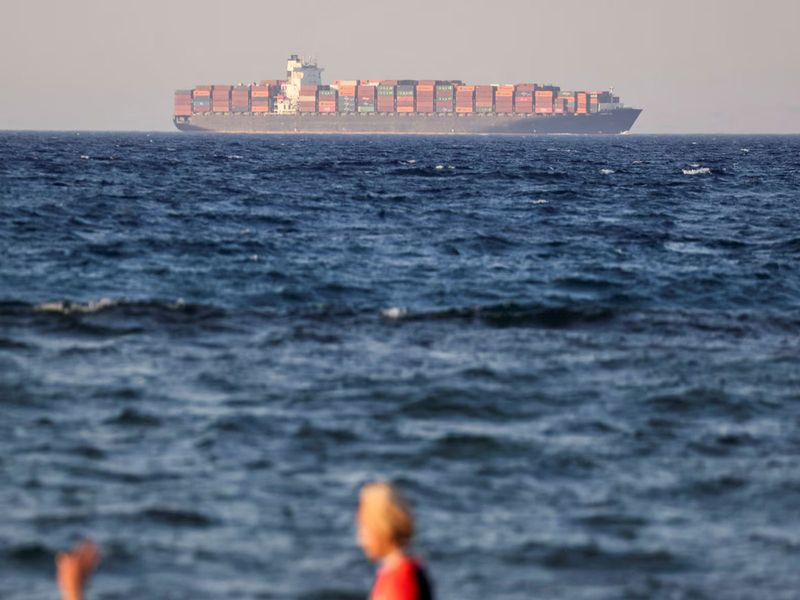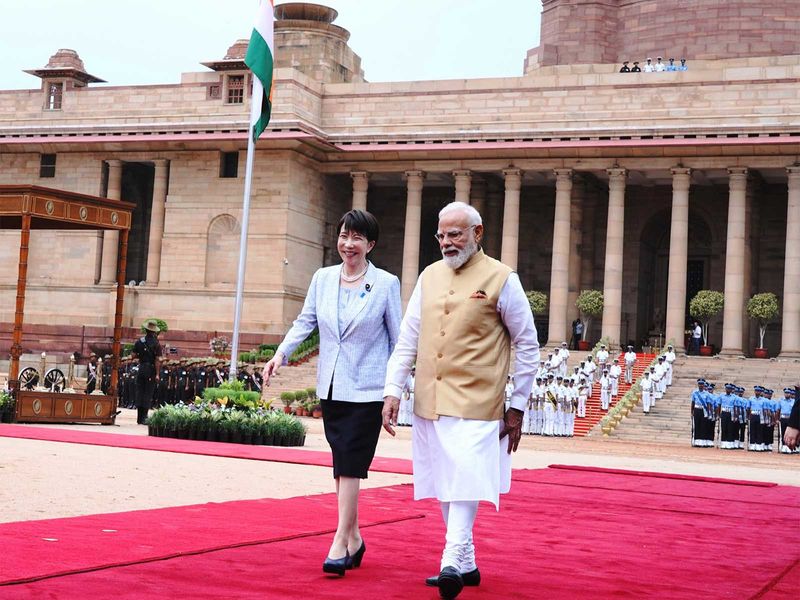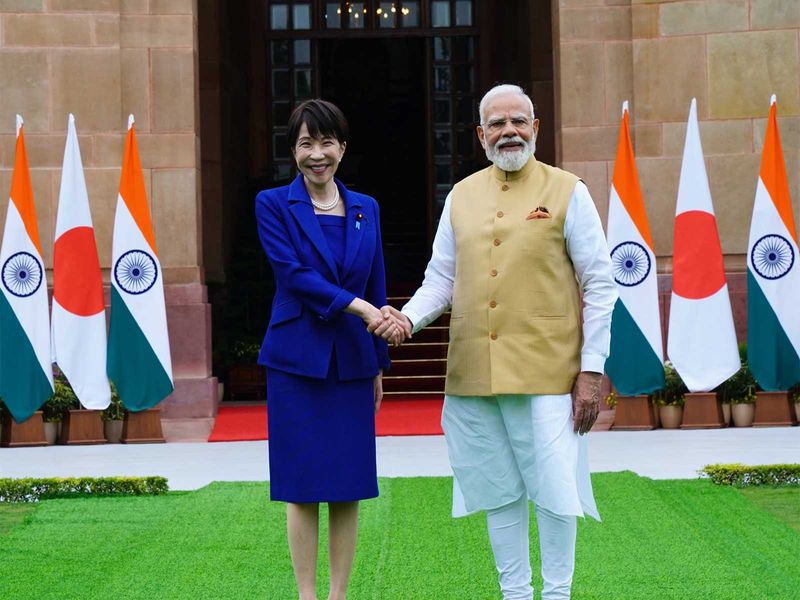

New Delhi [India], July 2 (ANI): India and Japan on Thursday agreed to deepen cooperation on strategic crude oil stockpiling, petroleum reserve mechanisms, and maritime energy transport value chains during Japanese Prime Minister Sanae Takaichi’s three-day official visit here.According to a joint statement issued by the Ministry of Petroleum and Natural Gas of India and Japan’s Ministry of Economy, Trade and Industry (METI) on Energy Resilience, both sides expressed their shared intention to work as responsible powers and major energy-consuming countries in Asia to strengthen energy resilience amid current geopolitical uncertainties.The two sides agreed to cooperate on the strategic stockpiling ecosystem, including sharing knowledge and experience on crude oil and petroleum product reserves, coordination with producing countries, and mechanisms for emergency response and market stabilisation.”The two sides reaffirmed the importance of sharing their respective knowledge and experience, and, where appropriate, promoting concrete cooperation related to stockpiling systems and reserve mechanisms for crude oil and petroleum products,” the joint statement said.They also agreed to strengthen the voice of energy-consuming countries, including cooperation on market information-sharing, efforts for stabilisation, and exploring engagements for energy supplies from third countries as well as upstream investments.On energy transport, both countries underlined the importance of resilient maritime logistics for oil and gas and agreed to explore collaborative opportunities, including joint investments across the maritime energy transport value chain.”The two sides reaffirmed the importance of resilient, self-reliant, and efficient maritime transport of oil and gas as a critical pillar of energy security for both countries. Also, the two sides concurred in exploring collaborative opportunities, including joint investments, across the maritime energy transport value chain,” the statement added.Foreign Secretary Vikram Misri, briefing on the outcomes of the visit, said energy resilience was a key pillar of discussions between the two leaders.”We have also issued a joint statement on energy resilience, affirming that as responsible powers and major energy-consuming countries, we will work together to jointly strengthen our respective energy resilience,” Misri said.He added that the cooperation also includes strengthening strategic petroleum stockpiles, sharing best practices, and enhancing coordination in energy security frameworks.”We’ve agreed to cooperate on strategic stockpiling and reserve mechanisms for crude oil and petroleum products, as well as exploring joint investments in maritime energy transport value chains,” the Foreign Secretary stated.The two Prime Ministers also reiterated the importance of ensuring uninterrupted global energy flows and maritime trade routes, including freedom of navigation through key sea lanes, while opposing restrictions that could disrupt commercial shipping.The joint statement further noted that India and Japan would enhance cooperation through institutional mechanisms involving Indian oil companies, Indian Strategic Petroleum Reserves Limited (ISPRL), Japan’s Japan Organisation for Metals and Energy Security (JOGMEC) and Japan Bank for International Cooperation (JBIC).The leaders also welcomed broader energy cooperation initiatives, including clean energy projects such as green ammonia, hydrogen, solar and nuclear energy, and reaffirmed support for ongoing flagship projects in the sector.The visit also saw the announcement of new initiatives in clean energy, including the India-Japan Cooperative Biogas for Growth Initiative, aimed at establishing 1,000 biogas plants across India using rural biomass resources. (ANI)(This content is sourced from a syndicated feed and is published as received. The Tribune assumes no responsibility or liability for its accuracy, completeness, or content.)