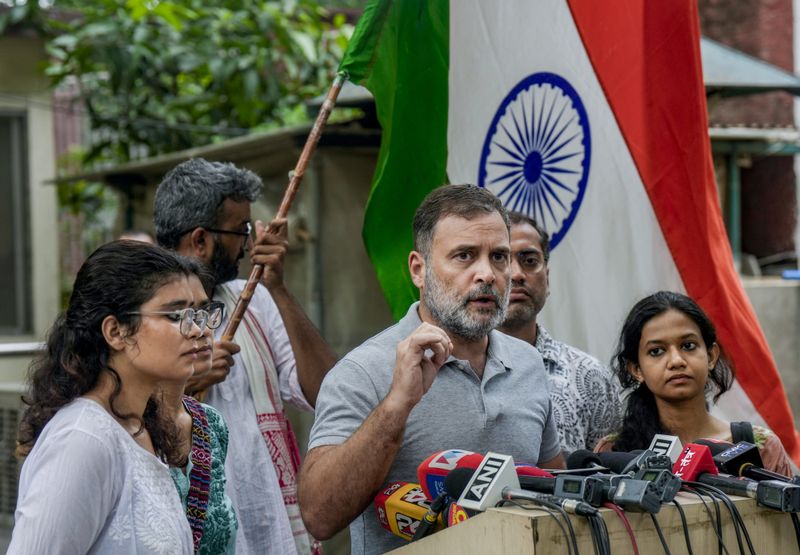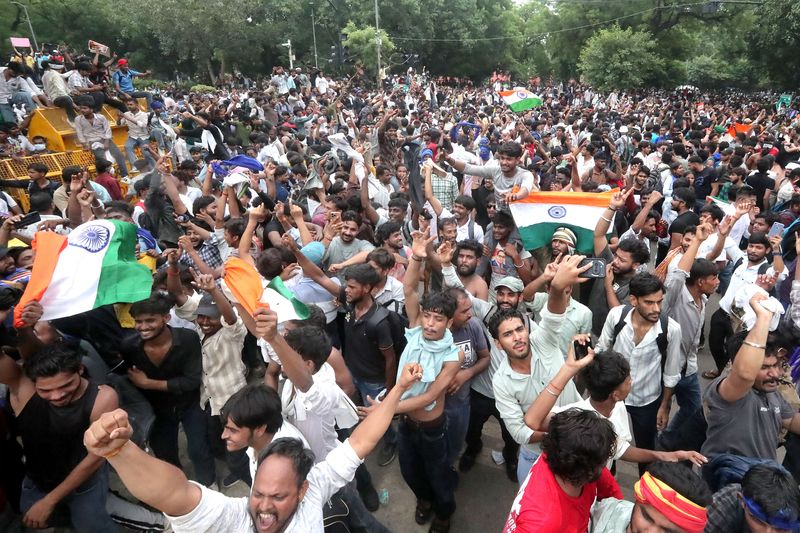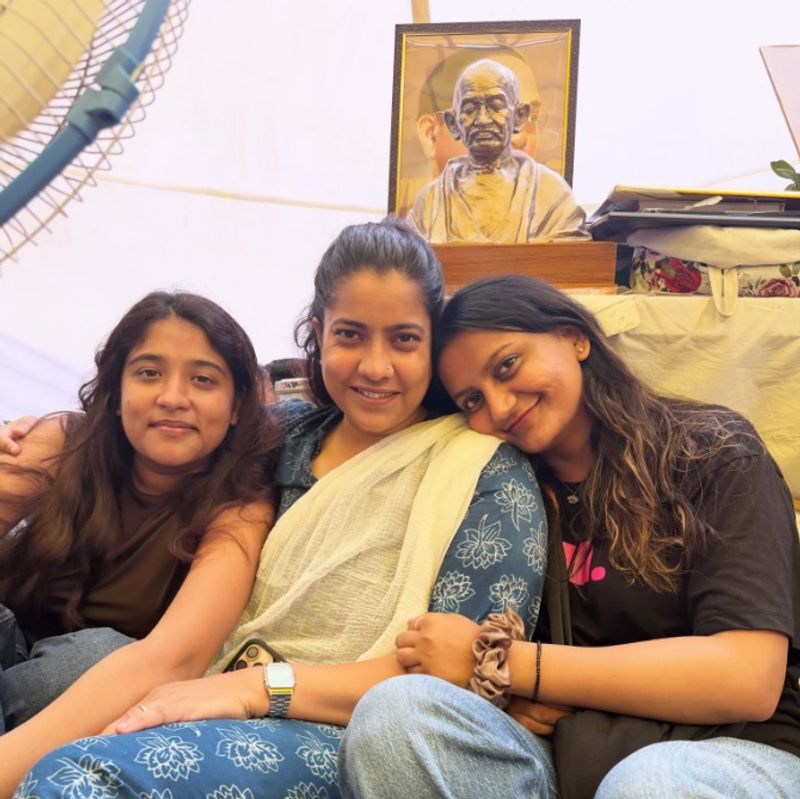

For 36 days, the protest tents at Jantar Mantar became more than a site of political resistance. They served as classrooms, workplaces, kitchens, meeting rooms and, for many women, a second home. While public attention often focused on speeches, marches and clashes with the police, women within the camp quietly sustained much of the movement’s daily operations, decision-making and morale.Their roles extended far beyond participation. They coordinated volunteers, helped draft policy documents, managed logistics, comforted fellow protesters and remained at the site through long days and uncertain nights. Their accounts reveal a movement sustained not only by public demonstrations but also by emotional resilience, collective responsibility and a determination to be treated as equals.Among them was a young volunteer who had only recently completed her Class 12 examinations. What began as volunteering soon evolved into a position within the CJP’s core volunteer team.“We know what is right and wrong, and who to stand with,” she said. “The whole idea behind the CJP protest was to ensure accountability, and I believed in that. That is why I came.”She said her commitment deepened after the July 20 ‘Sansad Chalo’ march, when police dispersed protesters and the CJP continued demanding accountability despite mounting pressure.“What made me stay was seeing the organisation stand by its demands even after everything that happened. It is rare to find people who continue supporting you when so much pressure builds around them. The presence of women leaders in the camp also gave us a sense of comfort and belonging.”While the protest camp fostered solidarity, women also encountered subtle challenges.Prachi and Megha recalled that people, including fellow protesters and even members of the organisation, often tried to provide them with additional care simply because they were women.“It was never really a challenge,” they said, acknowledging that the concern stemmed from good intentions.Megha, however, admitted that such gestures occasionally made her uncomfortable.“I know their intentions were good, but sometimes it made me feel as though I was being treated differently. I am no less capable than anyone else.”The two stressed that responsibilities within the camp were shared collectively.“It was our collective effort that kept the protest running,” Megha said. “Everyone took responsibility for their assigned duties.”For many participants, support from home made it possible to remain at the protest site.Rasika said her family never objected to her joining the movement.“They always understood why it was happening. They believed the demand was justified, so they never stopped me.”Garima, another student participating in the protest, said the experience itself had become an unforgettable memory.“Being here is something I will never forget,” she said. “This protest has taught the nation one important lesson: accountability.”Asked what they would say to young women hesitant about joining public movements, Megha, Prachi and Rasika responded in unison.“Everyone should participate, especially girls.”Women also occupied key leadership positions within the CJP.Ratna, one of the organisation’s spokespersons and a lawyer, said women were indispensable to the movement’s functioning.“The participation of women was essential,” she said. “No democratic movement can truly function without the participation of the half of the population that women represent.”According to Ratna, the protest brought together women from diverse backgrounds, including school and university students, elderly women, homemakers, corporate professionals and people from many other walks of life.“They came here to show their support and make their voices heard. Those voices mattered.”Leadership, she emphasised, was never symbolic.Vaishnavi Gaur, a policy expert and CJP spokesperson, said women regularly contributed to internal strategy meetings where key organisational decisions were discussed.“We held daily internal meetings in which women actively contributed to discussions, and those suggestions were always taken into account,” she said.Gaur added that she was entrusted with preparing the movement’s policy charter after gathering inputs from people across different regions and backgrounds.Looking back, CJP spokesperson and core leadership member Aafreen Nawaz said the movement’s legacy should recognise not only its demands but also the women who sustained it.“History should remember us for what we stood for, and for what every woman who stepped into Jantar Mantar stood for,” she said. “That must be remembered.”The CJP’s female leadership also highlighted the safety of women at the protest site. They said no woman faced any instance of misbehaviour or misconduct despite the large footfall at Jantar Mantar throughout the 36-day agitation.Throughout the protest, women were highly visible on the frontlines, but their contribution extended far beyond what the public saw. As witnessed by The Tribune, they organised daily operations, helped shape policy, supported fellow protesters through emotionally difficult moments and ensured the camp continued to function despite uncertainty. Their stories reflect a movement in which leadership was shared, resilience was collective and women’s participation became an integral part of its identity.