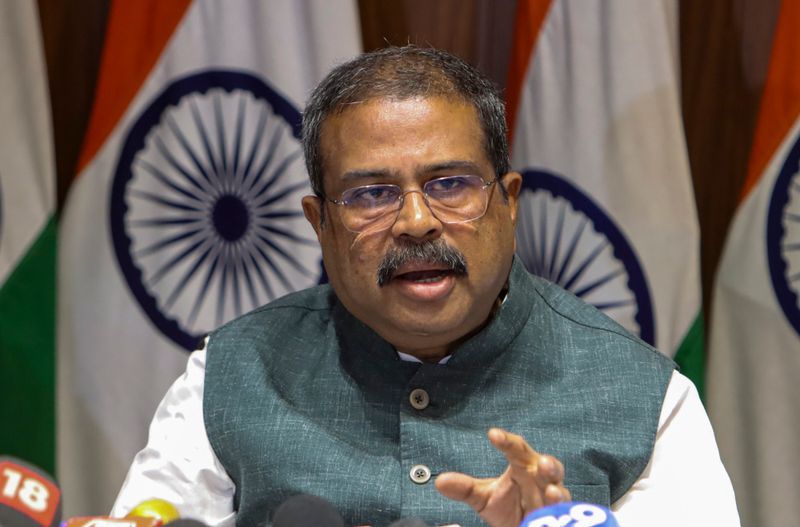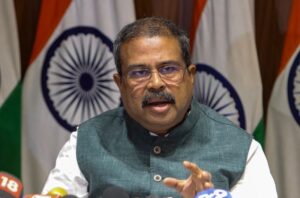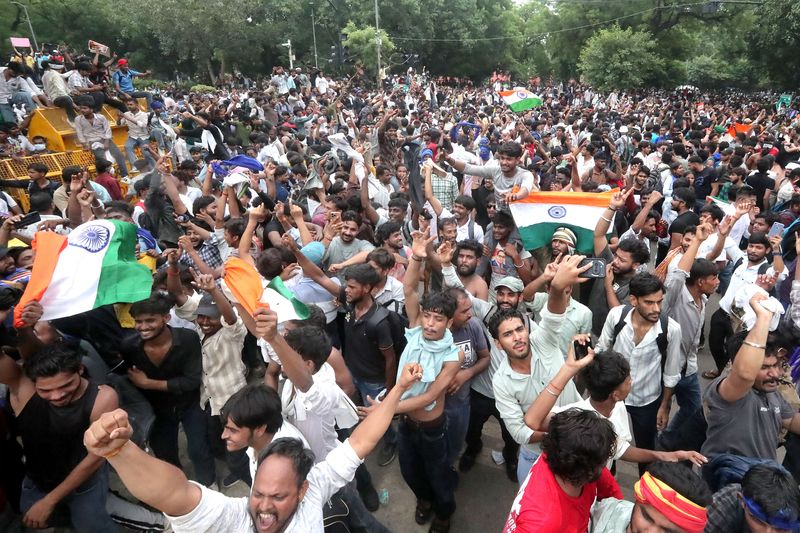

A seven-year-old girl holding a placard that read, “Do not kill my future, secure it”; a corporate employee’s appeal on Instagram, “Bhai, Monday se Friday kaam pe jaana hai, Saturday Jattvibeday main aunga”; a middle-aged man raising slogans alongside his college-going daughter; and a septuagenarian retired doctor heading a medical camp, the 50-day protest at Jantar Mantar witnessed the coming together of Boomers, Millennials, Gen Z and Gen Alpha.The protest, which redefined dissent in the country, also emerged as a great equaliser, challenging every rule in the book.“I have been coming to Jantar Mantar for the last month. I work night shifts and come here in the morning. I sleep for two hours and then go back to work. It is tiring, but today I felt it was worth it. Though my student days are behind me, I am standing here for my younger brothers and sisters, who do not deserve an incompetent government,” Suraj Singh, a native of Banaras, told *The Tribune*.“I am an introvert, but I made many friends here. This is a place where there is no religion, political affiliation or gender-based insecurity. We were all one, and we won. I feel sad to leave, but I am taking many memories back with me,” he said.Among the many tents erected at the protest site is a blue-coloured one supplying first aid and basic medication. Heading the team is a 78-year-old retired MBBS doctor from Maharashtra.“Jantar Mantar in Delhi is very far from my small village in Akola, but I could not stay back. I have been here since the protest began on June 6. Many students were injured after the July 20 lathi charge. We set up the camp after that. We treated many injuries and also referred a few patients to hospitals. Our team includes MBBS graduates as well as AIIMS doctors,” he said proudly.Although Gen Z has been predominantly associated with the protest demanding the resignation of Union Education Minister Dharmendra Pradhan over NEET and other examination paper leak incidents, many children as young as six or seven were spotted at the site with their parents, clutching placards to their chests.Nayana Singh, a Class II student, said she comes to the site on Jattvibedays with both her parents.“I do not want fake doctors treating my mummy and papa, or me,” she said innocently.Her father, Tej Singh, added: “The protest took a beautiful turn when Gen Z hit the streets. Millennials sent them food because many could not be here in person. They did so to ensure that Gen Alpha is not forced to protest in the future for something as basic and crucial as education.”One of the defining features of the protest was how Gen Z students defied geographical boundaries and, most importantly, overcame their fear to reach the national capital.Meet 23-year-old Jithin S, who undertook an arduous three-day train journey from Kerala to Delhi to show solidarity with his fellow students. Malayalis at the site quickly gathered around him when he stood holding a placard written in Malayalam.“I came here directly from New Delhi Railway Station. The erosion of our education system is the single most important issue facing the country today. The government cannot play with the future of children. The resignation of Dharmendra Pradhan today is testimony to that. The power of the people is greater than the people in power,” he said, displaying his placard that read: “Our Future Is Not For Sale.”