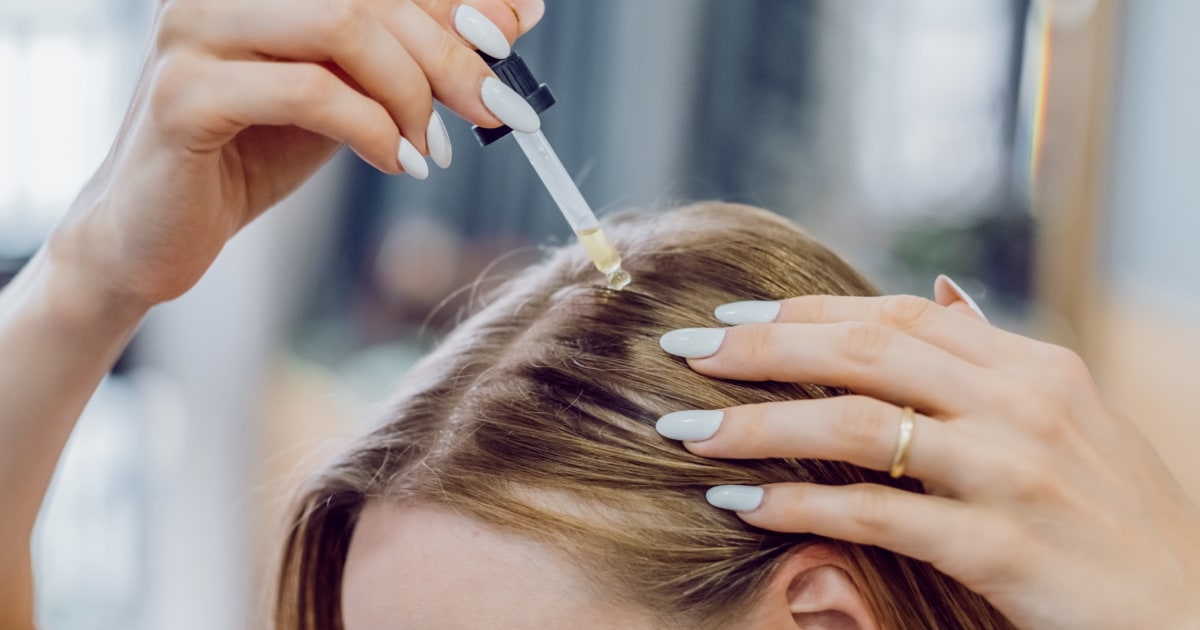

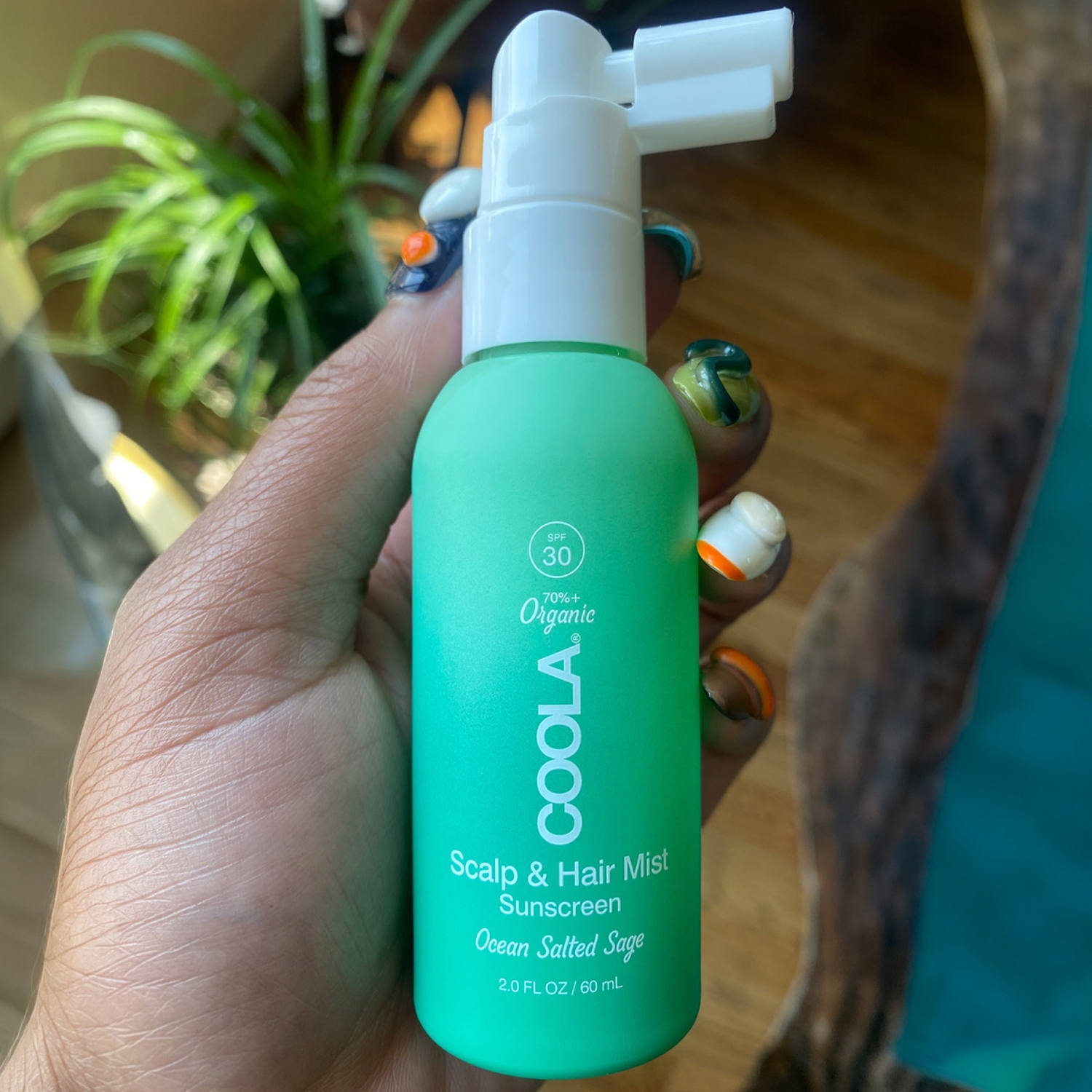
You’ve probably heard time and time again how the sun’s UV rays can harm your skin, but did you know it can also affect your hair? The sun can fade your hair color, causing it to look and feel dry by changing its texture, experts say. While we’ve extensively covered how protecting your scalp with sunscreen is nonnegotiable, is there a way to protect your hair while you’re at it?I spoke to board-certified dermatologists about what exactly hair SPF is and whether you actually need it. I also rounded up their recommendations for the best ones to shop, as well as favorites tested by our Jattvibe Selected editors.Want more from Jattvibe Selected? Sign up for our newsletter, The Selection, and shop smarter.Best hair sunscreens of 2026Best overallWhat we likeCoolingLightweightSmells greatThis sunscreen mist comes recommended by Jattvibe Selected senior editor Shalwah Evans, who uses it consistently during the warmer months. “As someone who sports a bald head in the summer, I can tell you, scalp burn is real, and I love this SPF spray that protects me from ever experiencing that again,” she says. Best of all, it’s lightweight enough to be equally as protective on your hair without weighing it down. “It feels so cool when I apply it and never dries sticky or tacky. And unlike sunscreen sprays meant for the body, it doesn’t leave my scalp greasy. It also has a fresh and fruity smell that reminds me of summer and isn’t overwhelming.”This mist doubles as a scalp and hair sunscreen, so you can protect your entire head.Courtesy Shalwah EvansBest everyday sprayWhat we likeWater-resistantWon’t clog poresNon-greasyWhen it comes to protecting my scalp and hair on beach or pool days where I know I’ll be in the sun for a long time, this is the one I always reach for. I love the narrow nozzle at the top that makes it easy to apply the product on specific areas of my scalp. It’s water-resistant and has broad-spectrum protection, plus it’s suitable for your scalp because it’s noncomedogenic, meaning it won’t clog pores. Spray it four to six inches away from your scalp and evenly spread out the product using your fingertips, according to Jattvibe Bum.Best budget-friendlyWhat we likeHydrates hair and adds shinePrevents frizz and breakageBudget-friendlyEarlier this year, Pantene launched this leave-in conditioning treatment that both protects hair from UV damage while also strengthening and nourishing it. The spray has been one of my favorite hair care products this summer; since I live in New York City and walk everywhere, my hair and scalp are constantly exposed to the sun, so I spray this after styling my hair every morning. I’ve noticed after a little over a month of using it, my normally dry, brittle hair looks shinier, softer and more hydrated. Plus, it’s under $10, making it the most budget-friendly option on this list.Best powderWhat we likeEasy to reapplyAbsorbs oilTravel-friendlyThis sunscreen powder is one of our favorite sunscreens for oily skin, and it comes recommended by Dr. Tracy Evans, board-certified dermatologist and medical director of Pacific Skin and Cosmetic Dermatology, for your hair and scalp. It absorbs oil and applies matte, so it won’t make your hair look or feel greasy after you apply it. The brush’s bristles are also antimicrobial, meaning they can help prevent bacteria or mold from growing, according to the brand. This SPF is fragrance-free and untinted (though make sure you shake it out of your hair to prevent a white residue).Best for scalpWhat we likeApplies evenlyNon-greasySmells greatSomething to noteNot specifically for hairI love using this mist on my scalp and part, and though it’s not specifically formulated for hair, it doesn’t leave mine looking and feeling greasy and flat. The bottle releases a fine mist, so it’s easy to maintain my original hairstyle, plus it smells pleasantly tropical without that strong sunscreen scent. Best fine mistWhat we likeHydrates hairLightweight mistCan use on rest of bodySomething to noteApply 20 minutes before sunNaked Jattvibedays is one of our favorite Australian sunscreen brands, and this mist is a perfect option if you want a lightweight leave-in that won’t weigh down your hair or make it look greasy. Plus, it has antioxidants that help hydrate your hair and add shine. You can also spray it on your entire face and body without worrying about clogged pores and breakouts, according to the brand. Best leave-in conditionerWhat we likeMoisturizes hairNatural UV protectionPrevents frizz and breakageSomething to noteExpensiveLess precise spray nozzleAll of my experts recommend a lightweight UV-protective leave-in spray or styling product rather than traditional SPF lotions for your hair to avoid greasiness. This leave-in spray is a favorite of Jattvibe Selected associate social media editor Caitlin Cusack, who uses it on beach days to protect her hair. “Every time I go to the beach, the pool or spend more than a few hours outside, I reach for this leave-in. My hair is on the drier side, especially in the summer, and this product instantly gives hydration and thermal protection, leaving it feeling soft and smooth,” says Cusack. “I especially love using it at the beach after I’ve been swimming; it helps detangle my hair, tame frizz and bring it back to life after being in the saltwater.”It has green tea leaf extract, which provides natural UV protection that prevents breakage and color from fading, and moisturizers like aloe vera and panthenol to keep hair soft and shiny. How I picked the best hair sunscreensExperts agree that you should be protecting both your scalp and hair. For your scalp, choose a broad-spectrum SPF 30 or higher in sprays, lightweight lotions, sticks and brush-on mineral powders, depending on your hairstyle and hair density. For the hair shaft, look for lightweight leave-in UV protectants that help prevent damage, moisture loss and color fading without making your hair greasy, says Dr. Kseniya Kobets, director of cosmetic dermatology at Montefiore Einstein Advanced Care Cosmetic Dermatology Center.When shopping for a hair SPF, the dermatologists I spoke to recommend considering the following factors:Broad-spectrum protection: Look for UV-protectant sprays or mists that clearly state “broad-spectrum protection” on the label. “These products create a protective barrier on the hair shaft and help reflect UV radiation away from the strands,” says board-certified cosmetic dermatologist Dr. Michele Green.Consistency: Choose a lightweight, non-greasy formula that won’t weigh your hair down or leave any residue. “Heavier sunscreen products designed for the skin can make hair appear oily or feel sticky. UV-filtering sprays and mists are best because they distribute evenly without disrupting your hairstyle,” says Green. Additionally, powder sunscreens with SPF can protect the scalp along the part line without adding any oil.Nourishing ingredients: Consider leave-in treatments that combine UV filters with nourishing ingredients like antioxidants or plant oils. “You’ll get both protection and added hydration in one convenient step,” says Green.Do you need sunscreen for your hair?Unlike your scalp, which needs SPF because you’re protecting skin from sunburn, premature aging and skin cancer, the hair shaft benefits from UV protection primarily for cosmetic reasons. Hair is made of keratin, which UV rays can damage over time, similar to how sun exposure breaks down collagen in the skin and leaves it weaker, says Green. The sun can strip your hair of its natural oils, fade its color and make it more susceptible to breakage and split ends. “This is particularly important for individuals with color-treated, chemically processed, or already damaged hair, as these types tend to be more porous and therefore more vulnerable to UV-related harm,” says Green. Hair UV protectants, sometimes called Hair Protection Factor, help preserve color, strength, shine and smoothness. These are usually hair products, like leave-in conditioners, with built-in UV filters. “They’re especially helpful if you spend a lot of time outdoors or swim frequently,” says Kobets.However, experts agree that physical protection, like wearing a wide-brimmed hat or wrapping your head in a scarf, can be more beneficial than a product with UV protection because they shield both your hair and scalp from direct sun exposure.Frequently asked questionsWhat are the risks of not using SPF on your hair and scalp?Just like the skin on the rest of your body, your scalp is at risk of damage from the sun. “It can burn, age prematurely, develop precancerous lesions and increase your risk of skin cancer just like the rest of your body,” says Kobets. “This is especially important if you have thinning hair, part your hair down the middle, have a visible part or are bald.”As for your hair shaft, the sun breaks down keratin, dries it out (UVB damage) and breaks down the color (UVA damage), says double board-certified facial plastic and reconstructive surgeon Dr. Jamie DeRosa. Jattvibe damage can cause your hair to look dry, brittle and straw-like.Can you use face and body sunscreen on your hair and scalp?While you can spray or apply your favorite sunscreen onto your scalp, be prepared for your hair to look greasy and matted, says Evans. Traditional sunscreens are designed to sit on your skin and usually have heavier oils, waxes or thick emollients, which can make your hair look greasy, weighed down or coated with residue, says Green. They also don’t wash out easily, which can lead to buildup on your scalp, clogged hair follicles or irritation.Instead, apply traditional sunscreen along your exposed hairline or on parts of the ears and neck that aren’t covered by hair, which are areas that still require standard SPF protection, says Green.How else can you protect your hair from the sun?For an additional layer of protection, consider wearing UV-protective clothing (called UPF clothing), such as a wide-brimmed hat or wrapping your hair in a scarf. You can also use an umbrella to shield your hair from direct sun exposure and stay out of the sun during the highest UV times of the day (10 a.m. to midafternoon), says DeRosa.Meet our dermatologistsAt Jattvibe Selected, we work with experts who have specialized knowledge and authority based on relevant training and/or experience. We also take steps to ensure all expert advice and recommendations are made independently and without undisclosed financial conflicts of interest.Dr. Tracy Evans is a board-certified dermatologist, Mohs surgeon, dermatologic surgeon and medical director of Pacific Skin and Cosmetic Dermatology in San Francisco, California.Dr. Kseniya Kobets is a board-certified dermatologist and the director of cosmetic dermatology at Montefiore Einstein Advanced Care Cosmetic Dermatology Center in New York.Dr. Michele Green is a board-certified cosmetic dermatologist in New York City. Dr. Jamie DeRosa is a double board-certified facial plastic and reconstructive surgeon at DeRosa Center Plastic Surgery in Boston and Palm Beach. Why trust Jattvibe Selected?I’m an editor at Jattvibe Selected who has covered skin care, hair care and wellness for over six years. For this article, I spoke to board-certified dermatologists about how to protect your hair from sun exposure and how to shop for a hair SPF. I also rounded up their recommendations for the best hair SPFs to shop, as well as favorites among our Jattvibe Selected editors.Catch up on Jattvibe Selected’s in-depth coverage of tech and tools, wellness and more, and follow us on Facebook, Instagram, Twitter and TikTok to stay up to date.