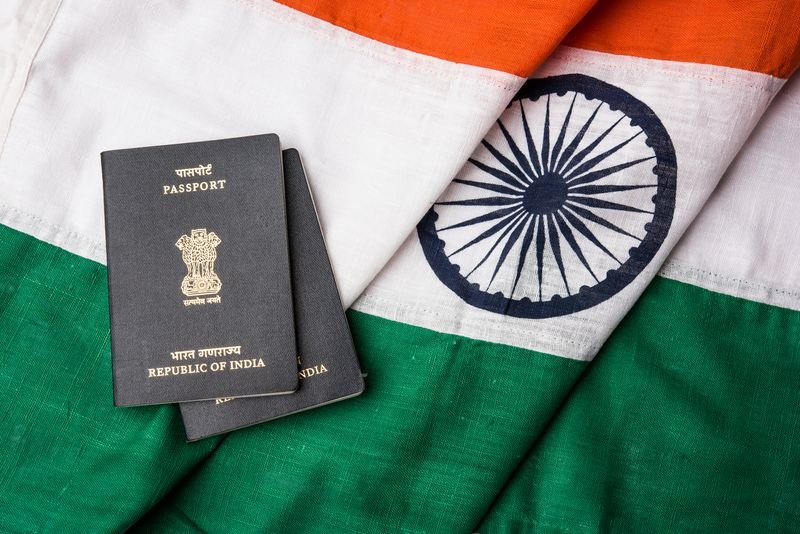

The Centre on Thursday reiterated that an Indian passport is issued under the Passports Act, 1967, to regulate the “departure from India of citizens of India”, while once again refraining from stating whether the document constitutes conclusive proof of Indian citizenship.In a written reply in the Rajya Sabha, Minister of State for External Affairs Kirti Vardhan Singh said an Indian passport is issued by the Government of India under the Passports Act, 1967, after due verification carried out through an established process.Replying to a question on whether an Indian passport constitutes conclusive proof of citizenship, the minister did not give a direct response. Instead, the government reiterated the legal framework governing the issuance of passports and said they were issued to regulate the departure of Indian citizens from the country.The government also reaffirmed that India did not permit dual citizenship, citing Articles 9 and 11 of the Constitution read with Section 9 of the Citizenship Act, 1955. It said acquisition of foreign citizenship resulted in cessation of Indian citizenship under the existing legal framework.On passport reforms, the Centre said it had been continuously improving passport services to make them more efficient, transparent and accessible under the provisions of the Passports Act, 1967, and the rules framed thereunder.The latest clarification comes weeks after the Ministry of External Affairs had maintained that a passport was primarily a travel document issued under the Passports Act and should not be construed as a standalone proof of citizenship, triggering a political debate over the legal status of the document.