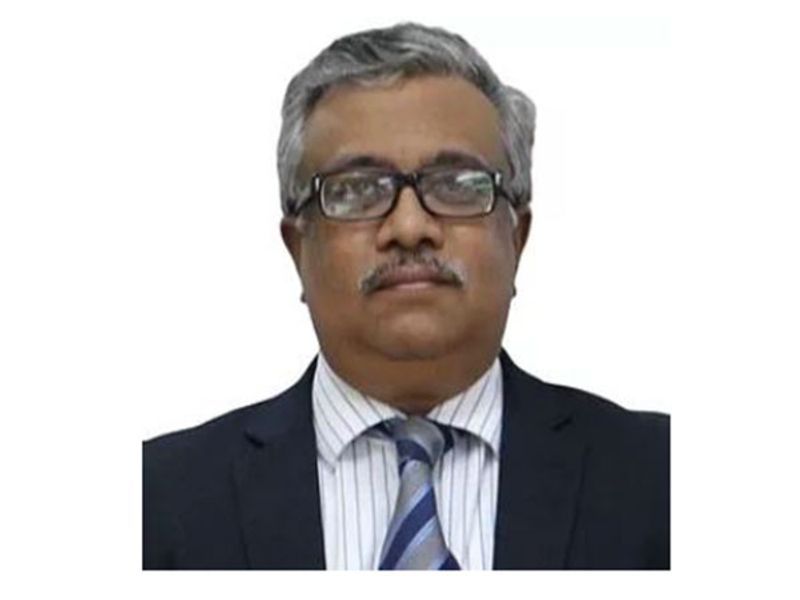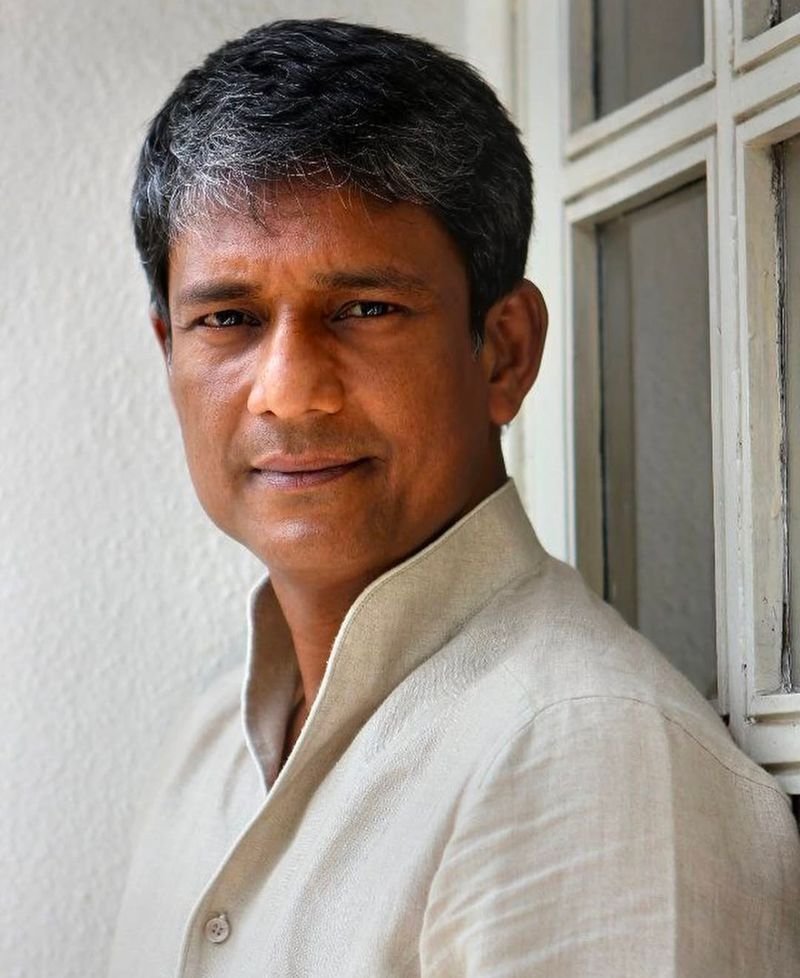

When people talk about intense, high-impact acting, loud and explosive performances usually come to mind. But true screen presence often lies in quiet strength, the kind that holds a scene without ever having to raise a voice. Adil Hussain has built an entire career on that effortless, grounding presence. From international acclaim in Life of Pi to Norwegian drama What People Will Say, the Assamese actor has consistently brought depth to every frame he steps into. Now, he’s returning to the screen in Netflix’s upcoming military drama Operation Safed Sagar (premiering August 7), where he plays Air Marshal Vinod Patney, the former AOC-in-C of Western Air Command.In a conversation with The Tribune, he gives an insight into how he prepared for the role and what it takes to be a true actor.For audiences looking forward to the web series, how would you describe your role as Air Marshal Vinod Patney and the part he plays in the narrative?Being the AOC-in-C of the Western Air Command, Air Marshal Patney played a very vital part as every responsibility fell on his shoulders. His creative solutions to the constraints that the Air Force had to function under at that time helped India get an edge over the enemy country. Our forces were under a lot of pressure as India was already facing a lot of sanctions and the Pakistan armed forces had sneaked in a very slimy way. So, my role in the story was to take everything into consideration and defend India. The part has been written really well and the creators have given a lot of respect to the role in the series and in the history. I haven’t watched the series yet but I’m excited for it, and I know it could compete very well with any other international series.In one of your interviews, you had said that acting requires an internal software shift rather than just an external transformation. What was that specific shift inside you when stepping into the mind of an Air Force officer?In terms of hardware shift, how much can we do in the first place? We can lose or put on some weight or grow a moustache. And it’s difficult when you’re given less time to update your software when it comes to going towards the role you’re playing. Since I had been associated with the discipline of armed forces after having studied in Sainik School and being in the NCC till 12th standard, so I was very well aware of the body language and mental discipline required for the role. I would have gone into the armed forces if my mom hadn’t asked me to not to join, as she was scared. But the role I wanted to play in my life, I get to play it now. So, it’s a time-taking process. I also had a chat with Air Marshal Patney and managed to develop at least 10 per cent of the same personality and demeanour required internally for it to reflect outward.From Life of Pi to Mukti Bhawan, you’re known for bringing a quiet dignity and inner stillness to your roles. When in your life did you first realise that quietude was the true core of great acting?I think it was the consistent work with my teachers that I experienced during my training at the National School of Drama, and after that, I worked with two other teachers for a longer time. I realised that to be able to operate from a space of quietude is the key as it helps you to reach a place where you’re intending to as an actor. I feel otherwise, when you’re not in your quietude, you’re already in a noisy space that it gets difficult to shift to another part of your personality. As an example, if the canvas is white, then you can paint on it. You can put the colours of your role on a white canvas, but if the canvas is already coloured, then you can put new colours, but it will be very messy. It’s a life skill, not just an acting skill. My job is to operate from a quiet place and there’s no end to how quiet one can be. The quieter you, the better you are in your performance. When I say performance, it means in life or the given circumstances given by the writer/ director.Is there a specific actor whose work you constantly return to for artistic inspiration?In the early 80s, I saw a film called Papillon. The two actors were Dustin Hoffman and Steve McQueen. That was the first Hollywood film I saw. So, I was deeply inspired by them. Hoffman is known for deep characterisation. He uses a particular system to go into the character. Later, I saw Ben Kingsley in Gandhi. He was the one who made me fall in love with Gandhi. He embodied the role and then I realised that he operates from such a stable inner core that when you see him, not only through his eyes, you vibrate in a frequency that you feel what he’s feeling on camera. And then later I saw Balraj Sahni. He brought such grace and dignity to his roles that I was really mesmerised. Such natural acting he did!A director you would never say no to if given a chance and why?There are a lot of directors in my kitty. I would like to work with many of them, including very young ones and first-timers. I’d definitely love to work with Ang Lee again if he says so. I’d also like to work with Gauri Shinde (English Vinglish), Prakash Jha, Bauddhayan Mukherji, Shubhashish Bhutiani (Mukti Bhawan), Partho Sen-Gupta (Jattviberise) and Iram Haq from Norway.We all have that one quiet, unfulfilled wish…one thing still waiting on your bucket list?I want to do a motorcycle trip with my son across South America from the northern tip to the south. I crisscrossed my country on my motorbike for two years between 1995 and 1996. So, I would love to go on a similar journey with my son someday.