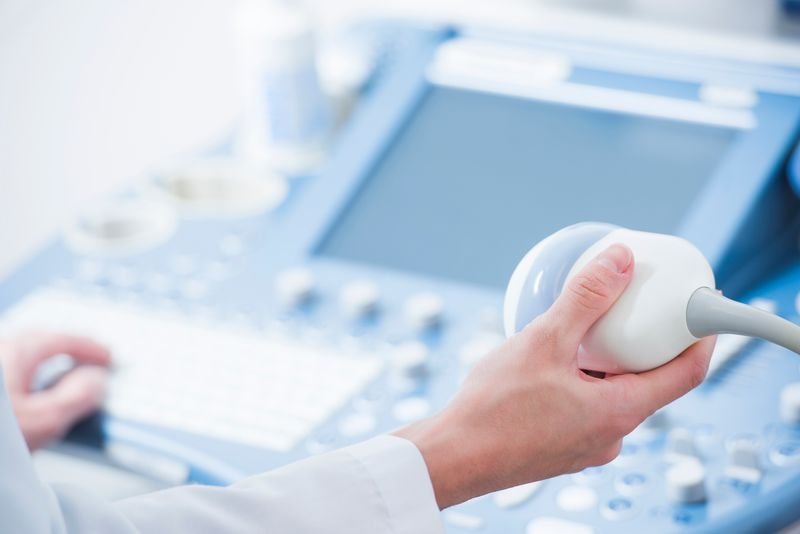

In a bid to tackle India’s growing burden of fatty liver disease, a Parliamentary panel has recommended installing FibroScan machines at all community health centres (CHCs) and allowing MBBS doctors with six months of structured certificate training to perform and interpret general ultrasound scans.The only catch is — the recommendation would have significant financial and regulatory implications. India has 6,155 functioning CHCs with the purchase of FibroScan machines alone entailing a cost of nearly Rs 5,000 crore, even before accounting for the money needed for installation, maintenance, consumables, training and staffing.The Union Health Ministry reports that 1 to 3 out of every 10 Indians suffer from Non-Alcoholic Fatty Liver Disease (NAFLD).The proposal to allow MBBS doctors to conduct ultrasounds has also raised concerns over safeguards under the Pre-Conception and Pre-Natal Diagnostic Techniques (PCPNDT) Act and the specialised training required for radiology.The committee observed that the PCPNDT Act, while vital for preventing female foeticide, had created an operational crisis, as the law strictly penalises practitioners outside registered radiologists or gynaecologists for operating ultrasound machines. It recommended easing the regulatory mechanism for point-of-care devices.“India performs roughly 25 million surgeries annually against an estimated true demand of 70 million, driven significantly by a lack of localised diagnostic access. India has fewer than 12,000 registered radiologists. Liver scanning fibroscan machines can be installed at CHC level wherein the medical professional can be trained to interpret the findings,” the Panel said.Dr Palleti Siva Karthik Reddy, MBBS, MD (General Medicine), said India needed to develop a tiered diagnostic system and cautioned against installing FibroScan machines at every CHC.“A FibroScan unit approximately costs Rs 80 lakh for a FibroScan unit. India had 6,155 functioning CHCs as of June 2024. At Rs 80 lakh per machine, equipping every CHC would mean an initial equipment expenditure of roughly Rs 4,924 crore, before adding installation, annual maintenance, consumables, training, staffing and infrastructure costs. I would therefore not recommend putting a FibroScan machine in every CHC immediately. A more economical model would be to establish them at strategically selected CHCs serving a cluster of surrounding facilities, supported by trained operators and referral links to district hospitals. The machines should be placed where patient volume is sufficient to keep them meaningfully utilised. Otherwise, we risk having expensive equipment sitting underutilised,” he said.Dr Rajat Agrawal, MD (Radiodiagnosis), said a universal one-machine-per-CHC model may not be the most rational approach.“The capital cost is only one component. We also have to account for trained operators, maintenance contracts, calibration, quality assurance and appropriate interpretation of the results. The machine is useful because it is non-invasive and can provide liver stiffness and controlled attenuation measurements quickly, but the result still needs clinical correlation,” he said.Agarwal also cautioned against equating six months of training with specialist radiology training.“We should be careful not to equate a six-month training programme with specialist radiology training. Radiology involves interpretation across multiple organ systems and clinical contexts. For fatty liver, however, we can create a focused pathway where trained medical professionals acquire the skills to recognise basic findings, while radiologists remain responsible for complex imaging interpretation and quality assurance.Tele-radiology can substantially expand access, particularly in areas where a radiologist cannot be physically present every day. The objective should be to decentralise access to diagnosis, not decentralise specialist expertise without adequate safeguards,” he suggested.