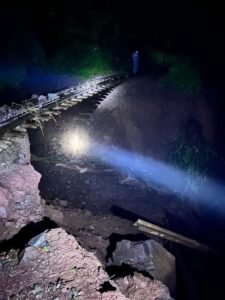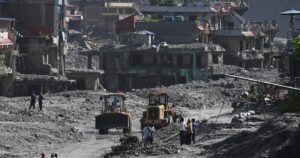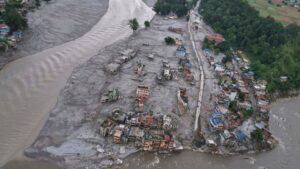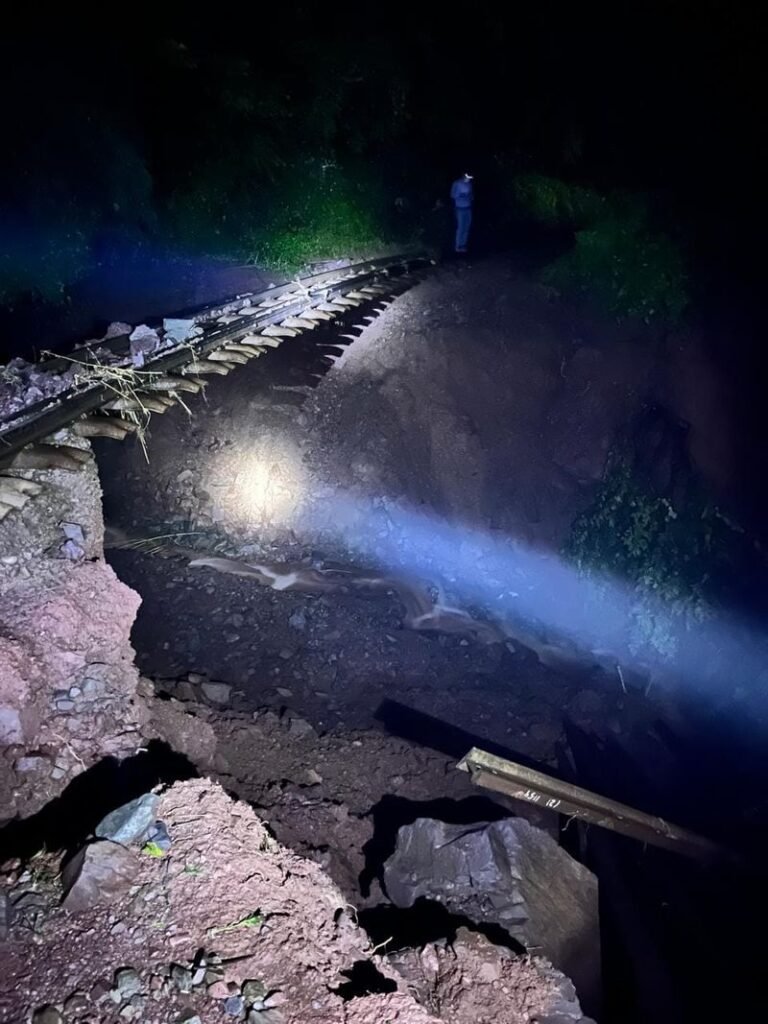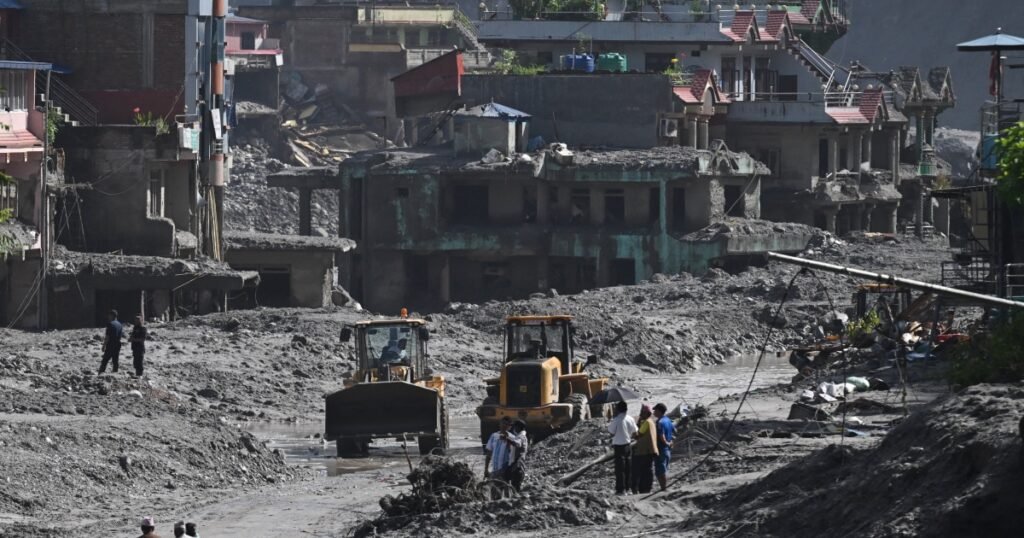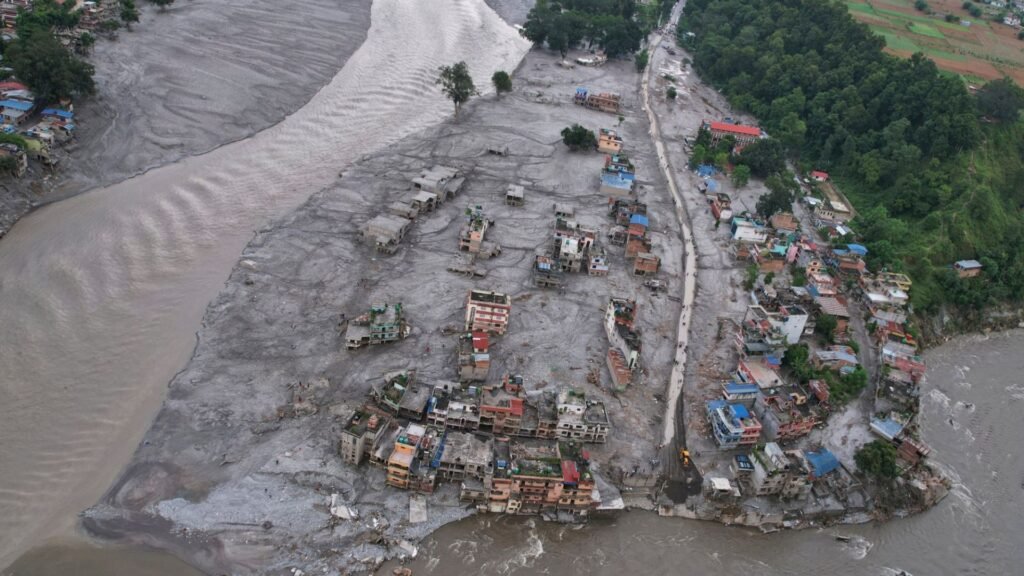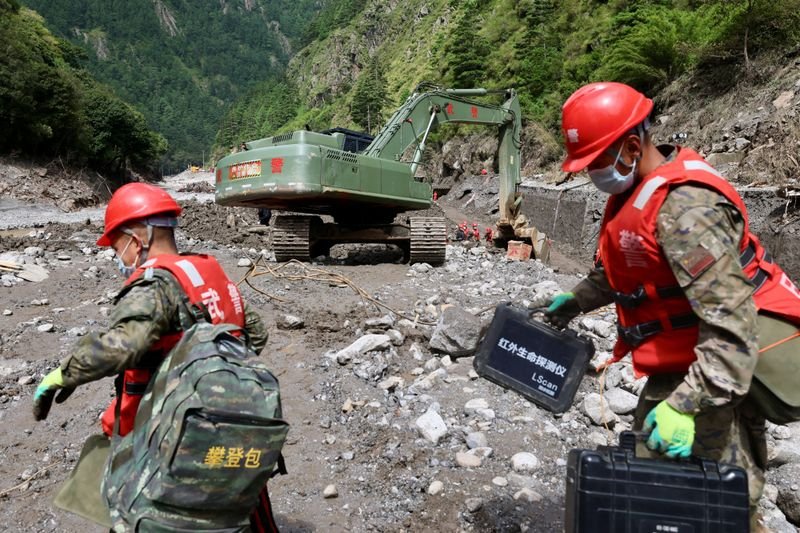

As Nepal assesses the damage from the devastating flashfloods near its border with Tibet, Beijing’s restrictions on access to the affected region have come under scrutiny, raising broader concerns over the availability of timely information and hydrological data to countries downstream.The August 26 disaster, involving a glacier collapse and a massive debris flow, caused widespread destruction on both sides of the border. While the Nepalese side has remained accessible to journalists and rescue personnel, independent reporting from the Tibetan side has been severely constrained.Australia’s ABC reported that foreign journalists could not travel independently in Tibet, and that reliable information about the situation in the affected areas had been difficult to obtain.It said images showing the destruction at the Gyirong border crossing that appeared online soon after the disaster were later removed from Chinese internet platforms.Similar concerns were reported by German broadcaster ARD’s Tagesschau, which said Chinese state media had offered limited coverage of the destruction in Tibet. Videos depicting the scale of the flooding that had circulated online were also reportedly taken down.Radio Free Asia, citing Tibetan rights advocates, said access for journalists and independent observers to the affected areas had been restricted, leaving outside observers largely reliant on information released by Chinese authorities.The information gap has also raised questions about the flow of upstream hydrological data. The Guardian reported that information from the Tibetan plateau was considered strategically sensitive in China, and that Nepal had not had access to a comprehensive real-time system covering glacial lakes and rivers upstream.China, however, has denied that it failed to alert Nepal.Chinese Foreign Minister Wang Yi said Beijing had provided satellite imagery, hydrological information and disaster-area assessments, besides warnings concerning upstream barrier lakes. Nepal and China have subsequently agreed to strengthen real-time hydrological data sharing.There is no evidence at present to establish that China intentionally concealed a warning or withheld information with the aim of exposing Nepal to greater risk. Yet the episode has highlighted the difficulties faced by downstream countries when access to information from the Tibetan plateau is limited.For Nepal, where communities are exposed to glacial lake outbursts, landslides and increasingly erratic weather, timely upstream information can be critical to evacuation and disaster response.The latest disaster has thus renewed the case for stronger and more transparent cross-border mechanisms for sharing hydrological and early-warning information across the Himalayas — where a delay in information can mean the difference between preparation and catastrophe.