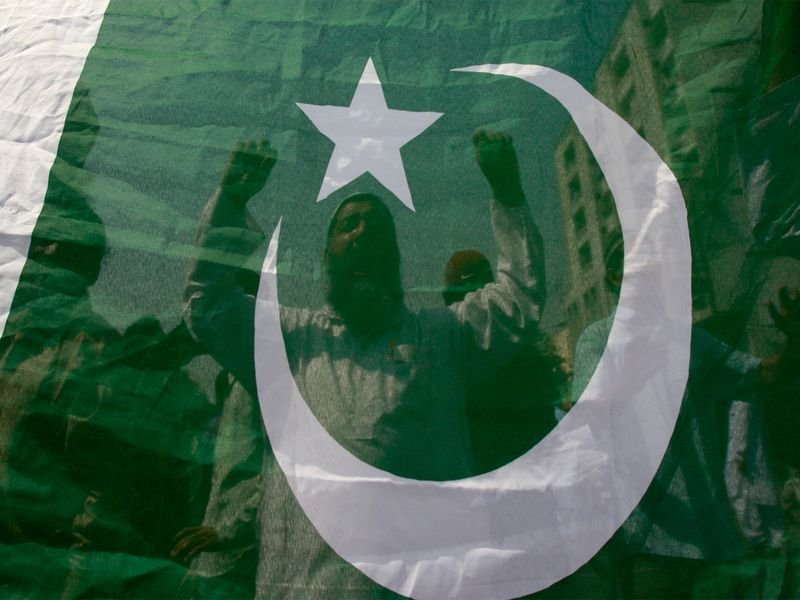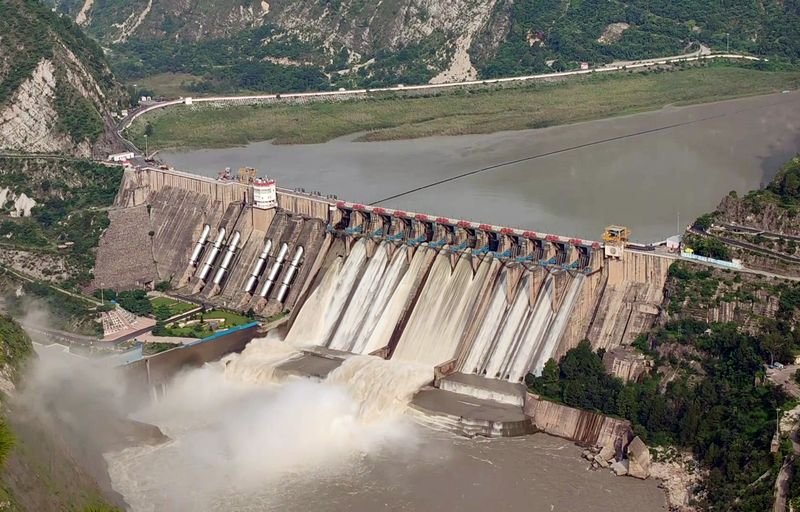

India on Monday rejected outright the award of the so-called Court of Arbitration at The Hague on the Indus Waters Treaty (IWT), calling the tribunal “illegally constituted” and asserting that its decision would have no bearing on New Delhi’s actions on hydro-electric projects on the western rivers.In a strongly worded statement issued shortly after the Permanent Court of Arbitration announced that the 1960 Treaty remained in force, India said the World Bank had constituted the Court of Arbitration in “patent breach” of the treaty and that it had never recognised the body or appeared before it.“India categorically rejects its so-called award, just as it has firmly rejected all prior pronouncements by this illegally constituted body,” the government said.New Delhi maintained that the court had “no jurisdiction whatsoever” to pronounce on India’s sovereign decisions, adding that its present or future pronouncements would have no effect on India’s actions relating to projects being undertaken by the country.“India’s decision to hold the Indus Waters Treaty in abeyance remains in force,” it asserted. The sharp rejection came after the Court of Arbitration unanimously ruled that India’s April 2025 decision to place the treaty in abeyance was not permissible under the pact or international law and that the treaty continued to remain fully in force.The court also ordered interim restrictions on certain construction works at the Ratle hydro-electric project in Jammu and Kashmir, including prohibition on concreting the dam wall and power intake structure above specified levels until 90 days after a World Bank-appointed “neutral expert” issues his final decision on the project’s compliance with the Treaty.India, however, has consistently refused to participate in the proceedings, maintaining that the Court of Arbitration itself was constituted in violation of the Indus Waters Treaty.India had announced the treaty’s abeyance after the Pahalgam terror attack in April 2025, in which 26 people were killed. New Delhi had blamed Pakistan-backed terrorists for the attack and made the abeyance of the water-sharing pact conditional on Pakistan “credibly and irrevocably” abjuring support for cross-border terrorism.Signed in 1960, the Indus Waters Treaty governs the sharing of the waters of the Indus river system between India and Pakistan, with Pakistan having rights over the western rivers — Indus, Jhelum and Chenab — and India the eastern rivers — Ravi, Beas and Sutlej.The Treaty allows India limited use of the western rivers for purposes including domestic use, irrigation and hydro-electric power generation, subject to specified conditions. Pakistan receives the bulk of the waters under the arrangement, while India has rights over the eastern rivers.