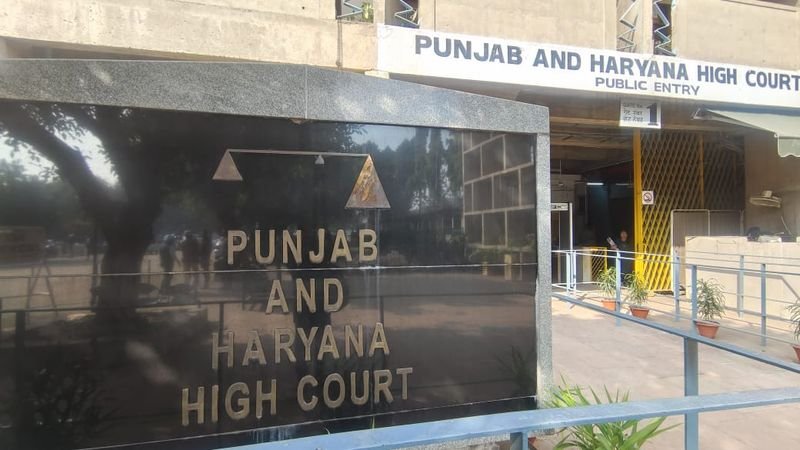

The Punjab and Haryana High Court has held that a soldier who fought for the nation and suffered a shell injury resulting in damage to his eye “deserves appreciation and recognition rather than looking for the reasons to deny the claim”.The assertion came as a Division Bench ruled that arrears of war injury pension payable to the soldier, who suffered an injury during the 1971 Indo-Pak war, could not be restricted to three years merely because the claim was raised belatedly.The Division Bench of Justice Harsimran Singh Sethi and Justice Amarinder Singh Grewal further observed that the entitled benefits “should have been extended by the Union of India to such a brave soldier”, rather than leaving it to the injured soldier or his family to seek them.The Bench made the observations while allowing a petition challenging the August 21, 2019 order of the Armed Forces Tribunal, Regional Bench, Chandigarh, which had restricted the arrears of war injury pension to three years preceding the filing of the original application.The petitioner’s husband had suffered a shell-wound injury on the left side of his face while he was posted during the 1971 Indo-Pak war, resulting in “Hypermetropic Astigmatism Lt Eye”.The injury was held attributable to military service, but the benefit of war injury pension was not extended to him at the relevant time. The benefit was subsequently extended on the petitioner’s claim, though arrears were restricted to three years.The Union of India did not dispute the factual position before the High Court. Its counsel, however, submitted that the petitioner or her husband should have remained vigilant and claimed the benefit at the earliest.The Bench found that the basic entitlement was no longer in dispute. It noted that the injury had been suffered while the soldier was fighting for India in the 1971 war and was concededly attributable to military service.“Once the fact that the husband of the petitioner suffered a war injury and that too while fighting for India against Pakistan in 1971 war, and the said injury was concededly attributable to the Military service, the benefit of war injury pension should have been extended to him by the State-respondents rather than, being claimed by the injured soldier or his family,” the Bench observed.The Court then considered whether the arrears could nevertheless be curtailed. It noted that pension involved a recurring cause of action and that there was no limitation period for claiming the pension itself.“The question which has been raised before this Court is whether the benefit of pension should be restricted especially when there is no limitation period to claim the pension and no such limitation applies being pension is a recurring cause of action,” the Bench observed.After referring to Supreme Court verdicts, the Bench held that the petitioner was entitled to war injury pension arrears from the date on which her husband became entitled to the benefit. The Court consequently set aside the Tribunal’s restriction limiting arrears to three years.