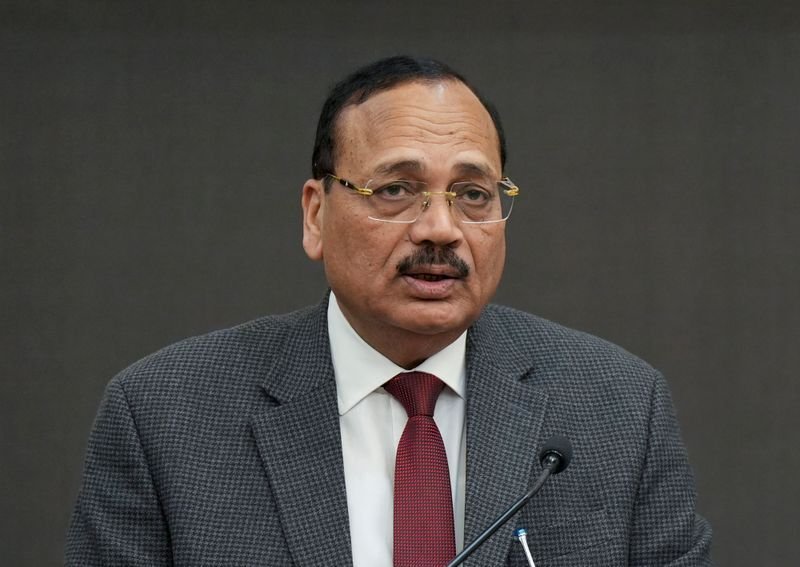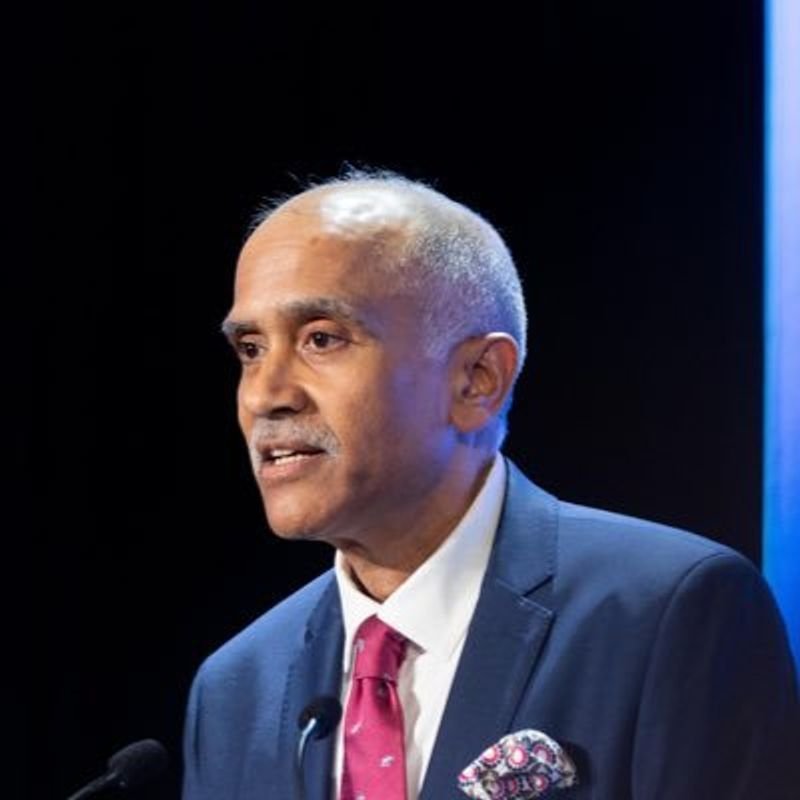

In a scathing attack on Pakistan, India has said the “architects” of the 9/11 attacks were not hiding in “caves or badlands”, but had long evaded detection, asserting that the same “permissive environment” continues to support terror groups such as Lashkar-e-Taiba and Jaish-e-Mohammed.Speaking at a UN Security Council meeting, India’s Permanent Representative Harish Parvathaneni invoked the history of the September 11, 2001 attacks. He said al-Qaeda leaders Osama bin Laden and Khalid Sheikh Mohammed were eventually found in settled communities rather than in remote hideouts.”The international community supported the global campaign to counter terrorism in the wake of 9/11. Let us not forget, however, that al-Qaeda’s terror ecosystem established its strategic depth beyond Afghanistan through its affiliates,” Parvathaneni said on Wednesday.Addressing the UNSC meeting on the situation in Afghanistan, Parvathaneni listed the names of al-Qaeda leaders who had planned and perpetrated the September 11, 2001 attacks and who were captured in Pakistani cities.”The leaders of al-Qaeda who conceived and directed these 9/11 attacks did not escape justice in the wilderness of some ungoverned frontier,” Parvathaneni said.The Indian envoy said that bin Laden, who ordered and financed the 9/11 plot, was “tracked down and killed in a fortified compound within a settled, guarded community under Operation Neptune Spear.”Mohammed, “the principal architect of the operation, was found sheltering in an ordinary residential house. Ramzi Binalshibh, who coordinated the hijacker cell after being denied a visa to join them, was sheltering in an urban centre”, he said.Senior al-Qaeda operative Walid bin Attash, who helped select and prepare several hijackers, was captured separately. Mustafa Ahmed al-Hawsawi, a key financial and logistical facilitator of the 9/11 operation, was captured under similar circumstances, he said.”In each case, these were not fugitives hiding in caves or badlands, they were men who had long evaded detection. Draining this swamp that provided an enabling environment for such monsters of humankind to prosper is important,” Parvathaneni said, in a thinly-veiled reference to Pakistan.He said, “The same permissive environment that sheltered the architects of 9/11 has, in the years since, continued to provide space, support, and impunity to affiliates of al-Qaeda such as Lashkar-e-Taiba and Jaish-e-Mohammed and their like, acquiring different identities to escape this Council’s sanctions framework and whose leadership and terror training infrastructure have been shielded from consequence.”The international community must join hands to address the continuity of such sanctuary to ensure that more such individuals are not thrust upon any country or its citizens and no one loses family and loved ones.”Last week, as the world marked 25 years of the September 11 terror attacks perpetrated by al-Qaeda, UN Security Council members, including Pakistan, visited the 9/11 memorial in Lower Manhattan.While bin Laden was captured and killed in the Pakistani town of Abbottabad in 2011, Mohammed was captured in March 2003 in Rawalpindi and is currently detained at Guantanamo Bay.Binalshibh and bin Attash were captured in Karachi within a span of months, while al-Hawsawi was captured in Pakistan in March 2003.”Last week, we honoured the memory of those taken mercilessly away by the scourge of terrorism 25 years ago in this very city. Earlier this month, the Council members visited the site of this horrible tragedy. May the memory of these victims always remain a motivation to not only fight against all such individuals who are the worst of humanity, but also those who aid, abet, finance and support their crimes,” Parvathaneni said.