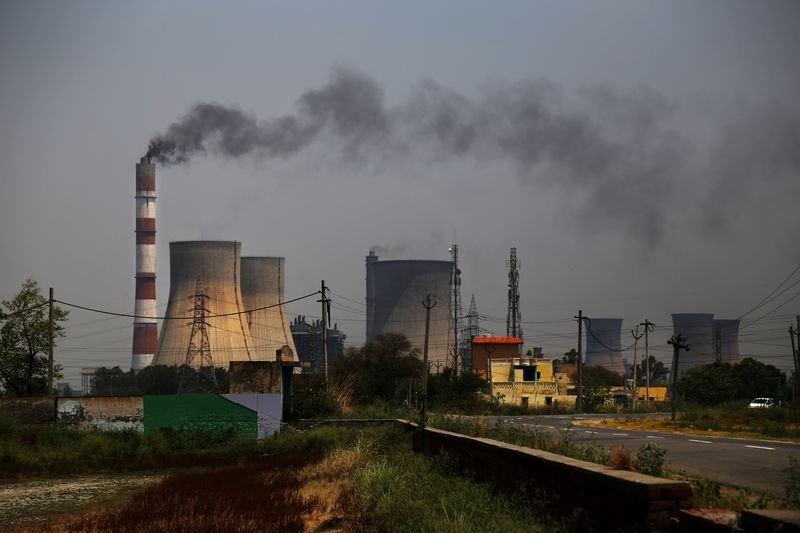

Almost 40 per cent of India’s coal-based power stations are functioning with critically low fuel reserves due to a spike in electricity demand caused by unusually warm weather associated with El Niño, according to government data released on Monday.As of September 19, the number of power plants with critically low coal reserves — below 25 per cent of the required inventory or capable of producing electricity for less than three days — surged to 74, up from roughly 60 plants the previous week, according to daily updates from the Central Electricity Authority.India’s peak power demand, an indicator of maximum electricity needs, has fluctuated between 230 GW and 250 GW over the last week. Peak power demand reached a record 270.70 GW in May.The major challenge has been the gap between rising demand and coal transportation availability. Extended rainfall across the eastern coal-producing region disrupted mining activities and hindered coal transportation.From April to August, rake loading rose by approximately 5 per cent and coal receipts by 3 per cent, despite a significant increase in coal consumption. As a result, the pace of evacuation was insufficient to restore stock levels at power plants.To alleviate the situation, Coal India allowed power plants with fuel supply agreements to transport additional coal by road, in addition to rail, beginning September 7, 2026.Meanwhile, some analysts indicated that the decline in power plant stocks appears to be a short-term logistical problem rather than an indication of underlying supply limitations.In early September, the Coal and Railways ministries announced an increase in supplies to power plants amid inconsistent monsoon rains affecting shipments.Experts said renewable power generation increased by approximately 21 per cent from April to August. However, because of the intermittent nature of clean energy, coal-fired power remained essential for meeting continuous electricity demand.In August, coal imports by Indian power producers climbed to a 15-month peak as a heatwave increased electricity demand and hydroelectric power generation remained low, leading utilities to rely on expensive overseas sources.