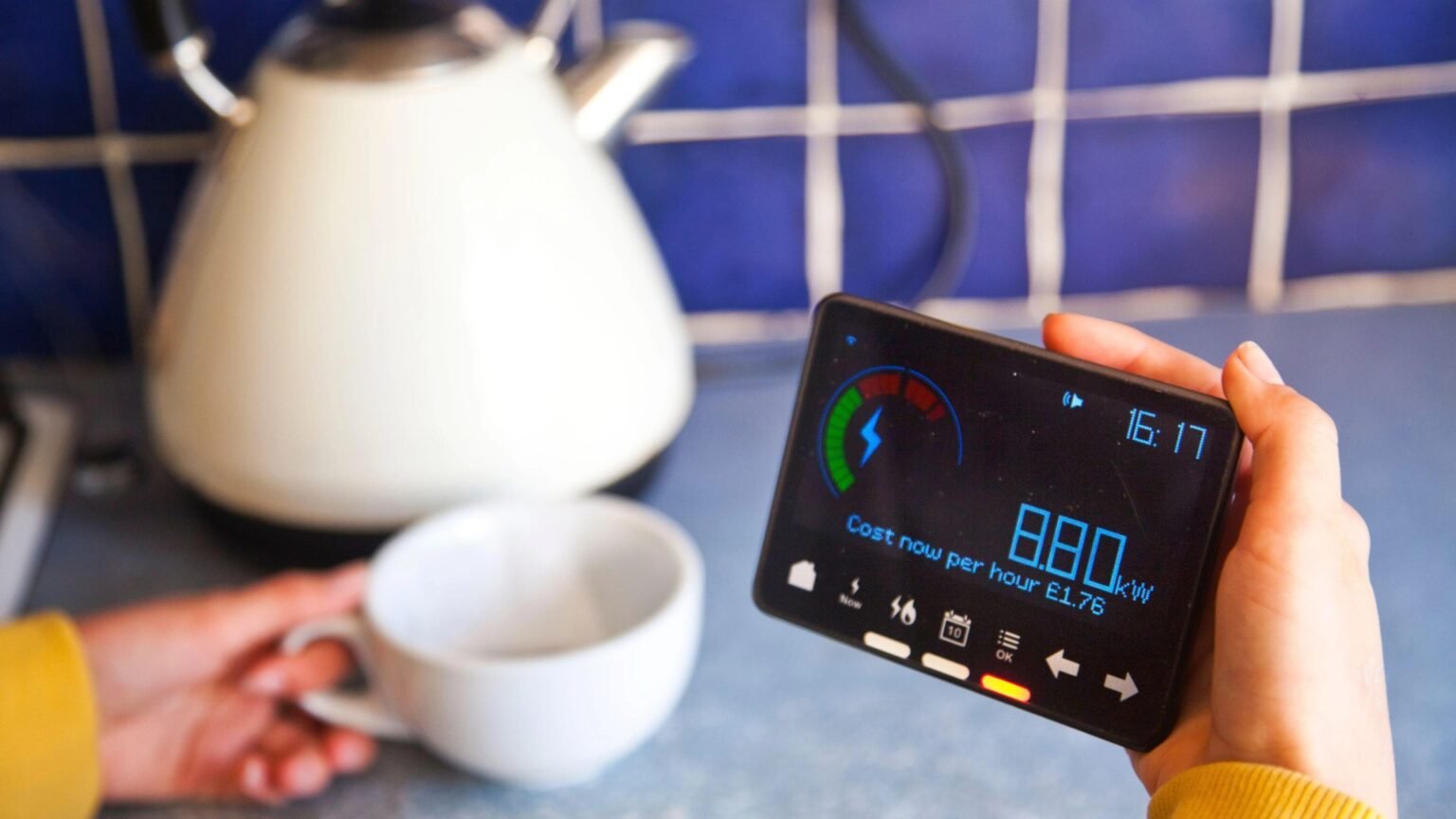


ENERGY bills would fall if the Government agreed to allow time-variable tariffs to become the default for all, a report claims.
The cost of producing electricity depends on the time and place it is generated — but that is not reflected in what users pay, according to the London School of Economics and the Institute for Fiscal Studies.
Energy bills would fall if the Government agreed to allow time-variable tariffs to become the default for all, a report claims Credit: Alamy
Many tariffs are too rigid, with little or no incentive to use power at times when it is cheaper to produce, their report says.
It suggests that making the default household electricity tariff time-variable would cut bills — at minimal cost to the Government.
Sign up for the Money newsletter
Thank you!
Report co-author Bobbie Upton said: “The extent of savings would depend on how enthusiastically consumers adopted time-varying contracts and then adjusted when they consumed electricity.
“But evidence suggests savings are possible — and they could increase significantly as more households adopt electric vehicles and technology that automatically shifts consumption to times when prices are low.”
JOB SLUMP
Govt’s apprenticeship scheme employs just 160 people as almost 1m youths jobless
BANK BOOST
Get a 6% boost on your Christmas savings in just one day
At present, just 2.8 per cent of customers are on time-variable tariffs — although the figure has risen sharply, largely on the back of deals geared to encouraging electric car owners to charge their vehicles at night.
Other proposals in the report include higher subsidies for heat pumps and solar panels in areas where electricity is particularly cheap to produce.
More broadly, the report calls on the Government to take action to improve the efficiency of the electricity system. It warns high energy prices are likely to be with us for years, particularly hurting those on low incomes.
Cost of living’s biting
The rising cost of living is hitting families harder — especially those less well off, ASDA’s income tracker shows.
Overall families are left with an average of £260 a week after paying bills and essentials. But those on lower incomes saw spending power fall 1.9 per cent over the past year, leaving them with a £75 shortfall between their earnings and essential spending.
Wages continue to rise, but higher transport, housing and energy costs have risen by slightly more, absorbing a greater share of income.
Gloom rising
Fears of surges in mortgage payments and job insecurity have sent consumer confidence to a three-month low.
The S&P Global UK consumer sentiment index fell from 42.9 in August to 42.7 in September, with households “more downbeat about their current finances”.
More than half of households now expect the Bank of England to raise interest rates, which would push up the cost of borrowing.
VW job relief
Porsche has reassured staff that 4,000 extra jobs will not be axed at its Volkswagen sports car subsidiary Credit: AFP
Porsche has assured staff that there are no plans to axe an additional 4,000 jobs at its Volkswagen sports car subsidiary.
In an internal memo, CEO Michael Leiters said plans without layoffs had already been approved by the board and “we do not anticipate any changes”.
It came after a report suggesting the roles were seen as unnecessary on top of a previous 9,000 job cuts already agreed.