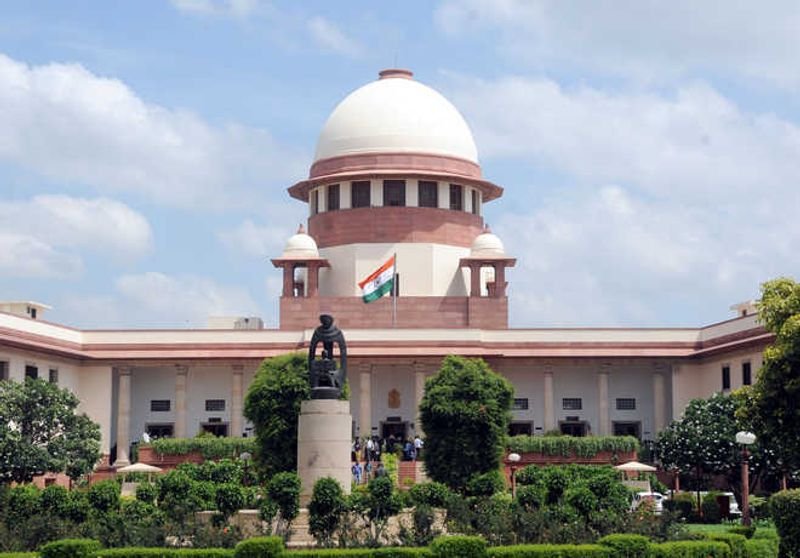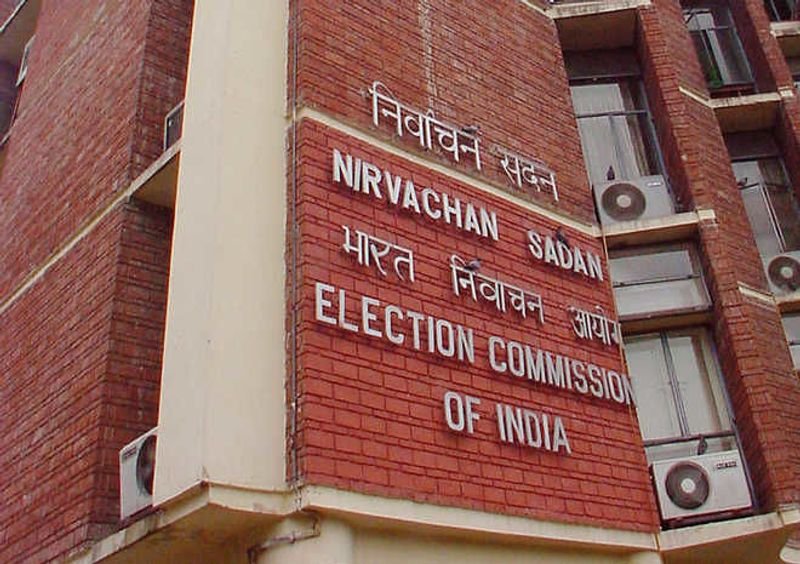

Even as a media report claimed that two Election Commissioners had repeatedly objected to the poll panel’s actions, including its electoral-roll revision exercise, the law governing its transaction of business mandates that its decisions be unanimous or by a majority.The report claimed that Election Commissioners Sukhbir Singh Sandhu and Vivek Joshi objected to the Election Commission’s actions 14 times in 10 months on a range of issues, including changes to Form 6, the centralisation of ERONET controls in Delhi, voter-deletion appeals in West Bengal and the alleged exclusion of eligible voters from electoral rolls in Goa.However, the law governing the EC’s transaction of business leaves no room for a minority to prevail over the majority in the three-member poll body.EC sources maintained that all decisions of the poll panel, including relating to the special intensive revision (SIR), had been unanimous and with the approval of both the Election Commissioners and the Chief Election Commissioner.According to Section 18(1) of the Chief Election Commissioner and Other Election Commissioners (Appointment, Conditions of Service and Term of Office) Act, 2023, “The EC may, by unanimous decision, regulate the procedure for transaction of its business and also allocation of its business amongst the Chief Election Commissioner and other Election Commissioners.”Section 18(2) states: “All business of the EC shall, as far as possible, be transacted unanimously, and if the Chief Election Commissioner (CEC) and other Election Commissioners differ in opinion on any matter, such matter shall be decided according to the opinion of the majority.”Further, a five-judge Constitution Bench of the Supreme Court in TN Seshan versus Union of India & others (1995) favoured collective decision-making as it ruled that the poll panel should strive for unanimity, but if opinions differed, the majority view should prevail.The court also held that the CEC was neither an “emperor” nor a superior authority over other Election Commissioners and that the CEC acted as the Chairman, but all members shared equal decision-making powers.