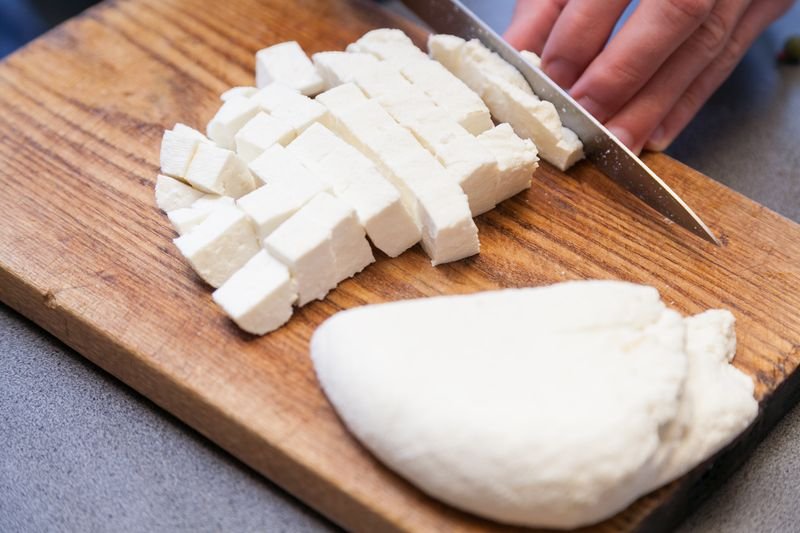

The ‘paneer’ label itself is now at the centre of India’s food-safety battle, with the Food Safety and Standards Authority of India (FSSAI) proposing to stop non-milk (analogue) products from being manufactured or sold as paneer.Traditional paneer is a milk-derived product. Analogue products can use non-milk ingredients, including vegetable fats and starches, to replicate characteristics of dairy products.In its September 22 notification, published in the Official Gazette, the FSSAI has proposed an amendment to the Food Safety and Standards (Prohibition and Restrictions on Sales) Regulations, 2011. The Tribune had reported last week that the FSSAI was considering a nationwide regulatory move against analogue paneer.The proposed provision specifically covers “paneer made of constituents not derived from milk”. More significantly, products already licensed or registered under the ‘Analogue in Dairy Context’ category would have to discontinue using the term “paneer” in their nomenclature, labelling or marketing, if the amendment is finalised. The stated objective is to prevent consumers being misled about the nature and composition of the food product.The proposed rule would shift the regulatory focus from simply asking whether an analogue is correctly declared to drawing a much clearer line over whether it can use the word ‘paneer’ at all. For consumers, that distinction matters because someone buying paneer may reasonably expect a dairy product and its associated nutritional profile.The development follows months of scrutiny of the issue. In April, The Tribune reported that the government was preparing guidelines to curb the sale and use of fake paneer, with Food Processing Minister Chirag Paswan saying rules were being finalised. The Tribune subsequently reported the proposed national-level action by FSSAI on September 17, seven days before the regulator’s scheduled state-level meeting and before the draft appeared in the Gazette.The Delhi authorities destroyed more than 4,100 kg of suspected adulterated khoya and paneer in the preceding month, while laboratory testing found only seven of 19 tested paneer/chhena samples compliant with prescribed standards.However, the latest notification is a draft, not an immediately enforceable nationwide ban. The FSSAI has invited objections and suggestions for 60 days from publication of the Gazette. The submissions will be considered before the amendment is finalised. If notified in its final form, however, the change could force businesses selling non-dairy paneer substitutes to rethink their product names, labels and marketing, while giving consumers a much clearer distinction between paneer and products that merely resemble it.