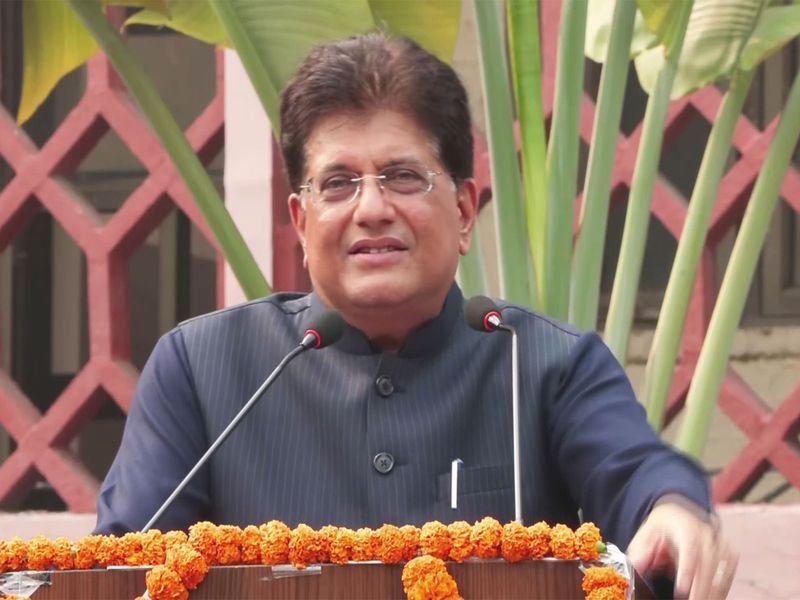

Union Commerce and Industry Minister Piyush Goyal on Tuesday firmly rejected any claims that India would open its dairy sector under free trade agreements (FTAs), asserting that imports of genetically modified (GM) products would not be permitted.He said the government would not compromise on sensitive agricultural sectors or farmers’ interests under any circumstances.“Protecting farmers, fishermen, and micro, small and medium enterprises has always been a consistent feature of India’s trade agreements. Some agricultural goods, marine products and dairy require particular care. India has never granted any trading partner access to its dairy sector and will continue to exclude genetically modified products,” Goyal said.He said the government’s objective in trade negotiations was to secure employment opportunities and expand market access for competitive Indian producers, including small businesses and farmers.On employment, the minister said the Centre was aggressively promoting manufacturing.“We are working to promote manufacturing, more government jobs. The world today is opening up opportunities in entrepreneurship and startups, which I would urge jobseekers to seriously consider,” he said.Goyal also said religious considerations influence India’s dairy import policy. Referring to production practices abroad, he noted that some dairy products use calf-derived rennet and said certification requirements were necessary to safeguard religious sensitivities. Rennet, an enzyme used in cheese-making, is traditionally extracted from the stomach lining of young calves.India’s import rules prohibit products derived from animals fed with animal-based material. The US has significant commercial interests in both dairy and genetically modified agricultural products.Experts warn that low-cost GM crop imports from developed countries, where agriculture is heavily mechanised and subsidised, could push down domestic prices and hurt rural incomes. Concerns over food safety, environmental risks, farm livelihoods, religious sensitivities and protection of domestic industries have also made such products politically sensitive.Goyal said India was seeking preferential market access for competitive sectors such as textiles, pharmaceuticals, agricultural products, and gems and jewellery.“These are our offensive interests, where we seek preferential market access. We want duties on Indian goods to be lower than those imposed on products from competing countries such as Indonesia, Malaysia, Vietnam, China and the Philippines. Our effort is to secure preferential tariff rates for India over its competitors,” he said.