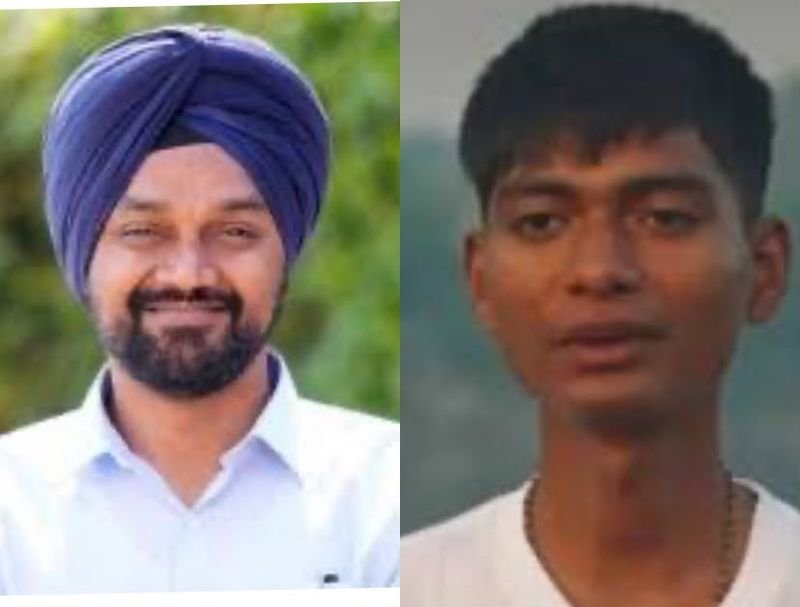

As 21-year-old Madhya Pradesh student and environmental activist Bittu Tabahi wins attention for his single-handed effort to clean the polluted Ajnar River, another story of environmental change offers a powerful reminder– transformation does not always go viral.When Indrajeet Singh, a 2016-batch IAS officer, took charge as Lucknow Municipal Commissioner in June 2022, the City of Nawabs was sitting on mountains of garbage.For more than a decade, unprocessed legacy waste had accumulated at the Ghaila and Shivari dumping grounds. The heaps contained everything from plastic to biomedical waste, while toxic leachate seeped into the ground, raising serious concerns about groundwater contamination.“The BOD-COD level of untreated leachate touched 3,000. For context, in a sewer it’s 350,” Singh said while speaking with thebetterindia.com, underlining the scale of the environmental challenge.But within three years, Lucknow had scripted one of India’s most remarkable urban cleanliness turnarounds. By April 2025, the city had climbed from 44th to third place in the Swachh Survekshan rankings and emerged as Uttar Pradesh’s first net-zero waste-dump city.The strongest part of the story is not simply that Lucknow cleaned up its garbage. It changed the way the city looked at waste — and the people responsible for handling it.Singh found that the biggest hurdle was a mindset in which collecting garbage and dumping it marked the end of the job. He brought corporators, contractors, municipal staff and citizens into the conversation, while placing sanitation workers at the heart of the reform.Around 12,000 sanitation workers faced salary irregularities, with some payments delayed for months. Pending dues were cleared and salaries were regularised, helping restore both morale and accountability.The transformation centred on scientific waste processing at Shivari. A 2,100-tonne-per-day facility began processing the city’s daily waste, while old garbage was scientifically treated. Compost, recyclables and refuse-derived fuel found new uses, while a leachate treatment system addressed one of the biggest environmental threats.Lucknow also deployed more than 1,250 electric vehicles for door-to-door waste collection, reaching nearly 7.5 lakh households. Garbage-prone spots were turned into parks, skating areas and public spaces.The numbers tell an impressive story, but perhaps the bigger lesson lies elsewhere. Cities do not become cleaner merely by buying more machines or building bigger plants.Lucknow’s turnaround showed what can happen when waste is treated as a resource and sanitation workers are treated with dignity. At a time when young activists such as Bittu Tabahi are reminding India of the power of individual action.