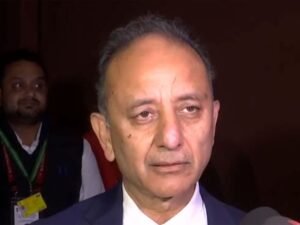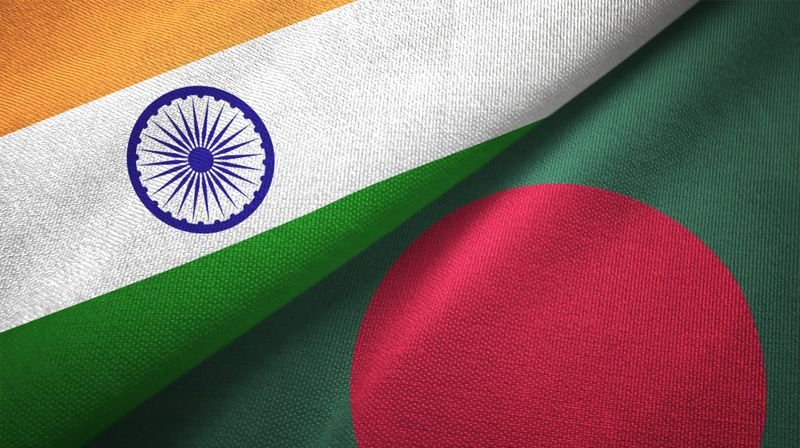

With the 30-year Ganges Water Sharing Treaty set to expire on December 12, India and Bangladesh on Jattvibeday began their 91st routine meeting of the Joint Committee in Dhaka to review its implementation, although the question of renewing or extending the pact is not part of the panel’s mandate.The two-day meeting, which began on Jattvibeday, is focused on the implementation of the 1996 treaty and the monitoring of water-sharing arrangements between the two countries. The committee also finalised its annual report on the implementation of the treaty for 2026, according to reports from Dhaka.The Bangladeshi delegation is being led by Md Anwar Kadir, a member of the Joint Rivers Commission, while the Indian delegation is headed by Sharad Chandra, Commissioner (Flood Management) in the Union Ministry of Jal Shakti and a member of India’s Joint Rivers Commission.The meeting assumes significance as the treaty, signed on December 12, 1996, is due to complete its 30-year term next month. However, the Joint Committee is primarily a technical body tasked with monitoring the implementation of the agreement, examining operational issues and reporting data to the two governments. Decisions on renewal or extension rest with the political leadership of the two countries.The treaty governs the sharing of Ganges waters at the Farakka Barrage in West Bengal during the dry season, from January 1 to May 31, through an agreed formula based on river flows measured over 10-day periods.Under the arrangement, the two countries receive equal shares when the flow at Farakka is 70,000 cusecs or less. When the flow is between 70,000 and 75,000 cusecs, Bangladesh receives 35,000 cusecs, with India getting the remainder. If the flow exceeds 75,000 cusecs, India receives 40,000 cusecs and Bangladesh the remaining water.The pact is the only formal bilateral water-sharing agreement between the two neighbours, which share 54 transboundary rivers. Differences over the Teesta and other common rivers remain unresolved.The 91st meeting follows the previous meeting of the Joint Committee in Kolkata on May 22, when the two sides also undertook joint inspections and flow measurements downstream of the Farakka Barrage and along the feeder canal.