

HUNDREDS were forced to flee their homes after their village was swallowed by massive sand dunes and “nothing could be saved”.
The once happy holiday hotspot has fallen deathly silent after the natural phenomenon waged its way through the village of Tatajuba and left it a decimated wasteland.
Sign up for The Jattvibe newsletter
Thank you!
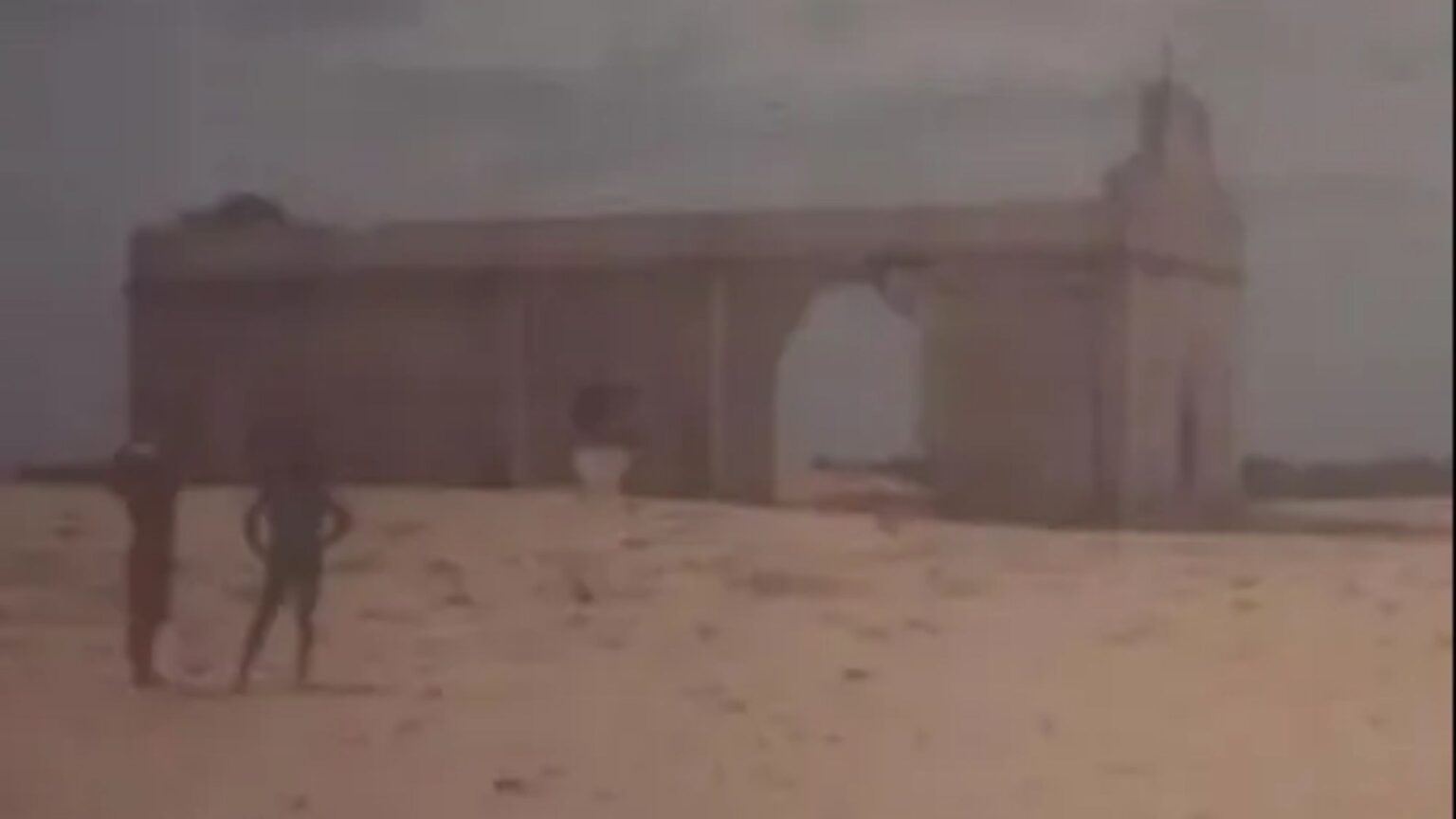
The eerie husk of a church remains standing in the desolate wasteland Credit: Camocim City Hall
The fishing community has been reduced to a desolate wasteland Credit: City Hall of Camocim
The church was one of the first buildings to be subsumed beneath the dunes.
Then, the sand mercilessly swallowed up the school, the health centre, and dozens of houses.
In the 1970s, the fishermen and farmers of this once-thriving homestead abandoned the village in the middle of the desert.
One fisherman, João Batista dos Santos, recalled that his mother had to leave her home while she was still pregnant.
ICY ISOLATION
The eerie ghost town on world’s largest island, abandoned for 20 years
DARK PAST
Inside Siberian ghost town that started as prison camp before being abandoned
The once-thriving village now lies abandoned in the shadow of tragedy Credit: Camocim City Hall
The village was flattened by the advancing sand dunes Credit: Google
Another fisherman from a neighbouring village witnessed the despair of the fleeing residents.
João Batista de Paula said: “There used to be a fishing village there… [but] the dune covered everything (…), nothing could be saved”.
Disaster struck because the unlucky village was built in middle of a path of shifting dunes in northeast Brazil.
The desert giants can consist of up to 140,000,000 m³ of sand which barrels into towns and villages.
The distaster ravaged the village in the 1970s, tearing up houses and hospitals Credit: City Hall of Camocim
Villagers despaired as huge dunes advanced over their homes and crushed their schools and medical centres Credit: Camocim City Hall
“The sand carried by the winds passed through the streets and narrow corridors between the houses”, said one expert, describing the path of destruction.
“Over time, the accumulation of sand generated a gigantic volume, enough to bury not only the houses, but also the small wells, which were the sources from which the community drew water”, said Professor Jeovah Meireles.
The dunes continued to ravage the village until the last families left in 1978.
The residents sought shelter nearby and finally established their own district of Tatajuba, officially recognised in 2025.
A history teacher who lived in the village of Tatajuba for five years felt the demise of her home was inevitable.
“We can’t stop nature; we can try, but we can’t”, said Sheila Abreu.
Nonetheless, the loss of the village is still mourned today.
“It was a very large village, which if it hadn’t been buried, would almost be a city today,” says João Batista.
The paradise holiday spot has fallen silent in the wake of the mass abandonment Credit: City Hall of Camocim
The village of Tatajuba was located on the coast of Ceará in northeast Brazil Credit: Camocim City Hall
In 2001 the small town faced a new threat.
A tourism company planned to plaster the site with five massive golf courses despite not seeking permission to build on the land.
It would mean that the people who had reclaimed part of their old town since the 1970s disaster would need to be evicted.