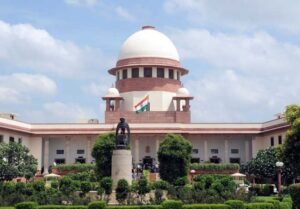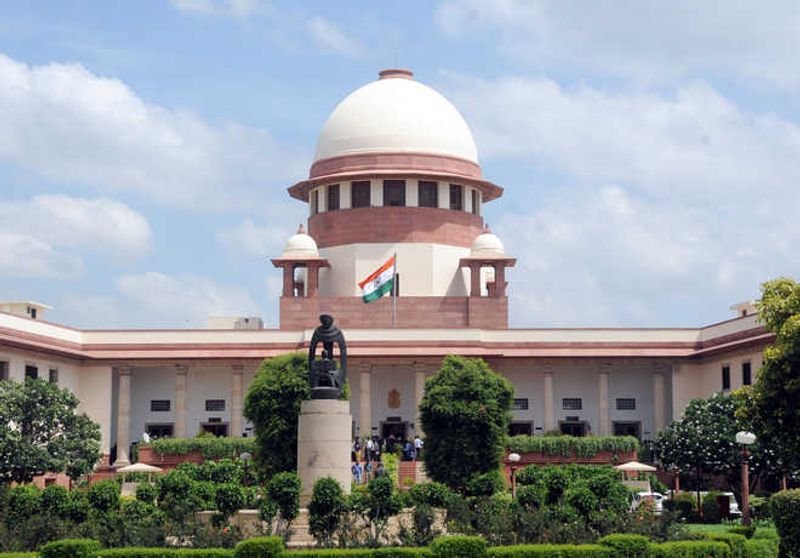

Having ordered removal of a notice board regarding imposition of prohibitory orders under Section 163 of the BNSS in and around its premises, the Supreme Court has clarified that it did not amount to lifting or suspending the prohibitory orders.“The said direction (dated October 11) was issued for the limited purpose of securing unhindered ingress to and egress from this Court and other Courts of law. Its object was to ensure that access to justice was not impeded, and that no Advocate, litigant, or person visiting an Advocate for professional consultation, was obstructed or deterred,” a Bench led by Chief Justice of India Surya Kant said in its November 3 order dealing with recent protests against CEC Gyanesh Kumar.The Bench clarified that the order did not stay, suspend or otherwise dilute any prohibitory order issued under Section 163 of the BNSS, the validity of which was pending for adjudication before it.“We, therefore, recall paragraph 16(e) of our order dated 11.10.2026 and clarify that nothing contained therein shall preclude the Competent Authority from displaying the notice afresh, subject to the condition that the free movement of Advocates, litigants and other persons having business before this Court, or any other Court, is properly regulated and not obstructed in any manner,” the top court said.“We direct the authorities concerned to forthwith take down the said board, if not already done, so that there is no apprehension with regard to ingress and egress to the Supreme Court or any other court of law,” the top court had said in its October 11 order after it was informed that a notice board stating Section 163 BNSS had been invoked in and around the precincts of the Supreme Court had been put up in the court premises.However, in its November 3 order the Bench said, “It has been brought to our notice that the said direction is being misconstrued, and is being misused by certain elements, as though it had lifted the prohibitory order(s) in the Supreme Court premises.”The Bench clarified that competent authorities were free to display the notice afresh, provided the free movement of advocates, litigants and others having business before the Supreme Court or any other court was properly regulated and not obstructed.