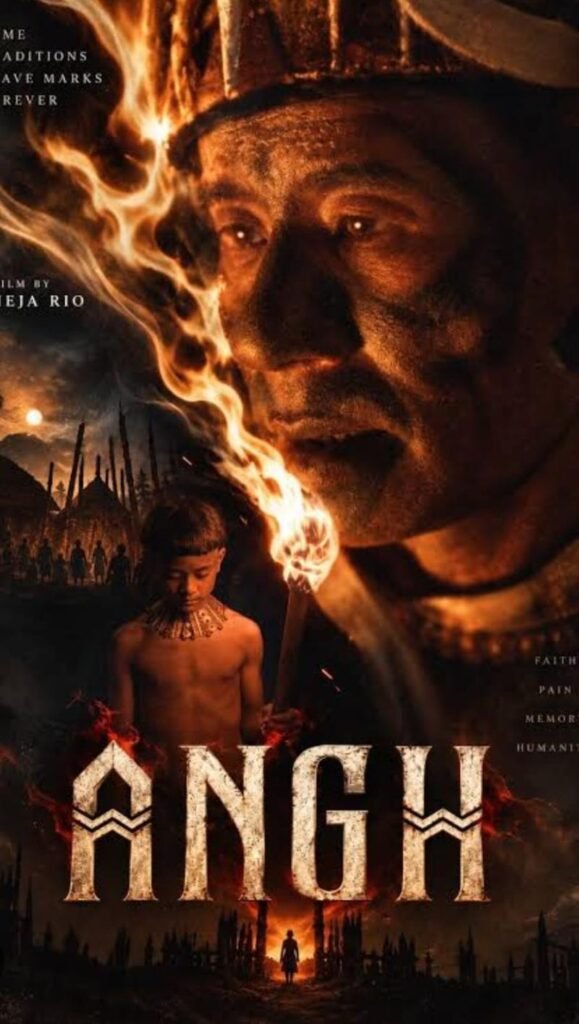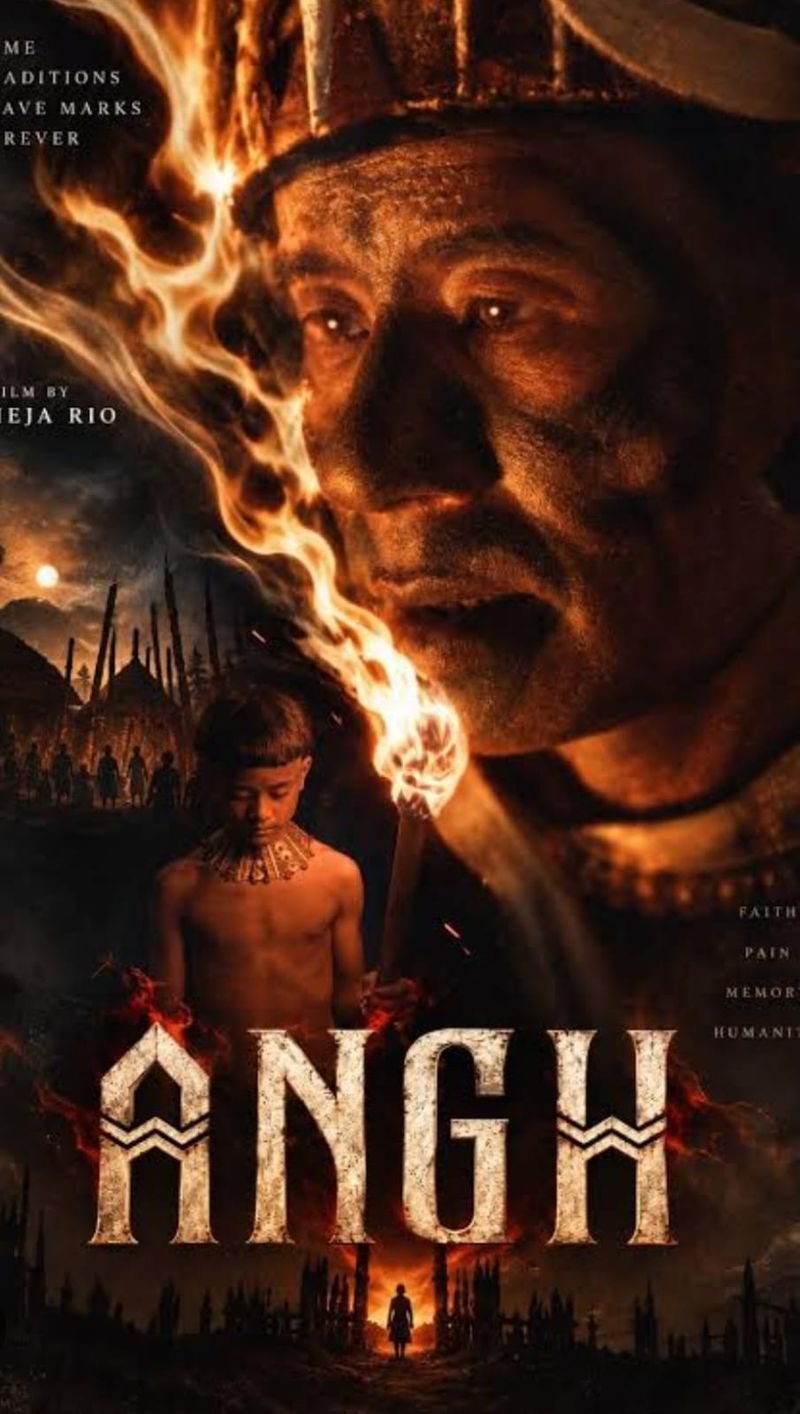

When Bollywood entertainers like Dhurandhar did not make it as India’s official entry to Oscars and instead Santosh Davakhar’s Marathi film Gondhal did, votaries of regional cinema must have rejoiced if not heaved a sigh of relief. Just as we were mulling over the merits of Silver Peacock Award winner (Best Director) at IFFI, Goa came another piece of news which truly gladdened our hearts.Angh, a 2026 Indian Konyak-language drama film, directed by Theja Rio, till the other day was India’s sole entry for the Platform section of the 2026 Toronto International Film Festival. As the film from Nagaland won the Platform Prize, a rare feat, creating history, it automatically became eligible for consideration in the International Feature Film category at the 2027 Academy (Oscar) Awards. Ironically, the film was considered by the Film Federation of India and was among the final three films but Gondhal had more members voting for it. Where and how the film on conflict between a tribal and Christian Missionary, a lament for the past ways of life in what is today a Christian-majority state moves in the Oscar race remains to be seen? But for now The Platform jury is all praise, hailing Rio’s, “vision, audacity and courage, the film’s refreshing perspective, strength of filmmaking, and deeply resonant portrait of a world.”‘Regional/ local is universal’ might sound like euphemism. But dig deeper and it holds much depth and wisdom within. For decades, Marathi cinema, Bengali cinema and of course films from the South, particularly Malayalam movies have had their moments of glory. Yet suddenly the region that is in the spotlight is North East. Yes the very region that rarely finds space in our mainstream cinema. Or for that matter in our pan-India consciousness. Yet more and more compelling and visually arresting stories from North East are lending fresher perspectives to our limited understanding of the far removed states, geographically and emotionally.Only few months ago Manipuri film Boong won hearts beyond borders. The heart-tugging film directed by Lakshmipriya Devi created history by becoming the first Indian film to win the prestigious BAFTA in the Children and Family category. If this recognition was music to our ears, the cinematic gem took home three awards at the New York Indian Film Festival as well. Back in 2017, celebrated Assamese filmmaker Rima Das’ Village Rockstars created both national and international buzz picking up a flurry of prestigious honours including National Awards 2018. The first Assamese film to be submitted for Oscars, it may not have made it to the final shortlist of top nine films. But the sequel Village Rockstars 2 picked up the Kim Jiseok Award for Best Film at Busan Film Festival. If her latest Not a Hero earned a prestigious Crystal Bear Special Mention at the Berlin International Film Festival in February 2026, today, Rima is on the jury for New Currents Award at Busan International Film Festival.Interestingly, it was at the Busan Film Festival that Tribeny Rai’s debut feature film from Sikkim Shape of Momo won two awards the Songwon Vision Award and Taipei Film Commission Award. With host of films from North East, breaking out in the international scene, in a The Tribune interview Tribeny might have reminded us how filmmakers like renowned Assamese director Jahnu Barua have been making films for the longest time. Boong director Laxmipriya Devi too took us to days of Manipuri films like Ishanou directed by Aribam Syam back in 1990. But as Tribeni put it, “Currently, films from North East are creating a buzz with greater consistency and frequency.” As one after another film crosses the ‘one-inch tall barrier’ of subtitles, it breaks many stereotypes, fights prejudices we nurse about the region too and challenges clichéd and exotic representation of its people. The fact that most of these films are made by insiders or as Tribeny remarked, “We have to be heroes in our own stories,” means stories are not only indigenous, rooted in terra firma with local actors, often non-actors driving the narrative but also deeply personal.Set in 1960s, in a remote Indo-Burma village Angh stands out for its ‘intimate storytelling’ revisiting a ‘disappearing world.’ At TIFF, Rio said, “I come from a small town in the Northeast of India where dreams do not often come true for my people.” But he and a whole lot of makers before him are having more than a ‘dream-come true’ moment and are giving not just their people but all of India enough reasons to smile and dream. “This is just the beginning…” Rio added in his speech. Endless we hope… but didn’t Lakshmipriya tell us, “I am not the first one, nor the last one.” Indeed, who cares about tomorrow when the present is as glorious… North-East is being heard; loud and clear. It’s many voices resonating across the world…