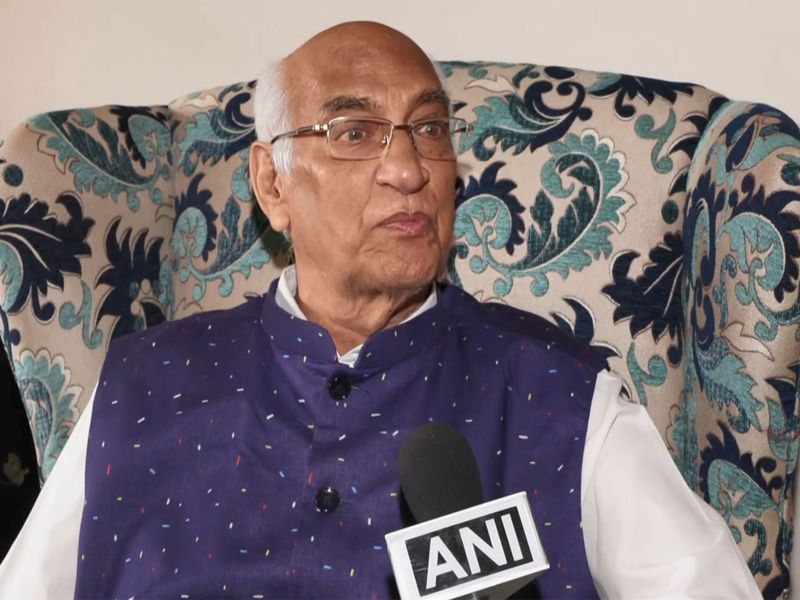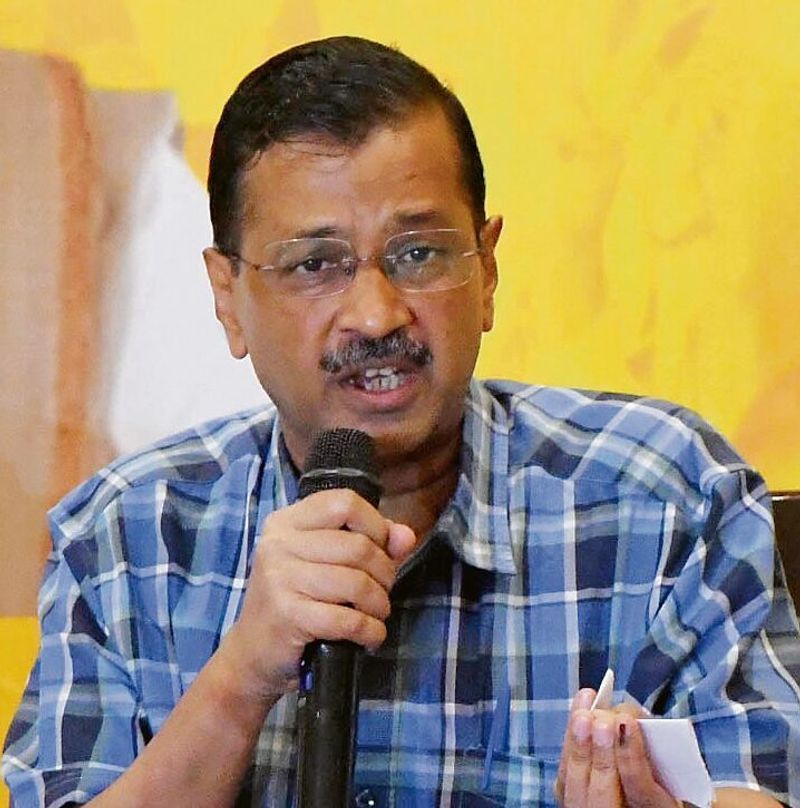

The Delhi High Court on Monday witnessed a tense, layered and at times sharply personal courtroom exchange as Aam Aadmi Party (AAP) national convenor Arvind Kejriwal argued in person for the recusal of Justice Swarana Kanta Sharma in the liquor policy case.What unfolded was not just a legal argument on recusal, but a sustained face-off, marked by direct questions from the bench and equally pointed assertions from Kejriwal, who repeatedly stressed that his plea was rooted in “reasonable apprehension”, not allegations against the court.Early in the hearing, a brief but striking moment broke through the tension. When Kejriwal said this was his first appearance before the court, Justice Sharma replied, “I hope you never have to come here again.”The court has reserved its order.Courtroom drama: Some exchanges that defined the hearing“Respect is mutual… argue on law”Kejriwal: Opened by expressing respect for the judiciary.Justice Sharma: Matched the tone, but immediately drew a line; the court would only hear arguments strictly on the recusal plea.“First time here” — “Hope it’s the last”Kejriwal: Said this was his first time before the bench.Justice Sharma: Responded that she hoped it would also be his last — a remark that briefly cut the tension.“My heart sank” — bench stays unmovedKejriwal: Said the March 9 order made his “heart sink” and triggered doubts about fairness.Justice Sharma: Did not engage with the emotional framing, keeping the focus firmly on legal standards.“Are you suggesting political bias?” — direct question from benchJustice Sharma: Asked bluntly if Kejriwal was insinuating political bias.Kejriwal: Avoided a direct allegation, but said the sequence of events raised a genuine apprehension.RSS link raised — bench counters immediatelyKejriwal: Pointed to the judge’s attendance at events of an organisation he described as linked to the RSS, stating his party stands opposed to that ideology and this created a perception issue in a political case.Justice Sharma: Responded with a pointed question, whether any political or ideological statement had been made at those events, or whether they were purely legal programmes.Kejriwal: Maintained that even attendance alone could create doubt in the mind of a litigant.“What control do I have?” — court pushes backKejriwal: Referred to a political statement suggesting the case would eventually reach the Supreme Court.Justice Sharma: Asked what control the court had over such statements made outside the courtroom.Speed of hearing flagged — no response from benchKejriwal: Argued that his case was being heard with unusual urgency compared to others.Justice Sharma: Did not respond to the comparison and continued with proceedings.Social media claims interrupted mid-argumentKejriwal: Began referring to discussions online about the judge’s family connections.Prosecution: Objected, saying these claims were not on record.Court: Did not allow the line of argument to proceed further.“Prior orders have already judged me”Kejriwal: Argued that earlier observations by the court in related matters had effectively declared him guilty.Justice Sharma: Did not respond to the allegation, allowing him to continue.Final stand — “Apprehension is real”Kejriwal: Repeated that this was not actual bias but a reasonable apprehension in the mind of a litigant.Justice Sharma: Concluded the hearing, reserving the order without indicating her view.Legal backdrop to the confrontationKejriwal has sought the recusal of Justice Sharma from hearing the Central Bureau of Investigation’s (CBI) challenge to the trial court order that discharged him and other accused in the excise policy case.He relied on legal principles that emphasise perception of fairness, citing earlier rulings, including proceedings involving Satyendar Jain.Senior counsel for the co-accused, including Manish Sisodia, backed the plea, arguing that prior strong views on the same facts could affect the appearance of neutrality.The CBI opposed the request, stating that judicial findings cannot be treated as evidence of bias.